Iraq Energy Conference 2025
28 - 29 January 2025 | Babylon Rotana Hotel | Baghdad, Iraq
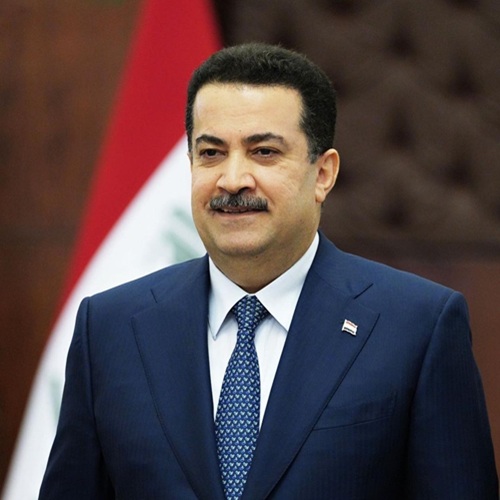
Mohammed Shia' Al-Sudani
Iraqi Prime Minister
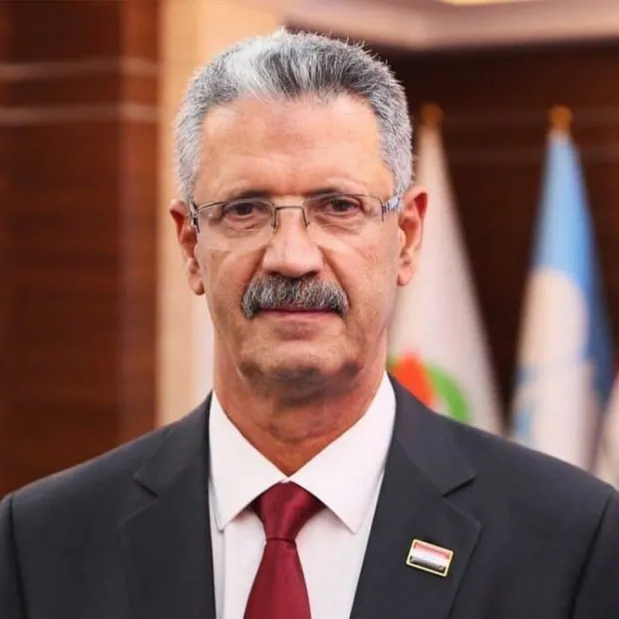
Hayyan Abdul Ghani
Iraqi Minister of Oil
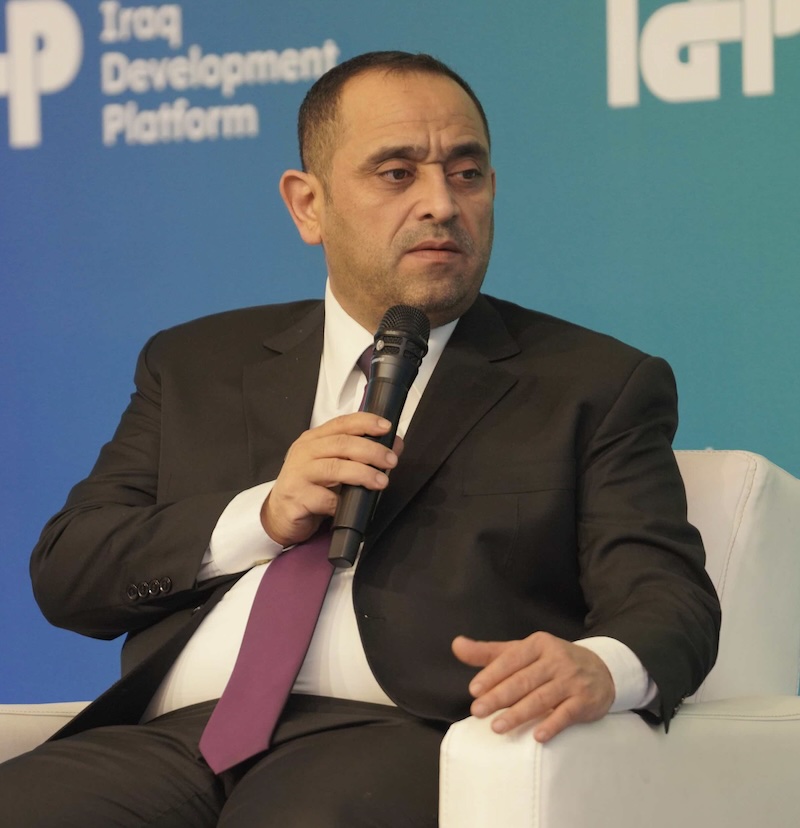
Ziad Ali Fadhil
Former Iraqi Minister of Electricity
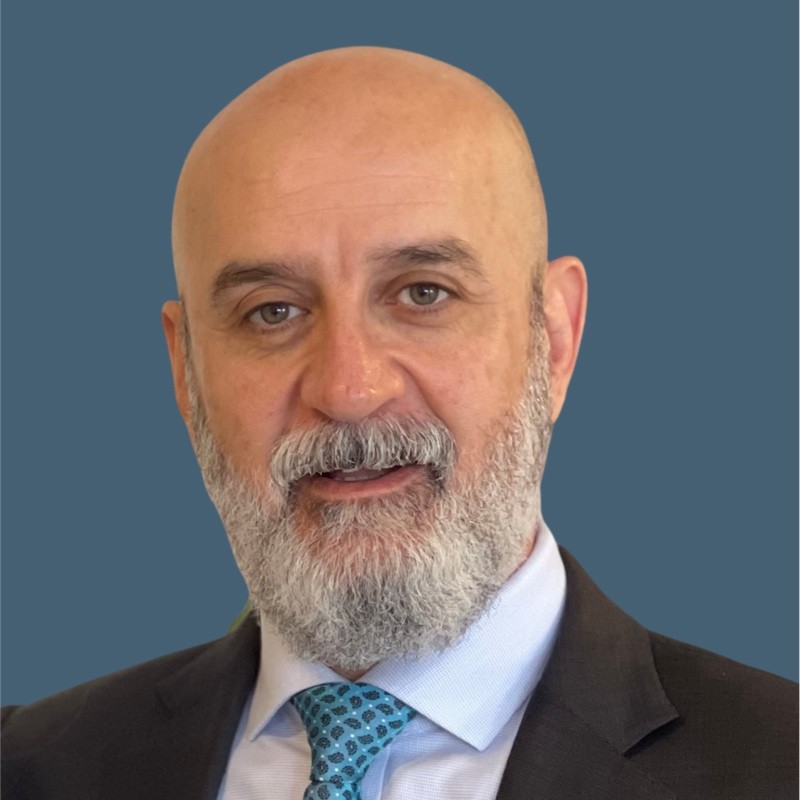
Hallo Askari
Iraqi Minister of Environment
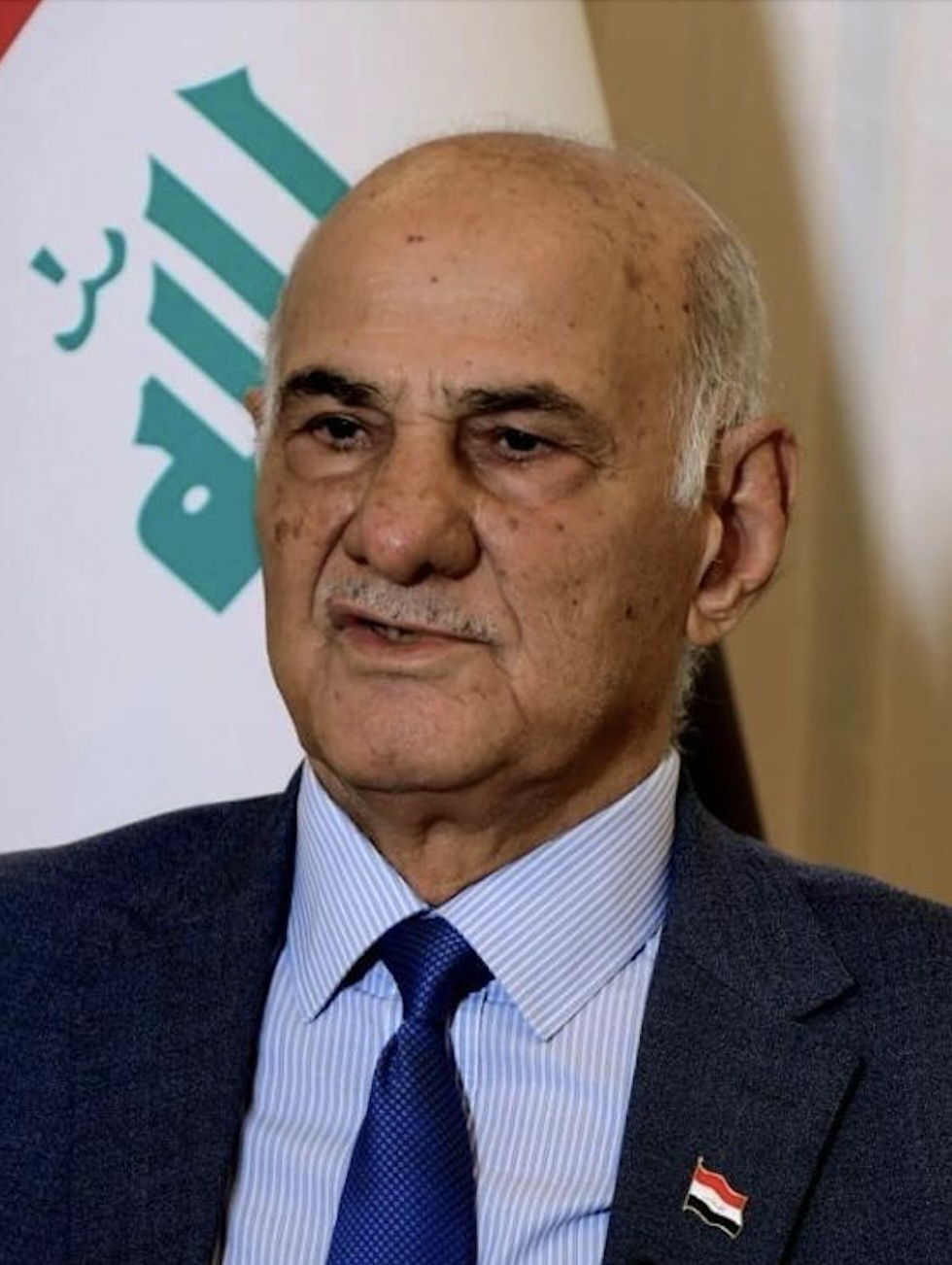
Aoun Diab
Iraqi Minister of Water Resources
Mohammed Al Hassan
UN Special Representative in Iraq
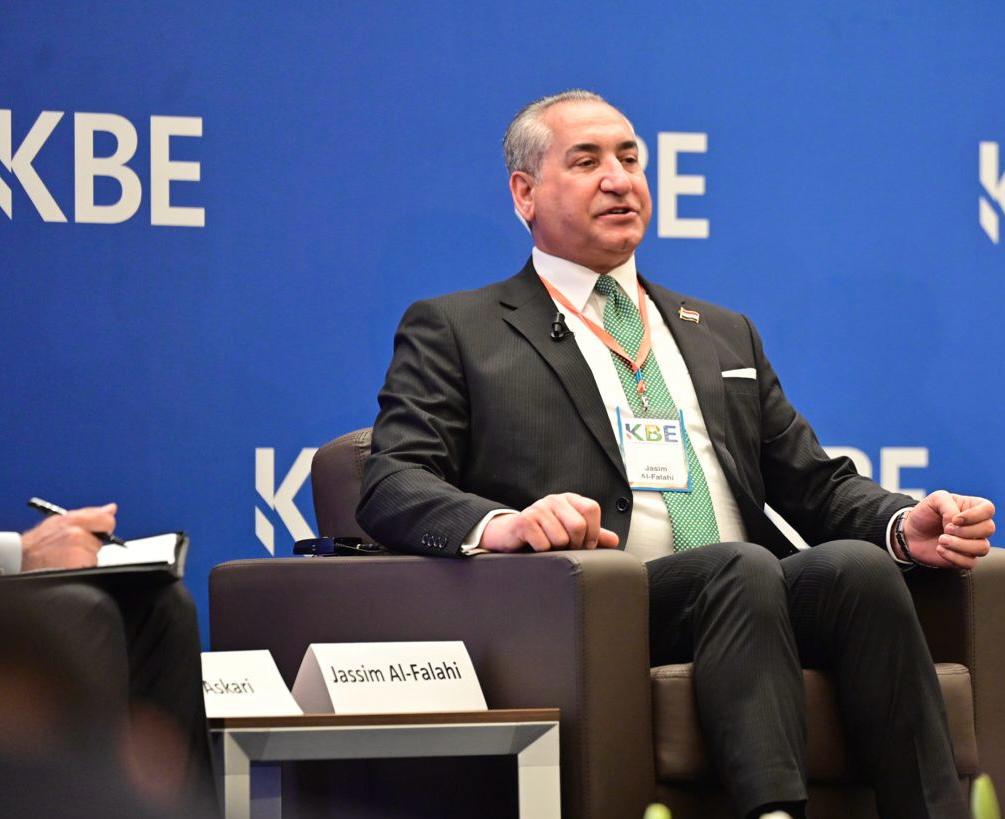
Jasim Al-Falahi
Deputy Minister of Environment
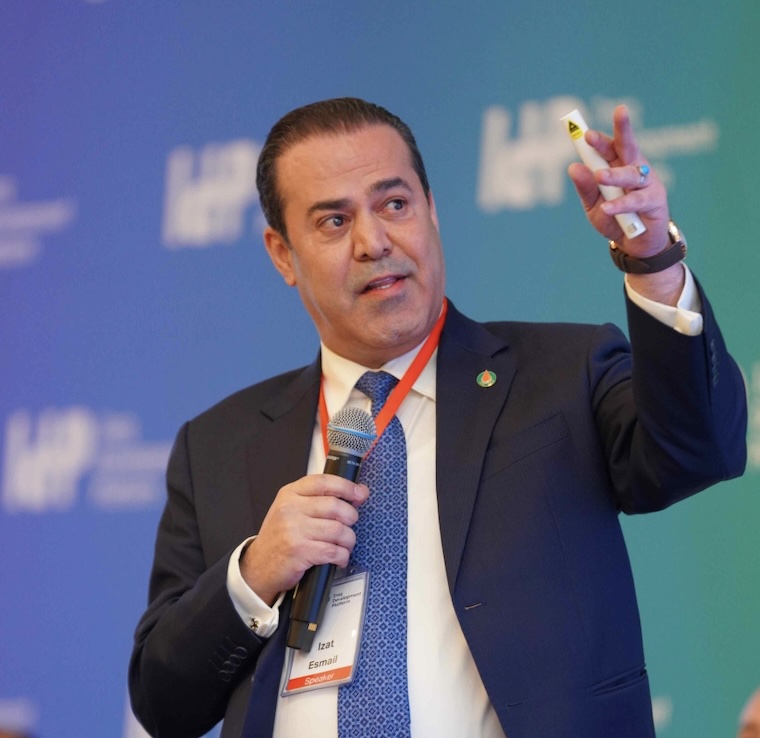
Ezat Esmaeel
Deputy Oil Minister For Gas Affairs
Ali M. Al Bahadly
Deputy Minister of Oil
Adel K. Ahmed
Iraqi PM Advisor for Electricity
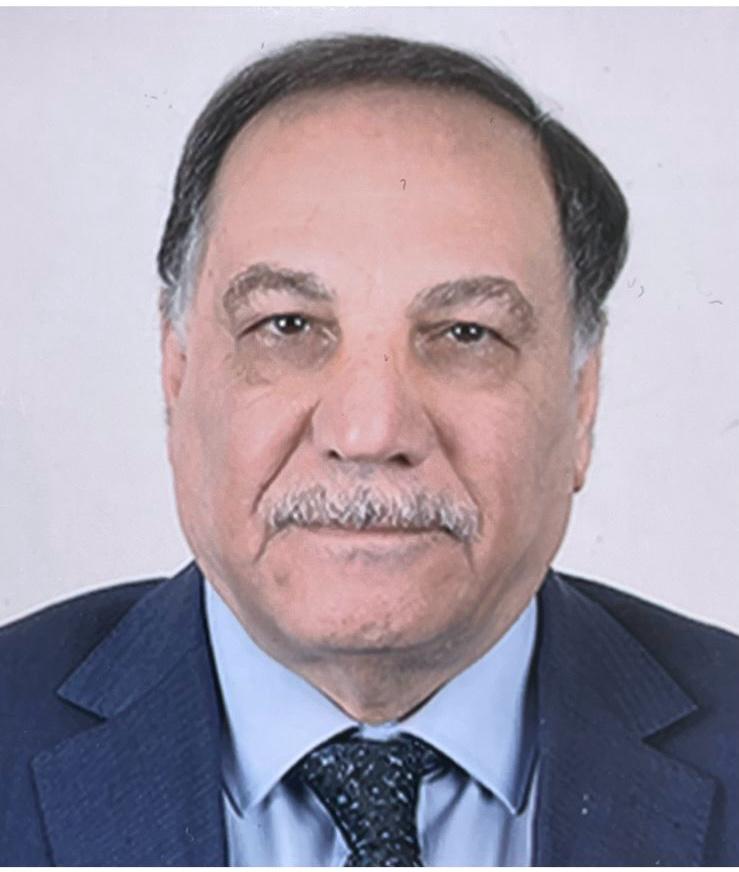
Falah Alamri
Iraqi PM Advisor
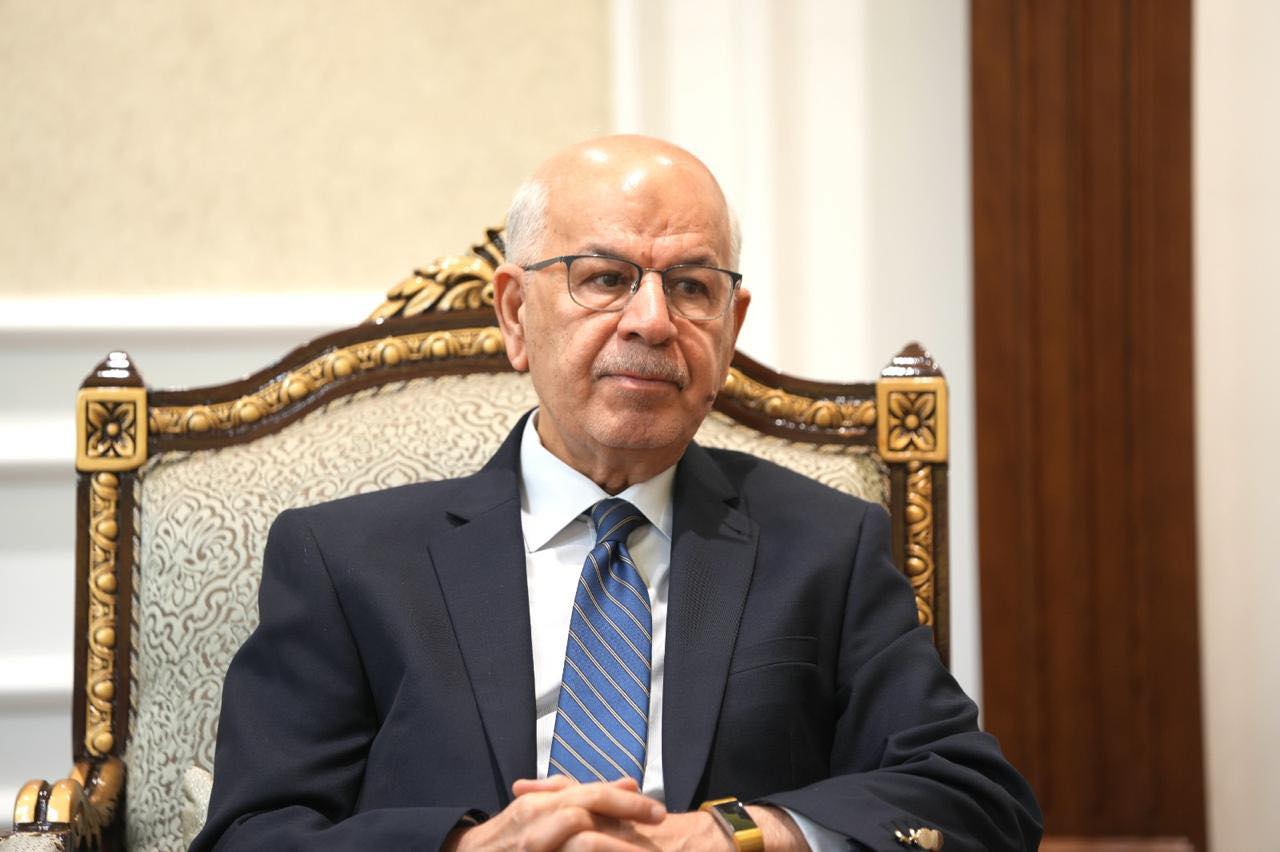
Hamid Kh. Ahmed
Iraqi PM Advisor for HE
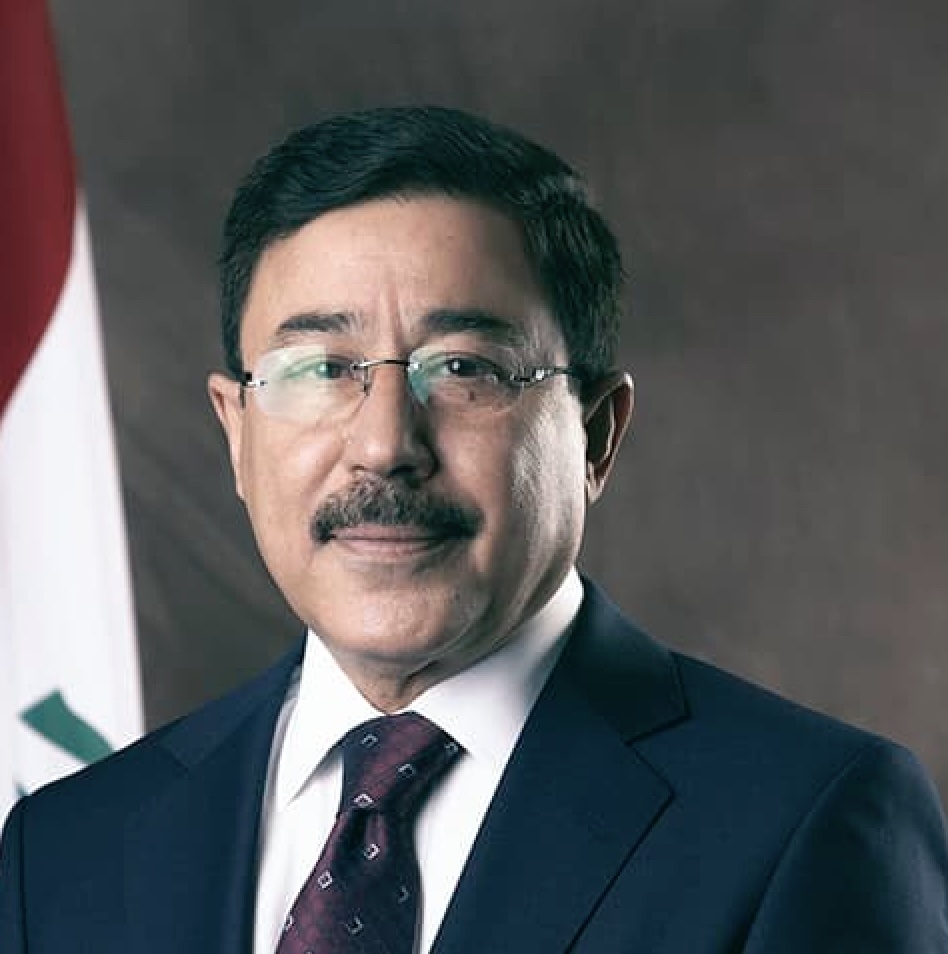
Ali Al Alaq
Governor of Central Bank Iraq (CBI)
Naser Al-Asadi
Iraqi PM Advisor for Transport
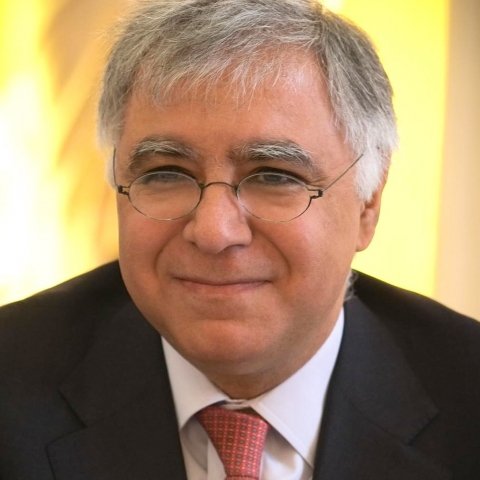
Fareed Yassin
Former Iraqi Envoy for Climate Change

Zaid Elyaseri
President،
BP Iraq and Qatar
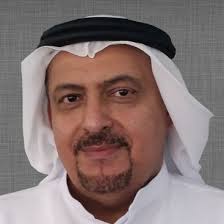
Abdulla Al Qadi
Country Director,
Crescent Petroleum

Ahmed Mufti
Deputy Minister of Natural Resources KRG
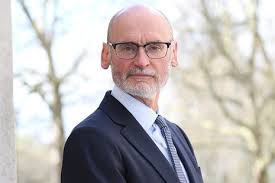
Stephen Hitchen
British Ambassador to Iraq
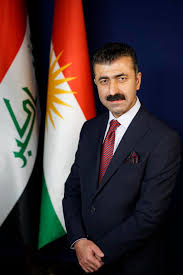
Dana A. Hamasalih
Minister of Housing and Reconstruction
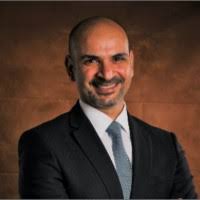
Rasheed Al Janabi
Country Manager,
GE VERNOVA

Hans Sandee
Dutch Chargé d'affaires
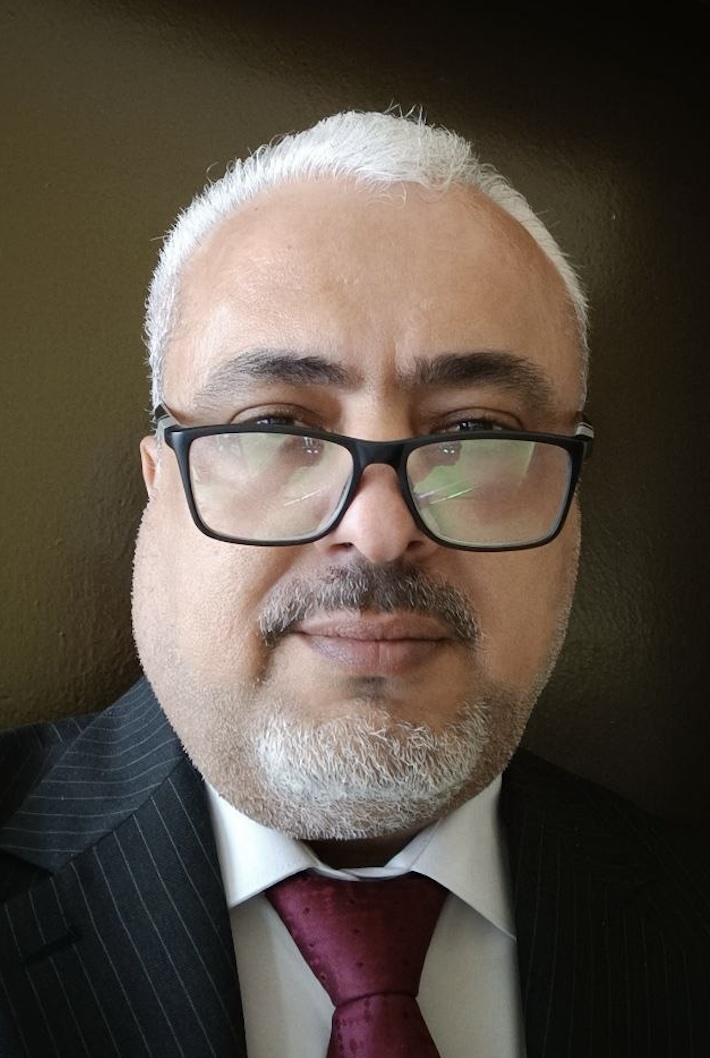
Abdulbaqi Khalaf
Advisor, Ministry of Oil
Ibrahim Bahr Al Uloom
Former Minister of Oil

Dunia Chalabi
Country Director
TotalEnergies
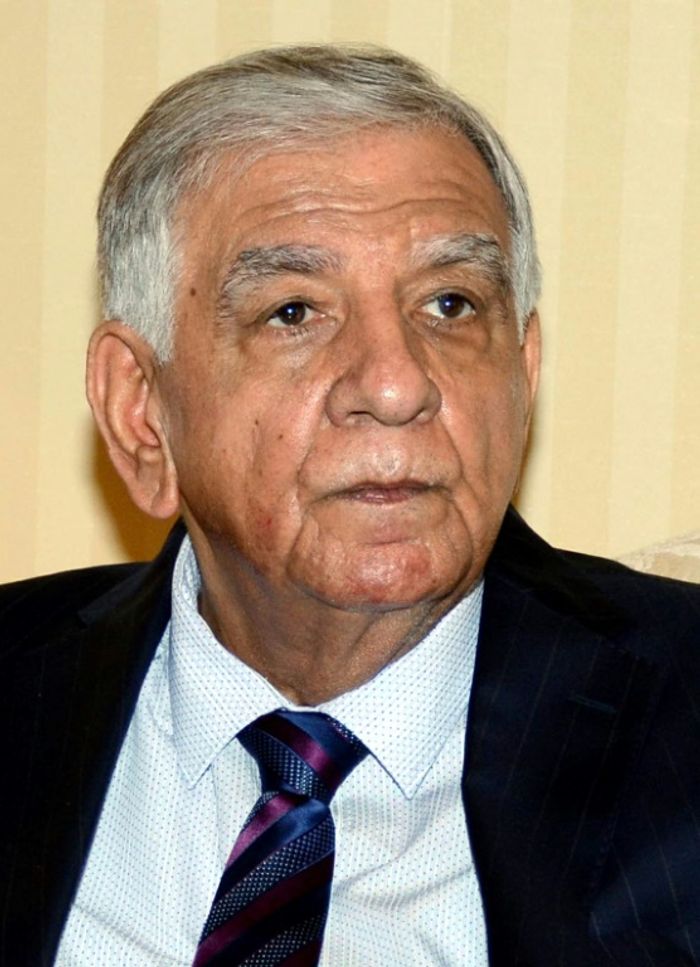
Jabbar Al-Luaibi
Former Minister of Oil
Fazil Nabi
Former Iraqi Deputy Minister of Finance
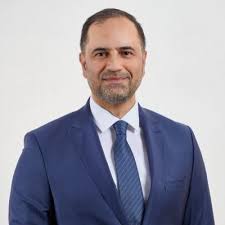
Ahmet Çonkar
Deputy Minister of Energy and Natural Resources, Türkiye
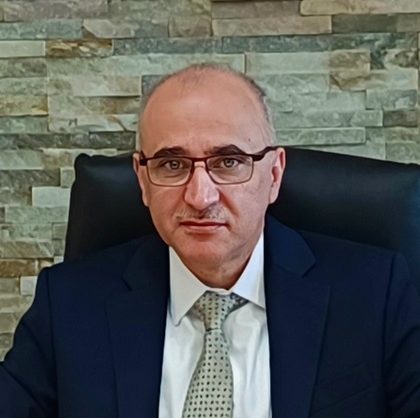
Bahaa Kadhim
President of Baghdad University

Zainab Rabee
Journalist
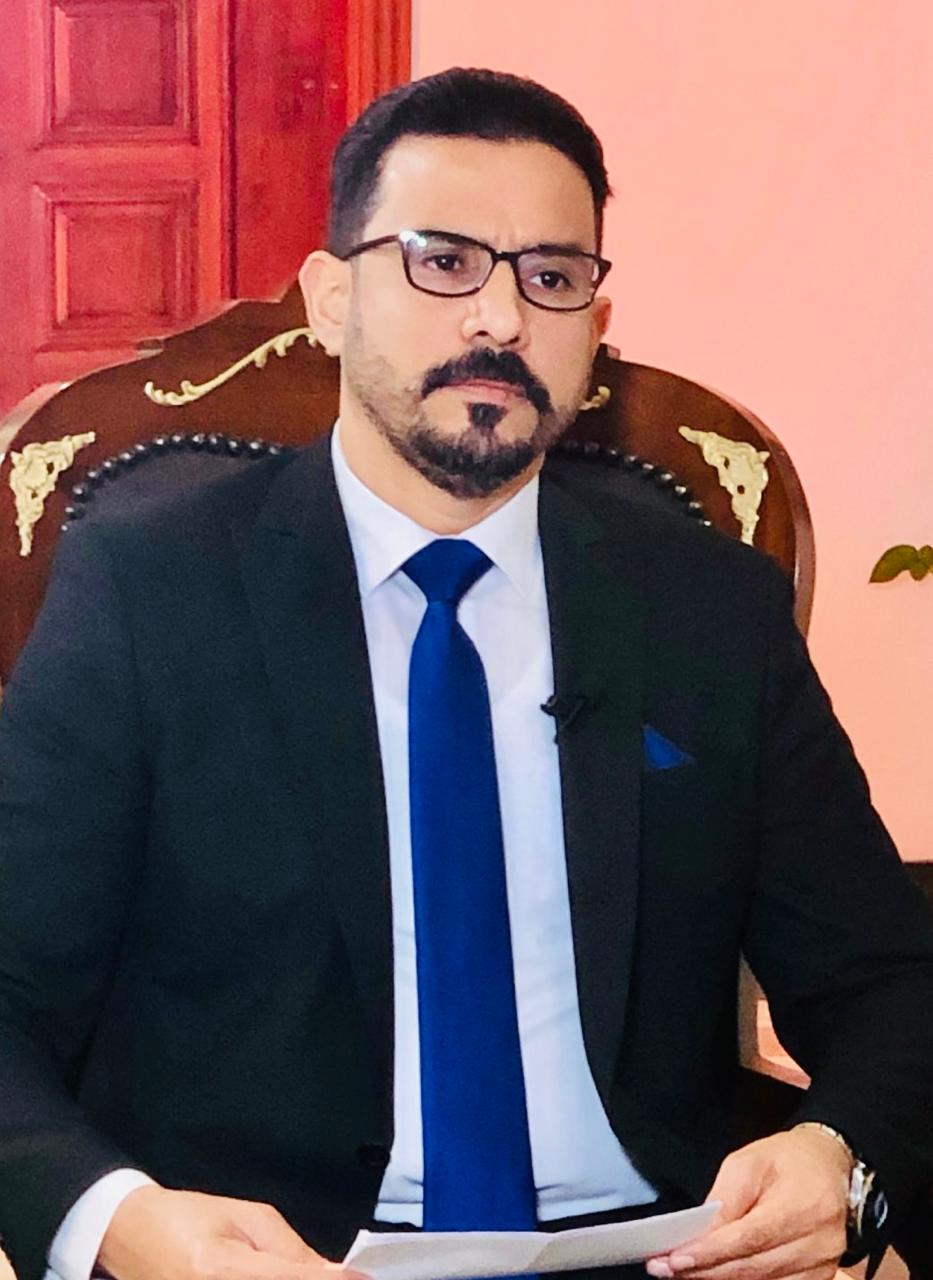
Idris Jawad
Journalist
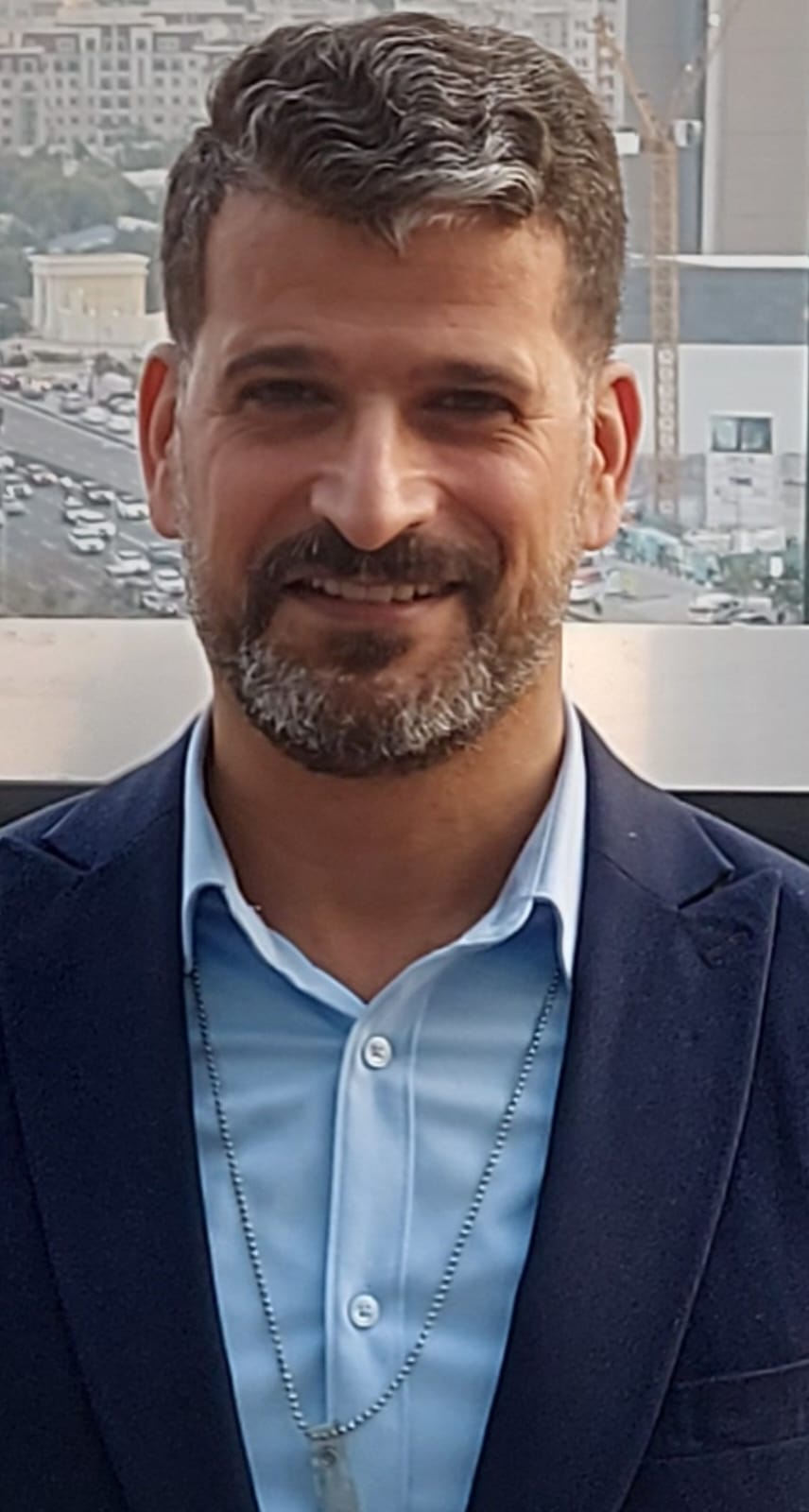
Khalid Al Ansari
Journalist
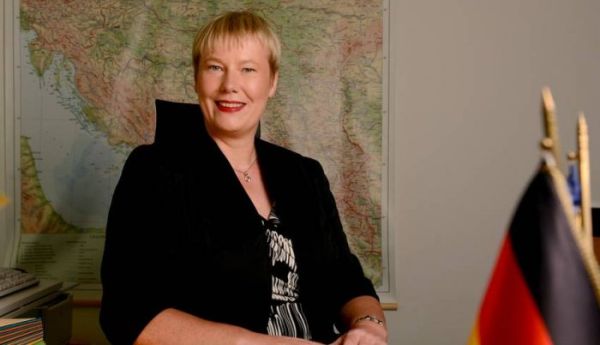
Christiane Hohmann
German Ambassador to Iraq
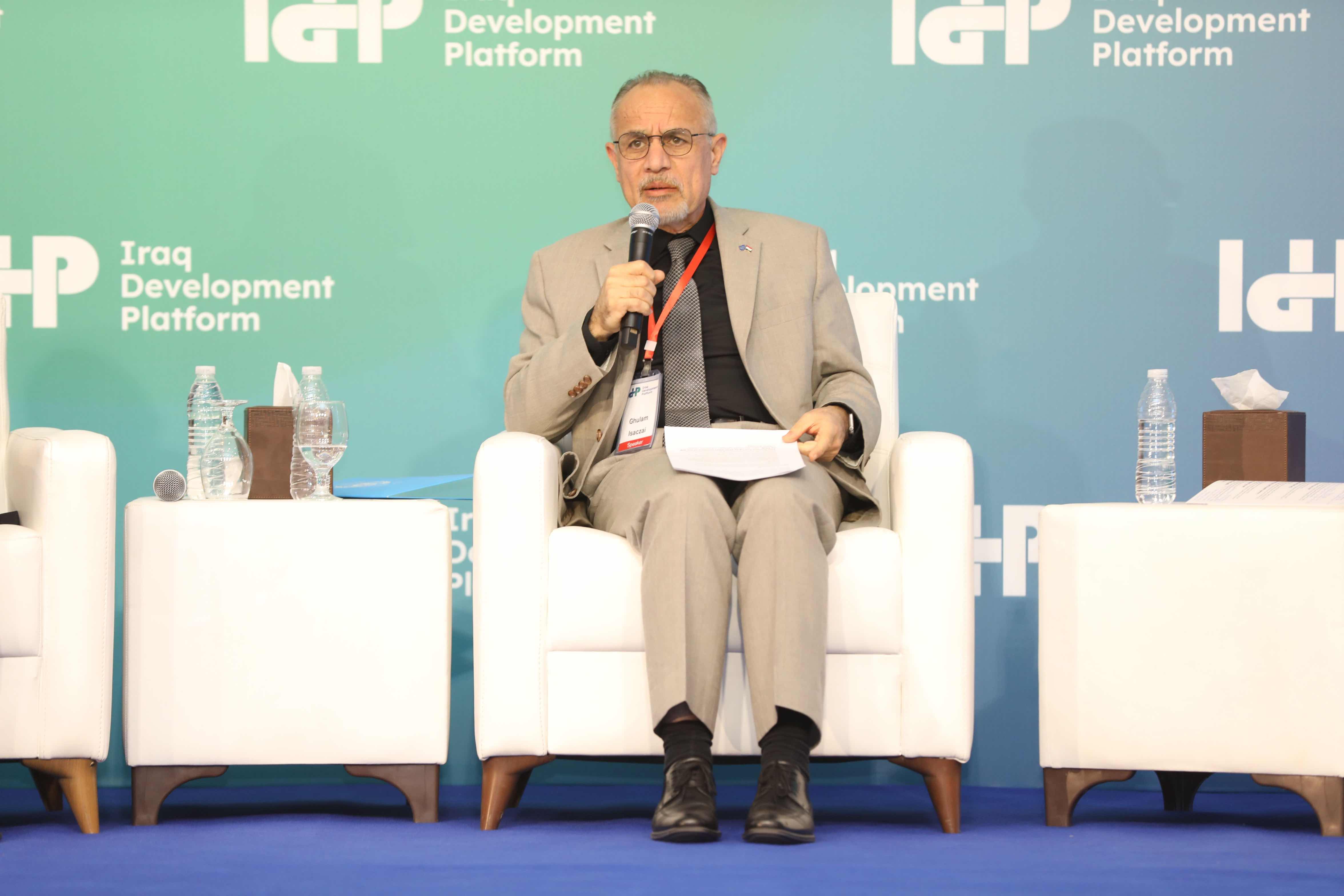
Ghulam Isaczai
UN Resident Coordinator for Iraq
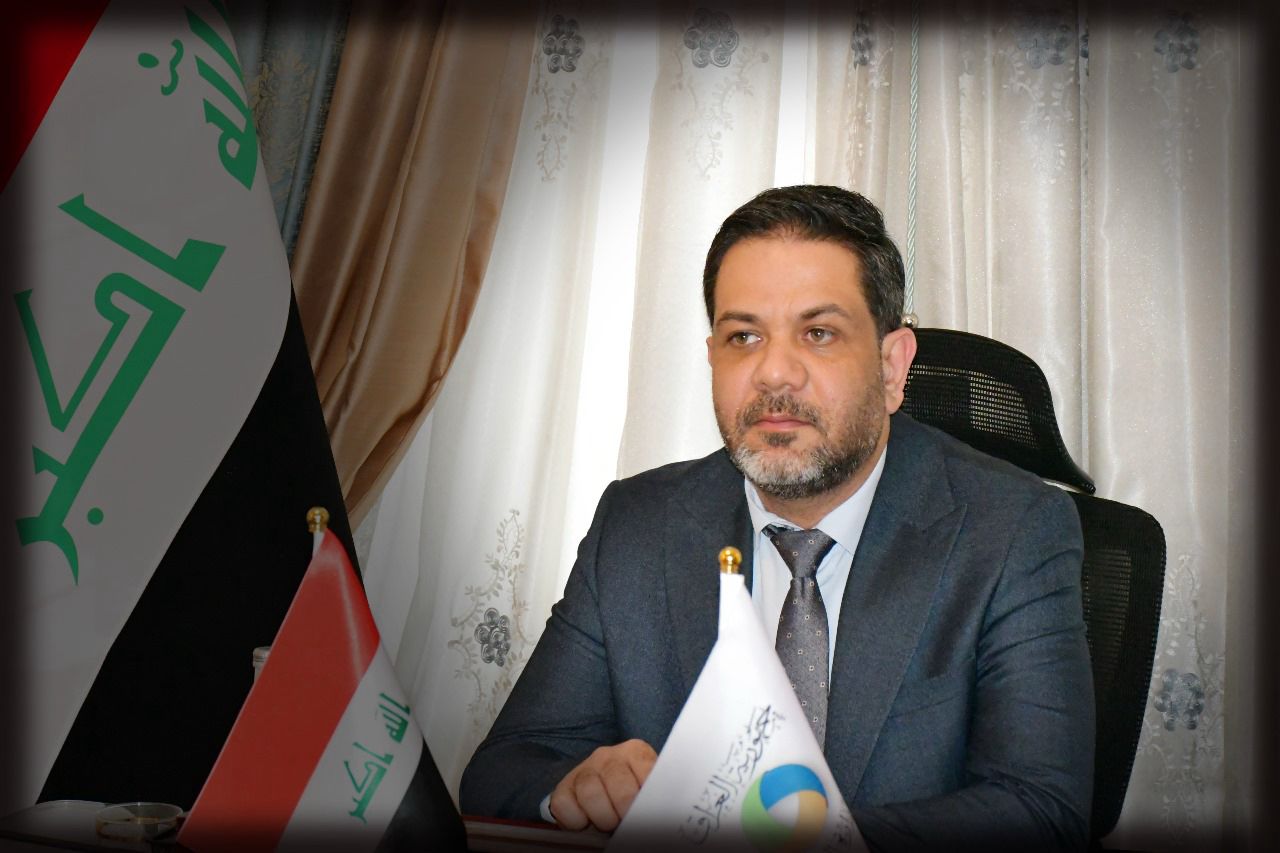
Sinan Jaafar
DG Environmental Dep. Middle Region
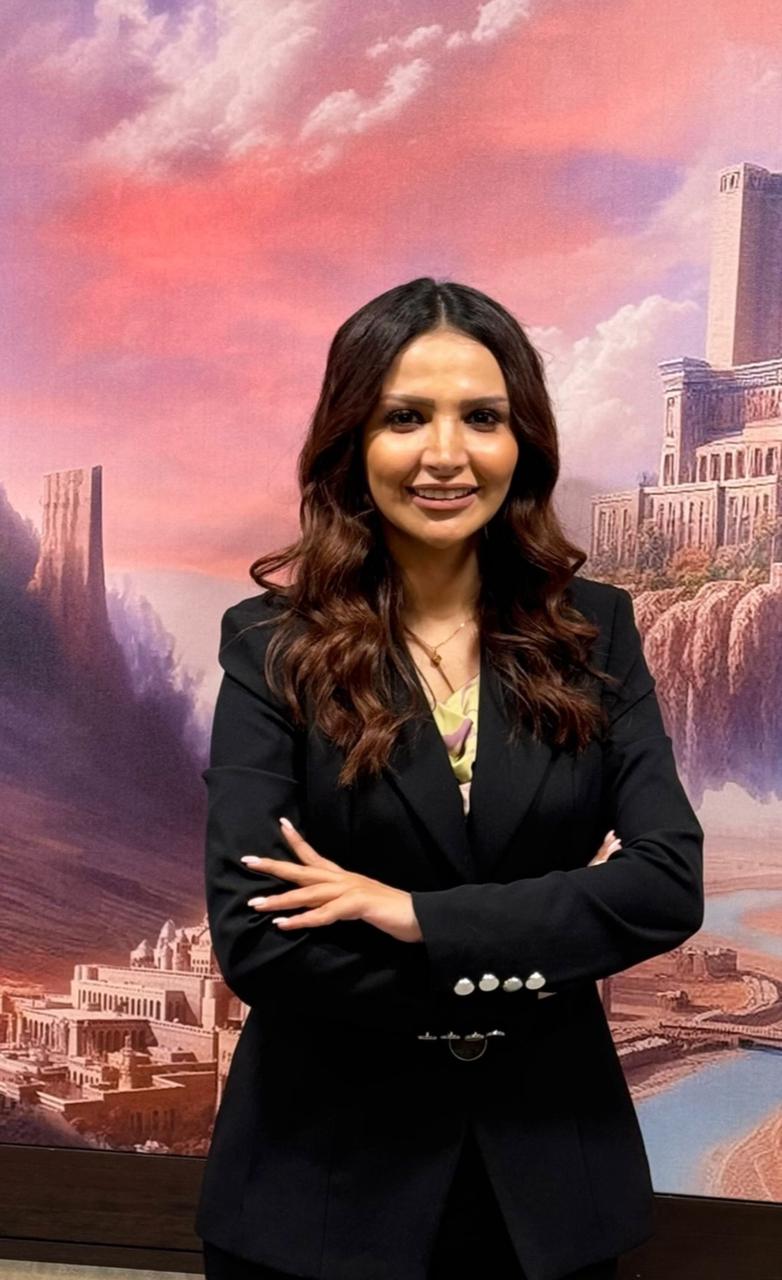
Mina Dhahir
Journalist
Abdulrahman Almashhadani
Member of Indust. Support Team
Saad Al Saeedi
Director of Hammurabi Centre
Conference Themes
- Innovation and Investments for the Future
Iraq stands on the brink of a new era in energy, where innovation and technology are key drivers of growth and sustainability. This theme explores how cutting-edge advancements, such as AI, IoT, and clean energy technologies, can revolutionise Iraq’s energy landscape. From integrating renewable energy sources to modernising electricity generation and distribution, innovation is the cornerstone of Iraq’s journey towards a resilient and efficient energy sector. Join industry leaders and tech pioneers to discuss the future of energy in Iraq and the strategies needed to harness these innovations effectively.
- Energy and Economic Diversification
Economic diversification is crucial for Iraq’s long-term stability and growth. This theme focuses on how strategic investments in various energy and infrastructure sectors, including the Iraq Development Road project, can create new economic opportunities, reduce dependence on oil, and foster sustainable development. The discussions will delve into successful models from other countries, the importance of policy and regulatory support, and the critical role of public-private partnerships in driving economic reform. Emphasising workforce development, especially through vocational training and encouraging youth and women’s participation, is essential to building a diversified and robust economy.
- Maximising Iraq’s Energy Future through Petrochemicals and Natural Gas
The petrochemical and natural gas sectors are vital components of Iraq’s energy strategy and key drivers of industrial growth. This theme explores how Iraq can capitalise on its rich natural resources to develop competitive industries in both sectors, fostering economic diversification and industrial integration. Key discussions will focus on investment opportunities, the role of partnerships in enhancing these industries, and the strategies required to build world-class petrochemical and natural gas sectors. By focusing on these resources, Iraq can create new value chains, generate jobs, and stimulate broader economic development, while also ensuring a more sustainable and resilient energy future.
- Environmental Impact and Climate Change
Climate change poses a significant challenge to Iraq’s energy sector and overall development. This theme addresses the critical need for sustainable practices in energy production, emphasizing Iraq’s role in international climate agreements and the strategies required to mitigate environmental impact. Discussions will cover the integration of renewable energy to reduce the carbon footprint, methods to reduce toxic emissions, and the creation of new job opportunities through green technologies. By adopting comprehensive mitigation and adaptation strategies, Iraq can protect its environment while driving economic growth and securing a sustainable energy future.
- Electricity Sector Reform
Reforming Iraq’s electricity sector is essential for meeting the nation’s growing energy demands and improving the quality of life for its citizens. This theme will explore the current challenges in electricity generation and distribution, focusing on strategies to overcome these issues and create a more reliable and efficient power system. Discussions will highlight the role of private sector involvement, innovations in grid modernization, and the importance of regulatory support to drive reforms. By addressing these challenges, Iraq can unlock new opportunities for economic development, ensure energy security, and pave the way for a sustainable electricity future.
- Bridging the Gap Between Baghdad and Erbil
Effective collaboration between Iraq’s federal and regional governments is crucial for the country’s energy future. This theme focuses on the challenges and opportunities in bridging the gap between Baghdad and Erbil, particularly in revenue-sharing and coordinated infrastructure projects. Discussions will explore potential solutions for equitable distribution of resources, resolving disputes that hinder progress, and the benefits of joint initiatives. By fostering cooperation, Iraq can achieve more unified and sustainable energy development that benefits all regions of the country.
- Energy Security in a Changing World
Global energy security is increasingly volatile, with shifting geopolitical landscapes and emerging threats. This theme examines Iraq’s role in the global energy market and the strategies needed to strengthen its position amidst these changes. Topics will include international cooperation for energy security, regional partnerships, and the impact of global trends on Iraq’s energy sector. By understanding and adapting to these dynamics, Iraq can enhance its energy security and contribute to a more stable global energy environment.
- The Future of Water: Conflict, Cooperation, and Sustainability
Water scarcity is a growing concern with profound implications for Iraq’s development and stability. This theme explores the pressing challenges associated with managing water resources in the face of climate change, population growth, and regional tensions. Panel discussions will address strategies for equitable water distribution, innovative solutions for sustainable water management, and the role of international cooperation in mitigating water-related conflicts. Emphasis will be placed on policies to protect Iraq’s water resources, the integration of advanced technologies to improve water efficiency, and the importance of fostering collaboration among stakeholders. By prioritising sustainability and cooperative frameworks, Iraq can safeguard its water future and support its broader development goals.
- Iraq’s Role in the Oil Market Pricing, OPEC+ Policies, and Collaboration
As a key player in the global oil market, Iraq’s role within OPEC+ significantly influences oil production quotas and pricing strategies. This theme will explore Iraq’s contribution to stabilising oil prices, its decision-making processes within OPEC+, and how these policies affect both the global energy market and Iraq’s domestic economy. Experts will discuss collaborative strategies between Iraq and OPEC+ members to balance production targets, drive economic growth, and ensure long-term energy market stability, alongside the challenges of balancing Iraq’s production levels with its long-term economic goals. Strengthening Iraq’s influence within OPEC+ can help ensure more stable oil markets and a resilient future for its energy sector.
Conference Opening Address
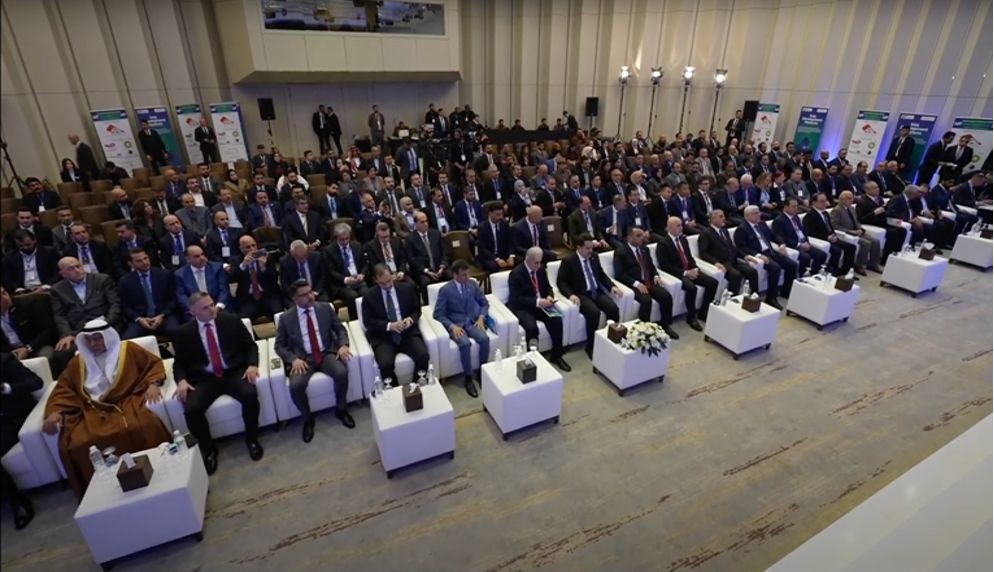
The Iraq Energy Conference was officially opened by Mr. Ashty Aladin, President of the Iraq Development Platform, who welcomed the conference’s patron, H.E. Prime Minister Mohammed Shia’ Al Sudani, along with ministers, ambassadors, and esteemed guests from Iraq and abroad. In his opening remarks, Mr. Aladin outlined the objectives of the Iraq Energy Conference, highlighting the efforts of organisers and supporters to help Iraq plan for its energy future and promote the shift towards alternative energy sources. Welcoming Remark by Mr. Ashty Aladin, President of the Iraq Development Platform Your Excellency Prime Minister Mohammed Shia’ Al Sudani, Distinguished Ministers and Excellencies, Ladies and Gentlemen, Welcome to the Iraq Energy Conference 2025, held under the title Together, for a Promising Energy Future . On behalf of the Iraq Development Platform, it is my pleasure to welcome you to the inaugural edition of the Iraq Energy Conference for the year 2025. Held under the patronage of the Prime Minister, this significant event aims to spotlight strategic transformations in the energy and economic sectors and explore the opportunities they hold. The conference aspires to unlock Iraq’s immense potential in the energy sector, promote sustainable development, create investment opportunities, and foster national, regional, and international partnerships. Over the course of two days, we will address nine key topics, ranging from oil and gas to the environment, electricity, water, economic diversification, innovation and technology, energy security, and the relationship between Baghdad and Erbil. Dear guests, through focused discussions and the exchange of constructive ideas, we aim to produce actionable insights and recommendations to drive transformation and growth in this vital sector. The Iraq Development Platform remains committed to advancing economic progress, facilitating public-private dialogue, and enabling partnerships that help shape Iraq’s future. We extend our sincere appreciation to His Excellency the Prime Minister for his generous patronage, and to all speakers, participants, and supporters. Special thanks also go to our sponsors, whose contributions made this event possible:- Platinum Sponsor: South Kurdistan Company
- Gold Sponsors: TotalEnergies, BP, Shmara, and Crescent Petroleum
- Silver Sponsors: Taurus and Landvin
- Media Sponsors: Rudaw Media Network, Al Iraqiya News Channel
Keynote Address
H.E. Prime Minister Eng. Mohammed Shia' Al Sudani
Following praise for the efforts of those organising this conference, Prime Minister Mohammed Shia’ Al-Sudani commended this initiative as important and pivotal at a time when Iraq needs to transition to alternative energy sources. Al-Sudani emphasised that this event represents a significant opportunity to review the state’s policies and programmes in the energy sector, which holds a central position within the government’s developmental plans. He pointed out that the government is working to modernise and develop this sector in parallel with the goal of diversifying the national economy, thereby supporting, and activating other economic sectors. Prime Minister’s Speech Ladies and gentlemen, esteemed attendees, peace, mercy, and blessings of God be upon you. First, I warmly welcome the representatives of the companies present at this conference and commend those responsible for preparing this meeting, which represents an opportunity to present our plans, policies, and programmes in the energy sector, a sector that occupies a pivotal place in all the government’s developmental plans. More importantly, we are committed in the government programme to modernisation and development that proceed alongside the goal of diversifying the Iraqi economy and our effort to eliminate the reliance on a single source of income, in a way that positively impacts all other sectors. Today, after nearly twenty-seven months since the launch of the economic reform and comprehensive developmental transformation wheel, through a set of constants and commitments, we find that this diligent effort has borne tangible digital results. We first targeted stopping gas flaring and succeeded in achieving 70% of this target, one of the most prominent signs of reducing carbon emissions and waste. We have also sought to maximise the benefits of oil wealth, invest in natural gas, and expand the production of petroleum derivatives. Today, we are approaching full self-sufficiency in fuels and steadily moving towards exporting gas-oil within a vision that aims to convert 40% of oil output into downstream industries by 2030. Integrated energy projects have been among the most prominent initiatives we have presented to expand the utilisation of oil production in a single location. An example of such projects is the Artawi field, accompanied by a seawater desalination project and solar power generation, in addition to gas utilisation. Maximising the non-oil economy goes hand in hand with maximising returns from oil wealth itself through expanding refining operations and petrochemical industries. From this standpoint, economic diversification gains added dimensions for creating opportunities, engaging in competition and economic challenges, and securing new and strong resources for our people. Here, the need arises to adopt innovation and initiatives to support these directions, especially as their success has been proven. Early in the government’s work, we moved towards horizontal diversification to solve unemployment problems and the mono-economy, aiming to create real job opportunities. The partnership with the private sector has been the primary window for development. One job opportunity in the private sector leads to many additional opportunities throughout the production chain and added value.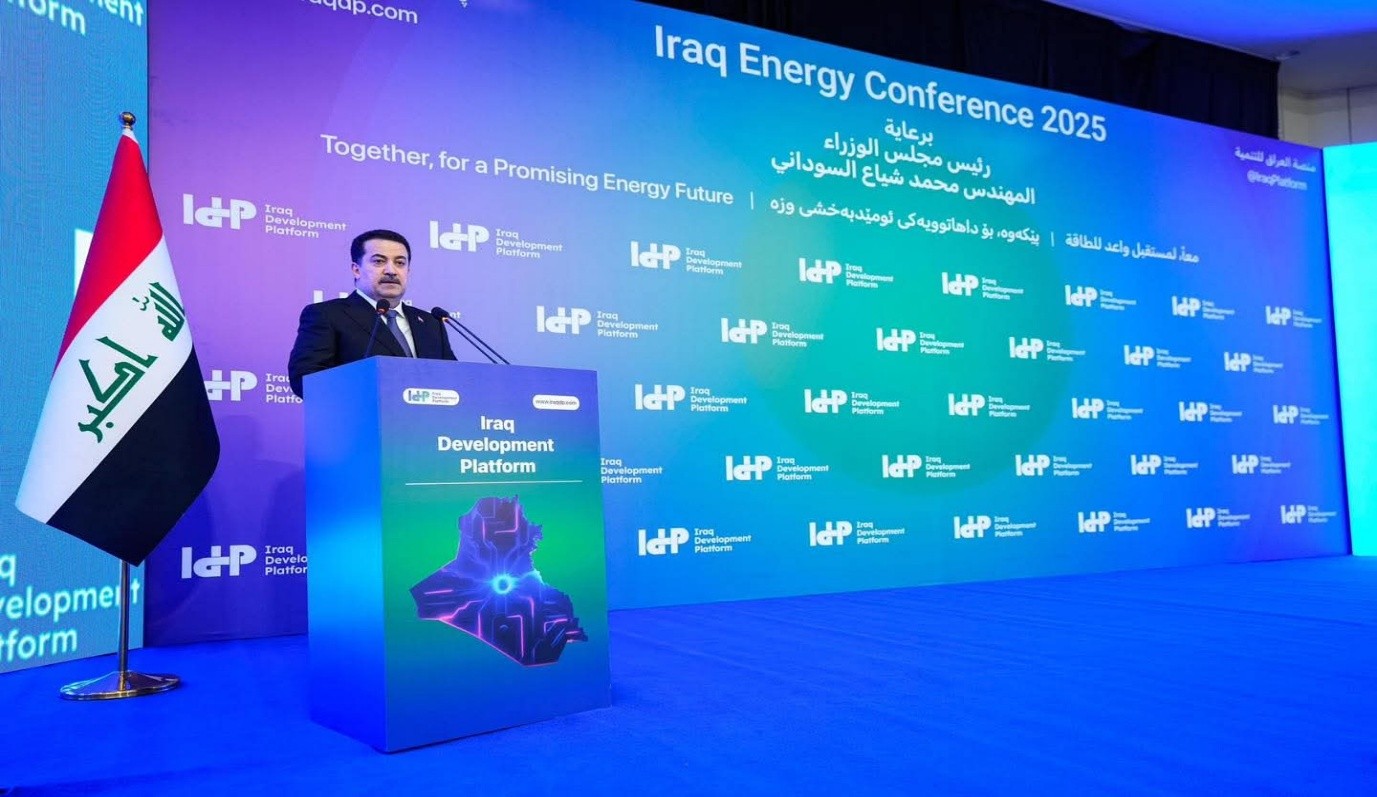 Furthermore, we rely on strategic projects that leverage all development and economic sectors, the most important of which is the Development Road. This path, vibrant with investment opportunities along its course, was designed to include pipelines for oil and gas transportation, in addition to communications, to achieve connectivity between Asia, Europe, and the countries of the region.
Alongside this is investment in human capital and the development of capabilities and skills, as today’s labour market primarily depends on the ability to deal with technology, electronic techniques, and information network transactions. Especially with the expansion of artificial intelligence applications and the abundance of database applications in all modern technological fields, which continue to expand and accelerate their updates daily.
On the side of the electrical energy sector, this vital developmental and economic nerve can be transformed into a fundamental gateway for development in Iraq. By developing the network, modernising transmission and distribution, and adopting modern and smart technologies to regulate consumption and properly manage production, transmission, and distribution, losses can be reduced, harmful emissions lowered, and a key pillar of sustainable development provided for other economic activities.
Furthermore, we rely on strategic projects that leverage all development and economic sectors, the most important of which is the Development Road. This path, vibrant with investment opportunities along its course, was designed to include pipelines for oil and gas transportation, in addition to communications, to achieve connectivity between Asia, Europe, and the countries of the region.
Alongside this is investment in human capital and the development of capabilities and skills, as today’s labour market primarily depends on the ability to deal with technology, electronic techniques, and information network transactions. Especially with the expansion of artificial intelligence applications and the abundance of database applications in all modern technological fields, which continue to expand and accelerate their updates daily.
On the side of the electrical energy sector, this vital developmental and economic nerve can be transformed into a fundamental gateway for development in Iraq. By developing the network, modernising transmission and distribution, and adopting modern and smart technologies to regulate consumption and properly manage production, transmission, and distribution, losses can be reduced, harmful emissions lowered, and a key pillar of sustainable development provided for other economic activities.
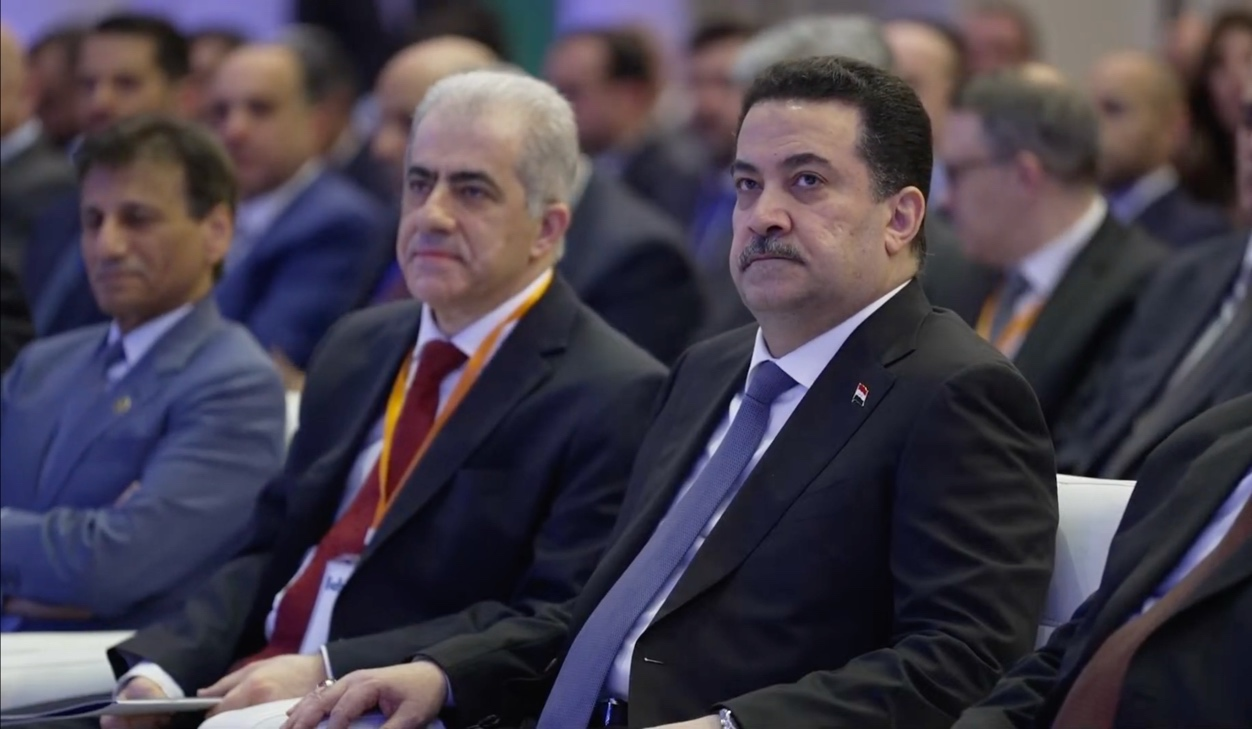 Recently, the Ministry of Electricity announced a new economic model for thermal power plants aimed at producing an additional 15,000 megawatts. The ministry is also preparing to announce a large and important package of gas-fired power plant projects under the same new model. Here, partnership with the private sector stands out to shorten time and effort and involve society in the responsibility for development, particularly in measures to confront climate change and its impact on water scarcity and the Iraqi environment.
Therefore, we have strived to introduce elements of renewable, clean, and alternative energy. The government programme has moved to actual implementation in the field of solar energy. Currently, there are ongoing and planned projects with a total capacity expected to reach 4,875 megawatts upon completion. This is in addition to the Central Bank’s support for the initiative of one trillion Iraqi dinars in loans to acquire household solar energy systems, in light of the challenges Iraq and the world face from climate change, desertification, and their social and economic impacts.
We have also advanced in electrical interconnection with Gulf countries and Turkey, reaching the electricity grid of the European Union. This achievement represents the realisation of the goal of connection, diversification, and integration with regional and global countries in the field of electrical energy.
Iraq’s global status has become increasingly brightened, bolstered by economic growth accompanied by serious and tangible reforms and increased levels of international cooperation across all energy forums and under the umbrella of international organisations, including OPEC. Iraq is now viewed as a fundamental pillar in the stability of the global energy market on the path to transforming our country into a regional centre for energy industries.
At the same time, Iraq’s contribution to the stability of the international oil market rests confidently on a strong and solid economy and on popular and governmental cooperation that supports development, corrects its course, and looks at the interests of our people with a long-term vision that considers the prosperity goals of this generation and future generations alike.
I wish your conference success and prosperity in your endeavours. Peace, mercy, and blessings of God be upon you.
Recently, the Ministry of Electricity announced a new economic model for thermal power plants aimed at producing an additional 15,000 megawatts. The ministry is also preparing to announce a large and important package of gas-fired power plant projects under the same new model. Here, partnership with the private sector stands out to shorten time and effort and involve society in the responsibility for development, particularly in measures to confront climate change and its impact on water scarcity and the Iraqi environment.
Therefore, we have strived to introduce elements of renewable, clean, and alternative energy. The government programme has moved to actual implementation in the field of solar energy. Currently, there are ongoing and planned projects with a total capacity expected to reach 4,875 megawatts upon completion. This is in addition to the Central Bank’s support for the initiative of one trillion Iraqi dinars in loans to acquire household solar energy systems, in light of the challenges Iraq and the world face from climate change, desertification, and their social and economic impacts.
We have also advanced in electrical interconnection with Gulf countries and Turkey, reaching the electricity grid of the European Union. This achievement represents the realisation of the goal of connection, diversification, and integration with regional and global countries in the field of electrical energy.
Iraq’s global status has become increasingly brightened, bolstered by economic growth accompanied by serious and tangible reforms and increased levels of international cooperation across all energy forums and under the umbrella of international organisations, including OPEC. Iraq is now viewed as a fundamental pillar in the stability of the global energy market on the path to transforming our country into a regional centre for energy industries.
At the same time, Iraq’s contribution to the stability of the international oil market rests confidently on a strong and solid economy and on popular and governmental cooperation that supports development, corrects its course, and looks at the interests of our people with a long-term vision that considers the prosperity goals of this generation and future generations alike.
I wish your conference success and prosperity in your endeavours. Peace, mercy, and blessings of God be upon you.
Keynote Address
The Special Representative of the Secretary-General of the United Nations in Iraq, Mr. Mohammed Al Hassan Ambassador Mohamed Al Hassan, the Special Representative of the UN Secretary-General in Iraq, extended his gratitude and appreciation to the organisers of this conference, which he described as a promising step on the long road ahead for Iraq in transitioning to renewable energy. Mr. Al Hassan emphasised that Iraq possesses vast potential in the energy sector due to its rich natural resources. Realising this potential, however, relies heavily on the will of the country's decision-makers and political leaders to take action that strengthens Iraq’s structural economy through investments in the energy sector.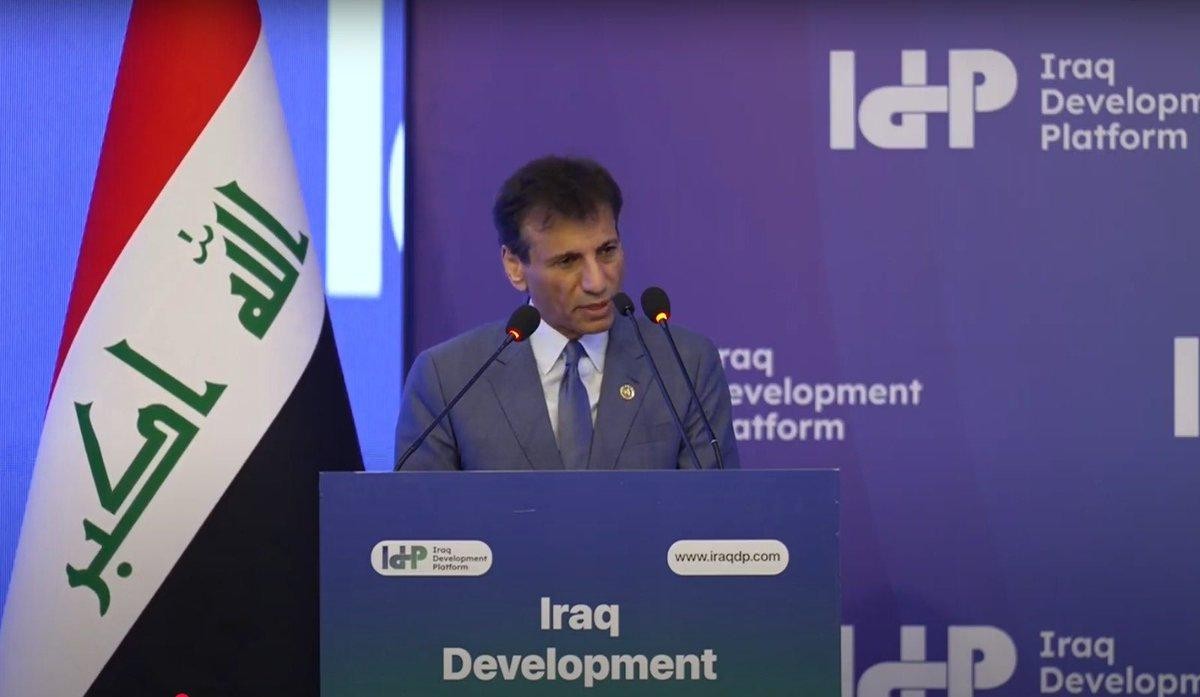 Mr Al-Hassan’s Speech
Mr Prime Minister Sudani, distinguished members of the Iraqi Government and representatives of governments to Iraq, ladies and gentlemen.
It is an honour to be with you today as we discuss one of the most urgent issues facing Iraq and the world, and that is the transition to sustainable energy. Iraq, like many other countries, is already facing the harsh realities of climate change with devastating droughts, plots, and the waves surpassing 50°C threatening both lives and vital natural resources. These challenges strain the country’s infrastructure, especially its electricity grids making it harder to meet the basic electricity needs. While climate change requires collective global action Iraq, I believe can address critical energy issues by investing in renewable energy and reducing reliance on fossil fuels. This shift is not only essential for environmental sustainability but also for economic resilience shielding the nation from vulnerabilities of price fluctuations and supply chain disruptions.
Excellencies, distinguished guests I cannot stress this enough as policy makers legislators and business leaders that this be your daily reminder investing in renewable energy and energy efficiency is an investment in Iraq’s brighter more sustainable future.
Today's discussion on sustainable energy is crucial not just for the transitioning energy systems but also for securing a more prosperous and resilient future for Iraq. This is about more than infrastructure, it is about cooperation, innovation, investment most importantly political will.
Overcoming challenges like competing priorities and delays in policy reform is essential to address an systematic issues and meeting Iraq’s growing energy needs by working together, I believe, we can align with the goals of the Paris Agreement and the SDG7 ensuring affordable, reliable and sustainable energy and let us not forget that transition to clean energy fuel is not just about mitigating the impact of climate change it is a catalyst for innovation the creation of new industries and economic opportunities. The transition will also support Iraq’s in-diversifying its economy and energy resources paving the way for long term sustainable development. I believe Iraq has already taken bold and transformative steps to transform its energy sector, not only regionally but globally.
Just days ago, in Davos, President Abdul Latif Rashid reaffirmed Iraq’s commitment to reducing gas flaring by 2028. An improving air quality is clear evidence of Iraq's determination to act. I would also like to highlight the significance of key national initiatives such as the nationally appropriate mitigation action strategy, the green growth strategy, and the energy transition framework policy developed by the UNDP supported and endorsed by the government. These initiatives represent pivotal steps towards building a sustainable and resilient future for Iraq.
I would like to commend Prime Minister Sudani, who during his recent visits reinforced this vision with concrete proposals for public private cooperation and partnerships to achieve shared energy and climate goals international collaboration and private sector engagements are vital to realising this transformative agenda.
Iraq has the opportunity to take on a leading role as the chair of the G77 in China in 2025. In this address marking Iraq’s assumption of the presidency of this very important group the deputy prime minister and foreign minister Fuad Hussain has understood the vital importance of global cooperation on climate change highlighting Iraq’s commitment to driving collective actions on the critical issues. The United Nations is fully committed to support Iraq’s aspiration and needs to transform its policy towards the journey of sustainability.
As the UN Special Representative in Iraq and the Head of UNAMI I will continue advocating support for Iraq and addressing the challenges of climate change and sustainable energy and also continue advocating support for Iraq in leading the international community in addressing global climate and energy challenges.
Mr Prime Minister and distinguished colleagues I will conclude my remarks in Arabic
Iraq, Mr Prime Minister and esteemed attendees, is a trust placed in your hands and a responsibility upon your shoulders. Safeguarding Iraq’s wealth, managing it wisely, and ensuring sustainable options for future generations are of utmost importance. We wish Iraq a bright and prosperous future. Thank you.
Mr Al-Hassan’s Speech
Mr Prime Minister Sudani, distinguished members of the Iraqi Government and representatives of governments to Iraq, ladies and gentlemen.
It is an honour to be with you today as we discuss one of the most urgent issues facing Iraq and the world, and that is the transition to sustainable energy. Iraq, like many other countries, is already facing the harsh realities of climate change with devastating droughts, plots, and the waves surpassing 50°C threatening both lives and vital natural resources. These challenges strain the country’s infrastructure, especially its electricity grids making it harder to meet the basic electricity needs. While climate change requires collective global action Iraq, I believe can address critical energy issues by investing in renewable energy and reducing reliance on fossil fuels. This shift is not only essential for environmental sustainability but also for economic resilience shielding the nation from vulnerabilities of price fluctuations and supply chain disruptions.
Excellencies, distinguished guests I cannot stress this enough as policy makers legislators and business leaders that this be your daily reminder investing in renewable energy and energy efficiency is an investment in Iraq’s brighter more sustainable future.
Today's discussion on sustainable energy is crucial not just for the transitioning energy systems but also for securing a more prosperous and resilient future for Iraq. This is about more than infrastructure, it is about cooperation, innovation, investment most importantly political will.
Overcoming challenges like competing priorities and delays in policy reform is essential to address an systematic issues and meeting Iraq’s growing energy needs by working together, I believe, we can align with the goals of the Paris Agreement and the SDG7 ensuring affordable, reliable and sustainable energy and let us not forget that transition to clean energy fuel is not just about mitigating the impact of climate change it is a catalyst for innovation the creation of new industries and economic opportunities. The transition will also support Iraq’s in-diversifying its economy and energy resources paving the way for long term sustainable development. I believe Iraq has already taken bold and transformative steps to transform its energy sector, not only regionally but globally.
Just days ago, in Davos, President Abdul Latif Rashid reaffirmed Iraq’s commitment to reducing gas flaring by 2028. An improving air quality is clear evidence of Iraq's determination to act. I would also like to highlight the significance of key national initiatives such as the nationally appropriate mitigation action strategy, the green growth strategy, and the energy transition framework policy developed by the UNDP supported and endorsed by the government. These initiatives represent pivotal steps towards building a sustainable and resilient future for Iraq.
I would like to commend Prime Minister Sudani, who during his recent visits reinforced this vision with concrete proposals for public private cooperation and partnerships to achieve shared energy and climate goals international collaboration and private sector engagements are vital to realising this transformative agenda.
Iraq has the opportunity to take on a leading role as the chair of the G77 in China in 2025. In this address marking Iraq’s assumption of the presidency of this very important group the deputy prime minister and foreign minister Fuad Hussain has understood the vital importance of global cooperation on climate change highlighting Iraq’s commitment to driving collective actions on the critical issues. The United Nations is fully committed to support Iraq’s aspiration and needs to transform its policy towards the journey of sustainability.
As the UN Special Representative in Iraq and the Head of UNAMI I will continue advocating support for Iraq and addressing the challenges of climate change and sustainable energy and also continue advocating support for Iraq in leading the international community in addressing global climate and energy challenges.
Mr Prime Minister and distinguished colleagues I will conclude my remarks in Arabic
Iraq, Mr Prime Minister and esteemed attendees, is a trust placed in your hands and a responsibility upon your shoulders. Safeguarding Iraq’s wealth, managing it wisely, and ensuring sustainable options for future generations are of utmost importance. We wish Iraq a bright and prosperous future. Thank you.
Keynote Address
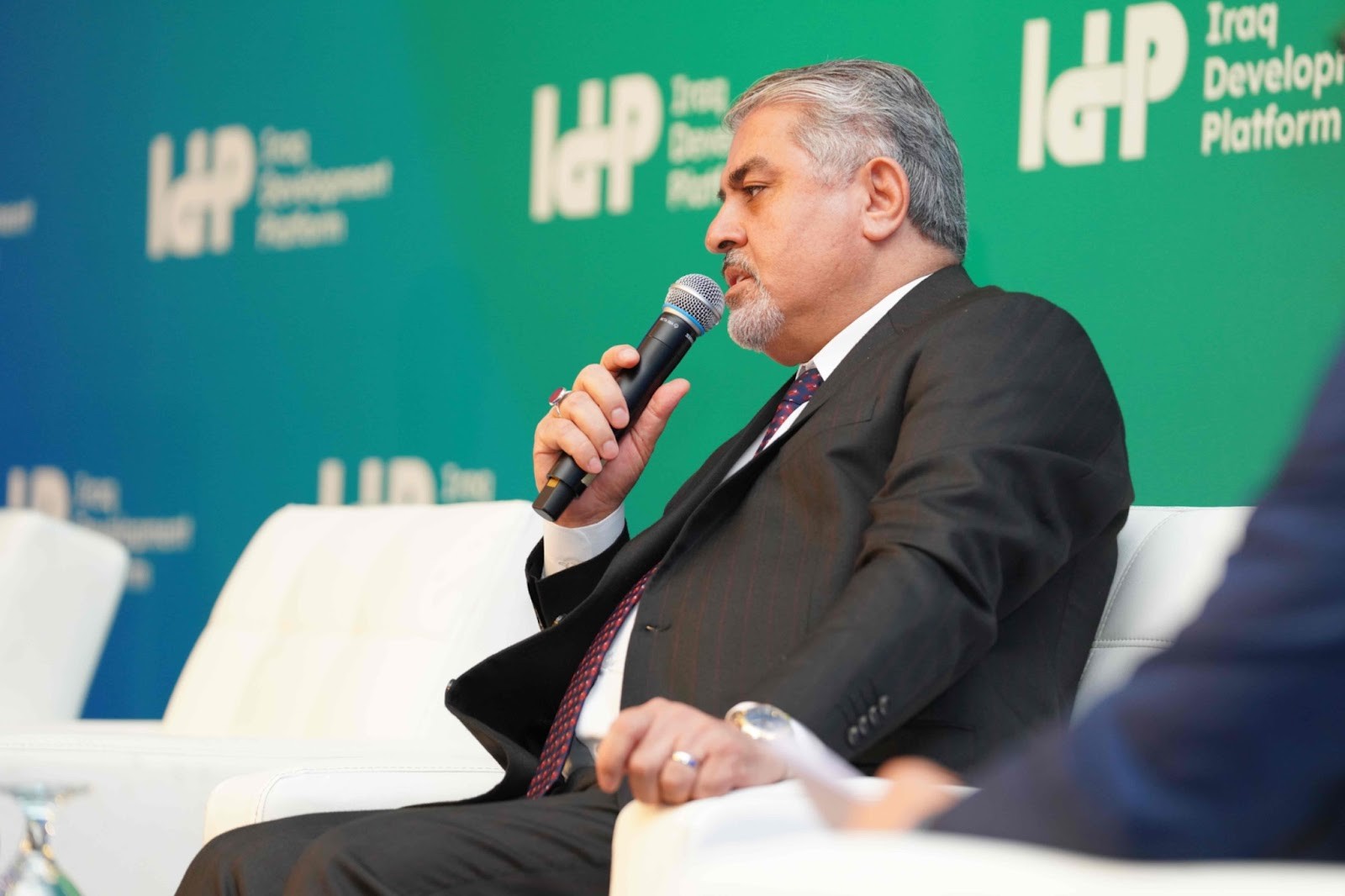
The Deputy Minister of Oil for Distribution Affairs, Ali Al-Bahadly Deputy Minister of Oil, Mr. Ali Maarij Al-Bahadly, on behalf of His Excellency the Minister of Oil, Hayyan Abdul Ghani, delivered his speech during the conference, outlining the Ministry of Oil’s plans to develop the oil and energy sector in Iraq. Al-Bahadly pointed out that the ministry prioritises completely ending the import of petroleum derivatives within no more than five years, by enhancing local production and developing refineries. He clarified that the Ministry is working to implement integrated projects aimed at reducing emissions resulting from oil extraction operations, in line with the trend toward a more sustainable environment. He also emphasised the Ministry’s ongoing execution and preparation of specialised projects in gas processing, with the goal of effectively investing gas in the electricity generation sector.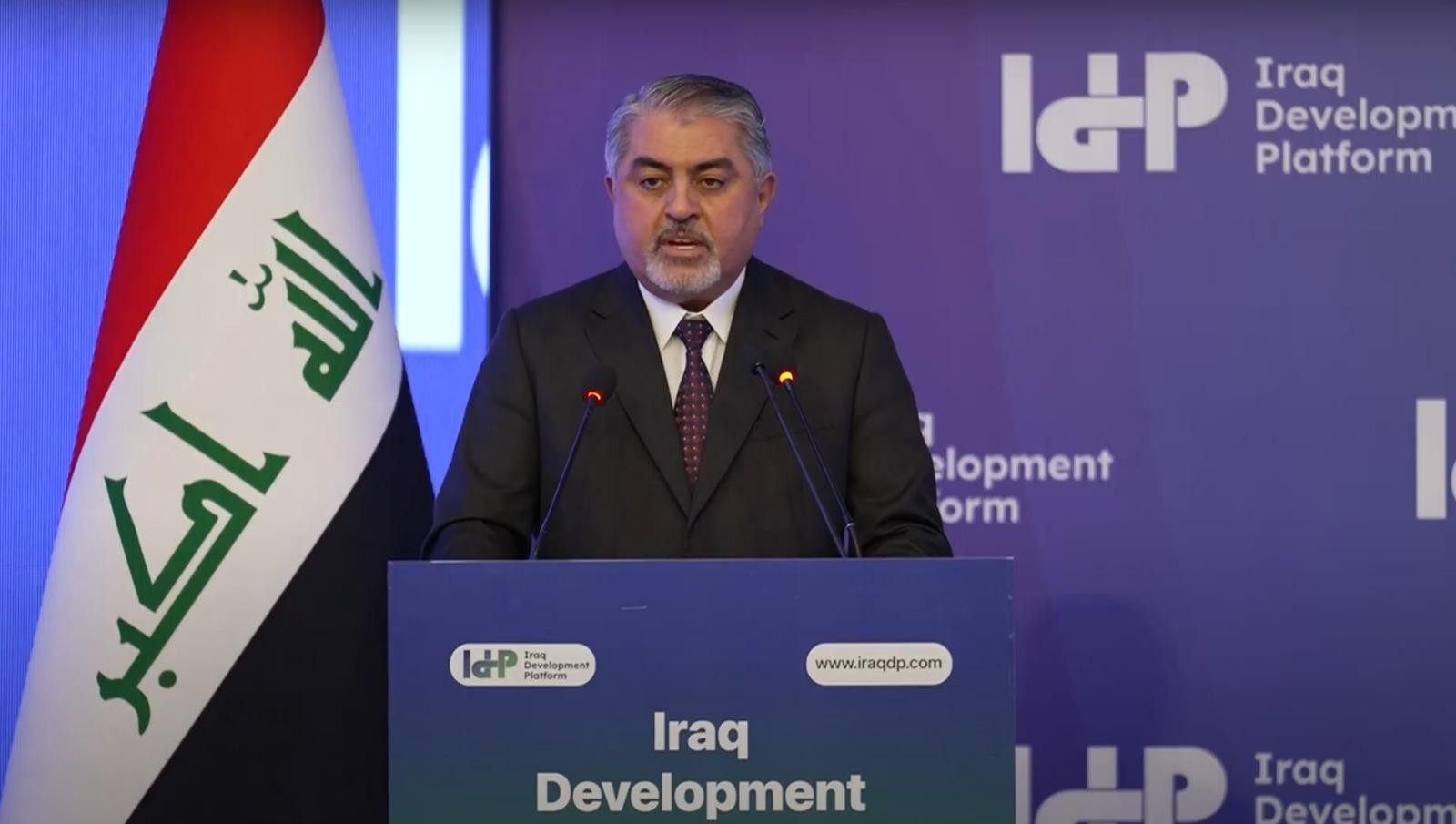 The Speech of the Deputy Minister of Oil
In the name of God, the Most Merciful, the Most Compassionate
Mr. Prime Minister, ladies and gentlemen.
It is well known to everyone the role of the Federal Ministry of Oil in developing oil fields and increasing production capacity at all levels and across the various sectors of the ministry, including extraction, gas, and refining industries. Honestly, in this speech, I want to focus on the most important fundamental goals of the Iraqi Ministry of Oil, which revolve around the following objectives:
The first objective is to increase production capacity, which will reach approximately seven million barrels of oil per day within the next five years. We also aim to treat gas and achieve zero flaring within the coming five years.
The third goal is to stop importing petroleum derivatives during the upcoming period, God willing. It is no secret that our current esteemed government has strongly supported the Federal Ministry of Oil in all its aspects through its governmental programme by including fundamental goals summarised under the following axes:
The first axis is increasing production capacity. Over the past two years, qualitative leaps have been achieved in raising production capacity through the development of oil fields that had been under contract for many years before this government. However, thanks to the determination of the Prime Minister and his personal direct daily follow-up down to the lowest administrative levels through direct communication, the Ministry has been able to overcome many difficulties and challenges.
The Speech of the Deputy Minister of Oil
In the name of God, the Most Merciful, the Most Compassionate
Mr. Prime Minister, ladies and gentlemen.
It is well known to everyone the role of the Federal Ministry of Oil in developing oil fields and increasing production capacity at all levels and across the various sectors of the ministry, including extraction, gas, and refining industries. Honestly, in this speech, I want to focus on the most important fundamental goals of the Iraqi Ministry of Oil, which revolve around the following objectives:
The first objective is to increase production capacity, which will reach approximately seven million barrels of oil per day within the next five years. We also aim to treat gas and achieve zero flaring within the coming five years.
The third goal is to stop importing petroleum derivatives during the upcoming period, God willing. It is no secret that our current esteemed government has strongly supported the Federal Ministry of Oil in all its aspects through its governmental programme by including fundamental goals summarised under the following axes:
The first axis is increasing production capacity. Over the past two years, qualitative leaps have been achieved in raising production capacity through the development of oil fields that had been under contract for many years before this government. However, thanks to the determination of the Prime Minister and his personal direct daily follow-up down to the lowest administrative levels through direct communication, the Ministry has been able to overcome many difficulties and challenges.
 This led to the initiation of the fifth licensing round, which had been stagnant for more than four years, followed by the sixth licensing round, the fifth round’s supplement, and then the contract for developing the Artawi oil field, consisting of four contracts for oil production development, gas treatment, seawater treatment, and installation of solar power plants. In this sector, specifically in extraction, for the first time, and as the Prime Minister mentioned, an integrated project is being implemented in Iraq called the “Integrated Project,” which includes oil extraction, refining, petrochemicals, electricity, and other industrial conversion industries such as fertilisers. This was not previously present in the Iraqi oil industry but was explicitly introduced at the Ministry of Oil under our current esteemed government. This is represented by several projects: the Basra Integrated Project, the Total project, the Nasiriyah project, and the Qayyarah project.
The second objective of the government’s programme for the oil industry in Iraq is to stop gas flaring in the coming years, God willing, which has been achieved through accomplishments including the inauguration of a gas processing plant in Basra with a capacity of 200 million standard cubic feet. Also, a gas processing unit was inaugurated and began operations in Maysan Governorate at the Halfaya field with a capacity of 300 million standard cubic feet. Currently, excellent progress is underway to implement a second gas processing unit in Basra and another in Dhi Qar Governorate to develop and treat gas in the Nasiriyah and Gharaf fields, in addition to the Al-Fayhaa field with a capacity of 100 million standard cubic feet. There is also production of liquid gas and condensates which will be exported abroad to benefit the Iraqi state budget.
On the refining level, God willing, through projects, some of which have already been completed during this government’s two-year period, a refining unit was completed at Basra refinery with a capacity of 70,000 barrels per day, as well as a refining unit in the North refinery with a capacity of 150,000 barrels per day. Work is ongoing to invest in the remaining refineries, including the Azmirah unit at Basra refinery and the catalytic cracking unit at the assistant factory in Basra refinery. Once these projects are realised, we will say we have stopped importing petroleum derivatives, specifically gasoline. For your information, in the past two years, we have ceased importing kerosene and gas oil, and God willing, we will continue toward stopping gasoline imports. Thus, we can say we have reached self-sufficiency in these petroleum derivatives.
This led to the initiation of the fifth licensing round, which had been stagnant for more than four years, followed by the sixth licensing round, the fifth round’s supplement, and then the contract for developing the Artawi oil field, consisting of four contracts for oil production development, gas treatment, seawater treatment, and installation of solar power plants. In this sector, specifically in extraction, for the first time, and as the Prime Minister mentioned, an integrated project is being implemented in Iraq called the “Integrated Project,” which includes oil extraction, refining, petrochemicals, electricity, and other industrial conversion industries such as fertilisers. This was not previously present in the Iraqi oil industry but was explicitly introduced at the Ministry of Oil under our current esteemed government. This is represented by several projects: the Basra Integrated Project, the Total project, the Nasiriyah project, and the Qayyarah project.
The second objective of the government’s programme for the oil industry in Iraq is to stop gas flaring in the coming years, God willing, which has been achieved through accomplishments including the inauguration of a gas processing plant in Basra with a capacity of 200 million standard cubic feet. Also, a gas processing unit was inaugurated and began operations in Maysan Governorate at the Halfaya field with a capacity of 300 million standard cubic feet. Currently, excellent progress is underway to implement a second gas processing unit in Basra and another in Dhi Qar Governorate to develop and treat gas in the Nasiriyah and Gharaf fields, in addition to the Al-Fayhaa field with a capacity of 100 million standard cubic feet. There is also production of liquid gas and condensates which will be exported abroad to benefit the Iraqi state budget.
On the refining level, God willing, through projects, some of which have already been completed during this government’s two-year period, a refining unit was completed at Basra refinery with a capacity of 70,000 barrels per day, as well as a refining unit in the North refinery with a capacity of 150,000 barrels per day. Work is ongoing to invest in the remaining refineries, including the Azmirah unit at Basra refinery and the catalytic cracking unit at the assistant factory in Basra refinery. Once these projects are realised, we will say we have stopped importing petroleum derivatives, specifically gasoline. For your information, in the past two years, we have ceased importing kerosene and gas oil, and God willing, we will continue toward stopping gasoline imports. Thus, we can say we have reached self-sufficiency in these petroleum derivatives.
 The overall three goals of increasing production, stopping gas flaring, and halting the import of petroleum products are accompanied by clear objectives of the Ministry of Oil to contribute effectively to environmental protection by reducing emissions and carbon footprint. When we talk about developing gas fields instead of oil fields, this means we are working to protect the environment and reduce the carbon footprint. When we talk about reducing gas flaring, this means we are addressing pollution and carbon emissions in the environment. When we say we are working on upgrading, building, and establishing new refinery facilities based on Euro 5 and Euro 4 standards, we are also working to reduce internal pollution. Thus, we can say that the Ministry of Oil is advancing towards clean energy and renewable energy.
I would also like to point out the Ministry of Oil’s contributions to the Development Road. As is known, the Development Road project is a national strategic project that serves Iraq economically and politically by connecting neighbouring countries with western and northern countries in the region. The Ministry of Oil contributed by forming a working team along with the Ministry of Environment and the Ministry of Transport to determine the route of this road to remove oil pipeline violations, intersections, storage tanks, and surface installations to facilitate the road’s passage and movement.
This achieves a technical benefit for the Ministry of Oil through extending the Basra–Haditha pipeline along the parallel route of the Development Road, as well as extending the strategic gas pipeline to reach the northern regions of Iraq.
I will conclude by expressing our thanks to all attendees and to the Chairman of the platform for his invitation. We look forward, God willing, to holding other future energy conferences. Peace, mercy, and blessings of God be upon you.
The overall three goals of increasing production, stopping gas flaring, and halting the import of petroleum products are accompanied by clear objectives of the Ministry of Oil to contribute effectively to environmental protection by reducing emissions and carbon footprint. When we talk about developing gas fields instead of oil fields, this means we are working to protect the environment and reduce the carbon footprint. When we talk about reducing gas flaring, this means we are addressing pollution and carbon emissions in the environment. When we say we are working on upgrading, building, and establishing new refinery facilities based on Euro 5 and Euro 4 standards, we are also working to reduce internal pollution. Thus, we can say that the Ministry of Oil is advancing towards clean energy and renewable energy.
I would also like to point out the Ministry of Oil’s contributions to the Development Road. As is known, the Development Road project is a national strategic project that serves Iraq economically and politically by connecting neighbouring countries with western and northern countries in the region. The Ministry of Oil contributed by forming a working team along with the Ministry of Environment and the Ministry of Transport to determine the route of this road to remove oil pipeline violations, intersections, storage tanks, and surface installations to facilitate the road’s passage and movement.
This achieves a technical benefit for the Ministry of Oil through extending the Basra–Haditha pipeline along the parallel route of the Development Road, as well as extending the strategic gas pipeline to reach the northern regions of Iraq.
I will conclude by expressing our thanks to all attendees and to the Chairman of the platform for his invitation. We look forward, God willing, to holding other future energy conferences. Peace, mercy, and blessings of God be upon you.
Panel Videos and Conference Proceedings
Maximizing Iraq’s Energy Future through Petrochemicals and Natural Gas
Speakers:
- Izzat Esmaeel, Deputy Minister of Oil
- Jasim Al Falahi, Deputy Minister of Environment
- Ahmed Mufti, Deputy Minister of Natural Resources KRG
- Abdulla Al Qadi, Iraq Country Chairman of Al Hilal Oil Company
- Idris Jawad, Journalist, Moderator
The first session, titled Enhancing Iraq’s Energy Future through Petrochemicals and Natural Gas, brought together a session of senior officials and energy experts to examine the strategic role of Iraq’s natural resources in shaping the country’s energy future.
At the heart of the discussion was a key question: How can Iraq best leverage its abundant natural wealth to secure a sustainable energy future? Participants emphasised the urgent need to invest in associated natural gas, currently a by-product of oil extraction, and to maximise the use of national resources for domestic benefit.
The panellist’s responses highlighted both the significant opportunities available to Iraq in the energy sector and the substantial challenges that must be addressed to unlock this potential. Their insights underscored the importance of coordinated action, strategic investment, and regulatory reform to ensure Iraq can fully harness its energy assets for long-term development and economic diversification.
Izzat Esmaeel, Deputy Minister of OilMr. Izzat Sabir Esmaeel, Deputy Minister of Oil, opened his remarks by highlighting the significant progress Iraq’s oil sector has achieved over the past decade. He emphasised the Ministry of Oil’s strategic objective of eliminating routine gas flaring entirely by 2030. Presenting a range of key data and indicators, Esmaeel noted that Iraq holds approximately 127 trillion cubic feet of natural gas reserves, ranking 11th globally. Of this total, 75% is associated gas produced alongside crude oil, while 25% is non-associated gas.
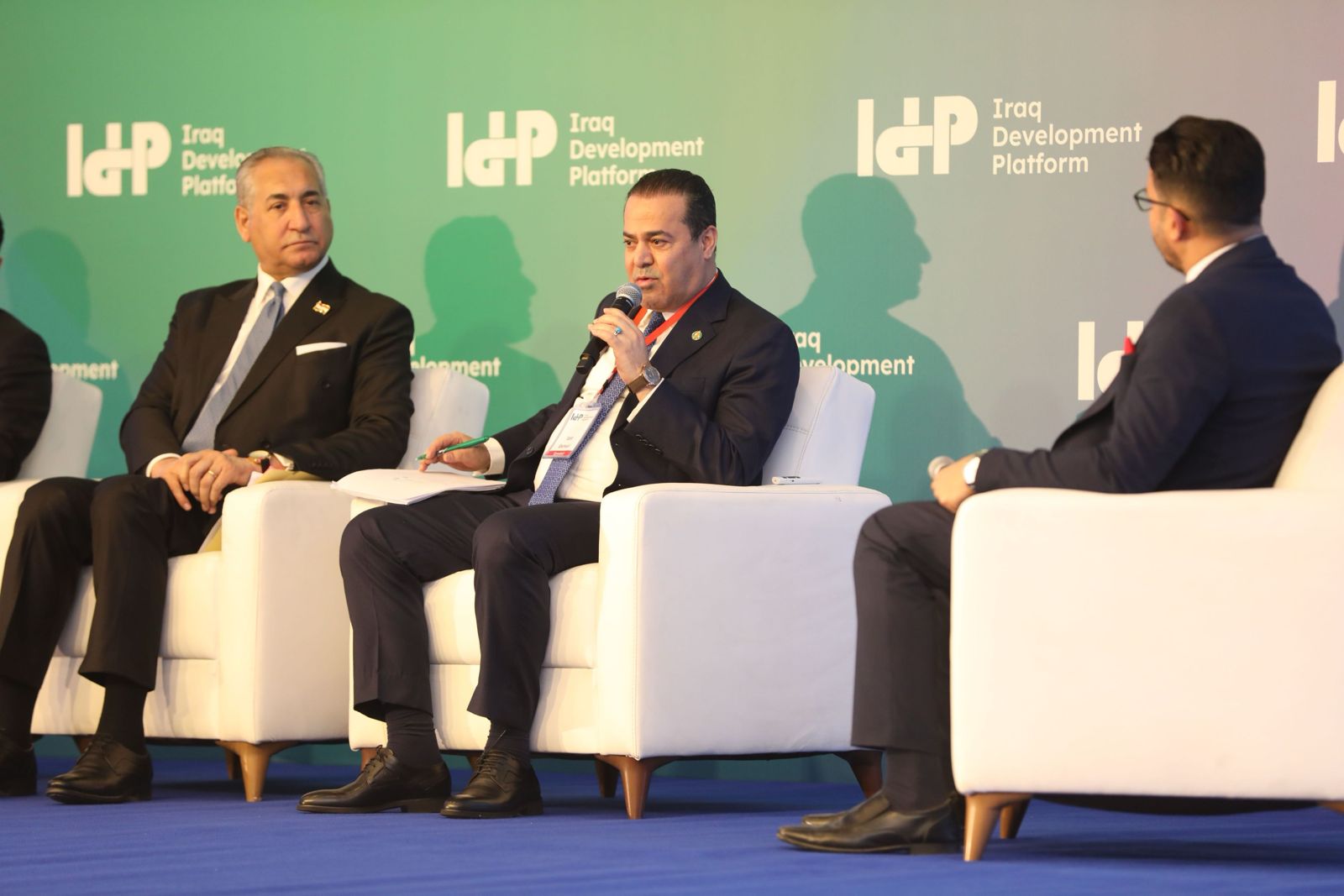
He explained that the Ministry’s gas strategy focuses on capturing and utilising all flared gas to support oil extraction and electricity generation. Between 2020 and 2024, Iraq successfully reinvested 66% of flared gas into productive uses, a marked improvement and a foundation for further expansion.
Esmaeel stressed the broader economic and environmental benefits of gas utilisation, forecasting that capturing flared gas could increase state revenues by up to $30 million per day by 2030. He underscored that Iraq’s energy ambitions are aligned with international treaties and climate commitments, adding that for every dollar invested in the gas sector, the expected return is threefold.
To accelerate this transition, Esmaeel announced that the Iraqi government has allocated $10 billion over the next ten years to expand investment in the gas sector. This long-term commitment is aimed at achieving zero flaring, improving environmental outcomes, and boosting national revenue. He also referenced a range of future gas initiatives under consideration, including plans to diversify import sources and construct a gas import terminal at the Grand Port of Al-Faw, strengthening Iraq’s energy infrastructure.
In conclusion, Esmaeel reaffirmed the Ministry’s dedication to removing bureaucratic barriers and creating an attractive investment climate for domestic and international stakeholders. By cultivating a more accessible, transparent, and investor-friendly environment, the Ministry aims to accelerate growth in Iraq’s gas sector and position it as a cornerstone of economic and environmental resilience.
Jasim Al-Falahi, Deputy Minister of Environment, IraqIn response to a question by the session moderator regarding the burdens faced by the Ministry of Environment in its efforts to reduce greenhouse gas and carbon emissions, Mr. Jasim Al-Falahi, Deputy Minister of Environment, emphasised that the oil and gas sectors are among the primary targets of both national and international environmental policies. He affirmed the Ministry’s commitment to achieving sustainable economic growth while minimising environmental pollution. While Iraq continues to rely heavily on oil production as a cornerstone of its economy and energy supply, Al-Falahi noted that the Ministry is actively working to improve environmental outcomes by adopting practical policies and mechanisms aimed at pollution reduction and sustainability enhancement.
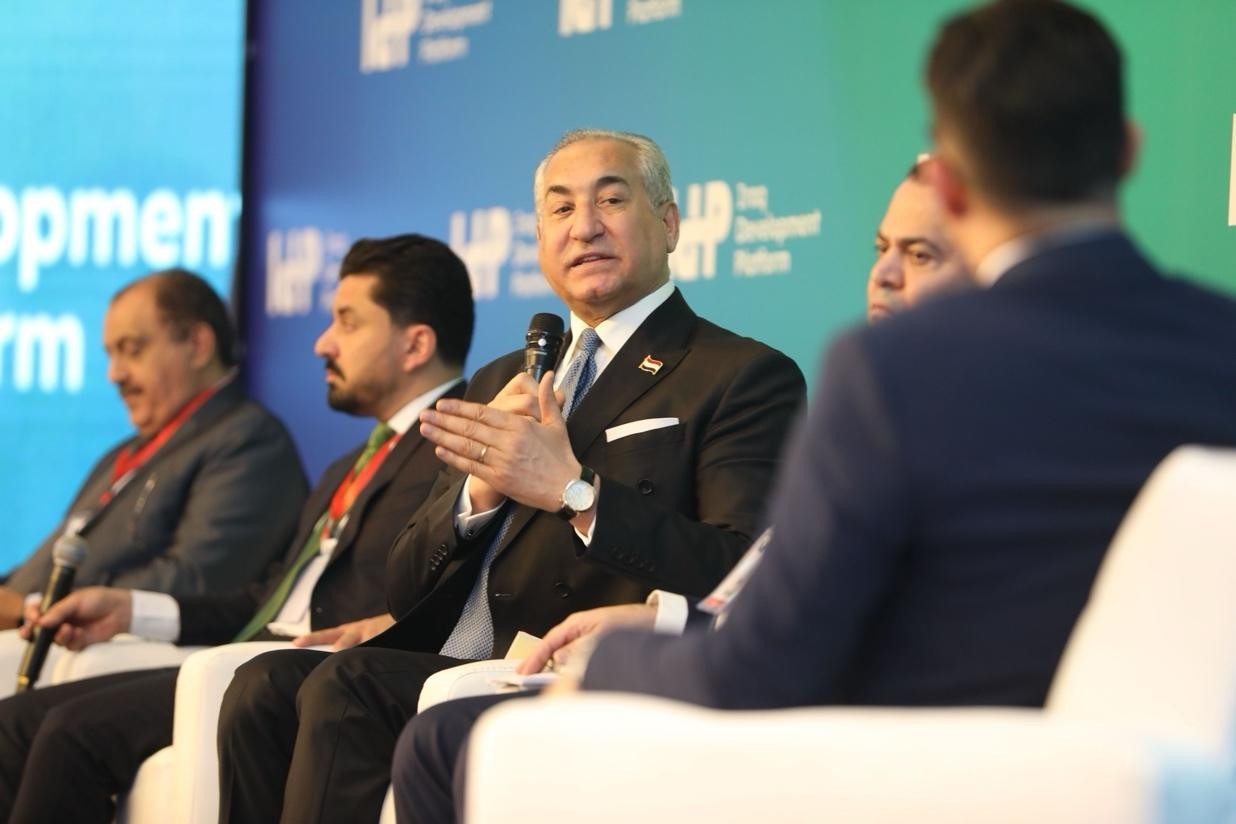
He clarified that the Ministry’s objective is not to reduce oil production or dependency per se, but to support the government’s broader strategy of transitioning from a rentier economy to one driven by diverse productive sectors, including smart agriculture. In this context, he revealed that the Prime Minister has directed the formulation of a National Environmental Policy tailored to Iraq’s unique conditions, with the goal of fostering sustainable economic diversification.
Al-Falahi also praised Iraq’s growing engagement in international environmental forums, highlighting the active representation by ministry officials to reinforce the country’s commitment to global environmental goals.
Al-Falahi also praised Iraq’s growing engagement in international environmental forums, highlighting the active representation by ministry officials to reinforce the country’s commitment to global environmental goals.
Looking ahead, he stated that the year 2035 will mark a pivotal milestone for Iraq in implementing the Paris Climate Agreement, with key objectives including increased production, optimal investment in water resources, and the development of infrastructure capable of supporting sustainable economic diversification.
He further noted that Iraq is working to enhance its emissions reduction ambitions through its updated Nationally Determined Contribution (NDC) and the effective deployment of technology, particularly in vulnerable sectors such as oil and gas, agriculture, and water resources.
He stressed the importance of both the Local Adaptation Plan (LAP) and the National Adaptation Plan (NAP), which will articulate Iraq’s vision for responding to escalating climate impacts. These plans will also include a dedicated adaptation strategy for the oil and gas industry, encouraging a sustainable transition towards infrastructure capable of supporting value-added processing industries in the sector.
Commenting on a proposal to establish a specialised carbon credit company, Al-Falahi announced that Iraq has already established the General Company for Carbon Economics, the first independent administrative, technical, and financial entity under the Ministry of Environment. This initiative is part of Iraq’s broader vision for a green, sustainable economy. The company is tasked with overseeing the carbon credit file, including the creation of an electronic platform for listing and trading carbon bonds, with the aim of leveraging these instruments in the global carbon credit market. He added that the company has begun designing its operational framework and seeks to establish partnerships with specialised firms both regionally and internationally.
In conclusion, Al-Falahi emphasised that reforms across various sectors will positively impact Iraq’s environmental status. He stressed that environmental degradation and pollution remain dynamic challenges, requiring robust legal frameworks, such as the Environmental Protection Law, and strict oversight of industrial facilities, along with enforcement measures to hold violators accountable and ensure continued improvement in Iraq’s environmental landscape.
Ahmed Mufti, Deputy Minister of Natural Resources, Kurdistan RegionSpeaking from the perspective of the Kurdistan Regional Government, Mr. Ahmed Mufti, Deputy Minister of Natural Resources, emphasised that achieving efficient utilisation of associated gas in Iraq will require long-term investment in the oil sector and modernisation of extraction practices. He noted that investors have faced persistent challenges in managing associated gas since the 1970s, and that successive governments have historically failed to prioritise or adequately invest in its development.
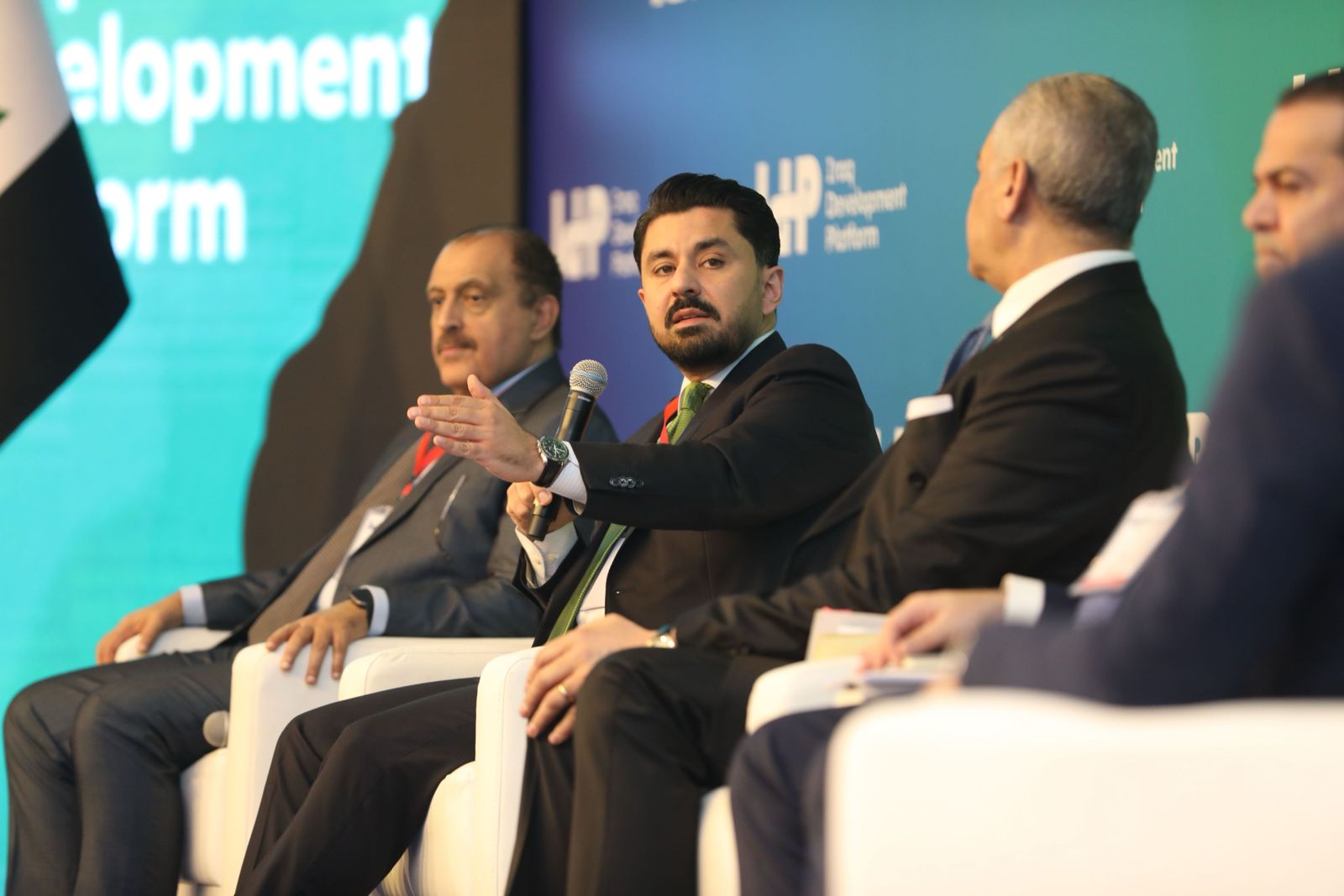
Mufti highlighted that approximately 80% of Iraq’s non-associated gas is produced in the Kurdistan Region, underscoring the strategic importance of expanding gas sector development across the entire country. He cautioned that while the federal government has set an ambitious goal of reducing associated gas flaring to zero within five years, this target may prove highly difficult, if not unattainable, within that time frame. In his assessment, a more realistic horizon for achieving this objective would span ten years, and the initial capital and maintenance costs required to develop the gas sector could reach as much as $50 billion.
Emphasising the broader industrial implications, Mufti stressed the need for the Iraqi government to actively support the domestic petrochemicals industry, not only through financial investment, but also by promoting local products to enhance their competitiveness against foreign alternatives. He noted that building a robust and globally competitive petrochemical industry requires a supportive ecosystem, including access to modern technologies and adequate resources.
To guide this effort, Mufti called for the adoption of a national action plan with concrete, achievable objectives over a five-year period. Such a roadmap, he argued, would help catalyse sustainable development in Iraq’s gas sector and significantly improve electricity generation capacity, ultimately addressing the country’s ongoing energy needs.
He pointed to the relative success of gas sector development in the Kurdistan Region, attributing it to effective governance by the Ministry of Natural Resources. He cited the KhorMor gas field as a model of successful public-private cooperation, where the private sector has led operations under the supervision of the regional government. This approach, he said, demonstrates the value of enabling partnerships between public institutions and private investors to accelerate development.
In closing, Mufti warned that Iraq continues to lose valuable time and resources due to the underdevelopment of its non-associated gas industry. He urged national decision-makers to accelerate regulatory processes and implement clear strategies to fully harness Iraq’s gas potential, an essential step toward strengthening the country’s energy sector and securing long-term national benefits.
Abdulla Al-Qadi, Iraq Country Chairman
In his remarks, Mr. Abdullah Al-Qadi, Iraq Country Chairman of Al Hilal Oil Company, underscored the structural disparity between investment in oil and gas. He noted that oil projects typically involve lower costs and lower risks, which has led to a limited number of companies entering the gas sector. To remedy this imbalance, Al-Qadi called on the Iraqi government to introduce targeted incentives and support mechanisms to attract investment into this strategically vital industry. He emphasised the importance of deploying qualified, technically skilled personnel to manage gas development projects to ensure their success.
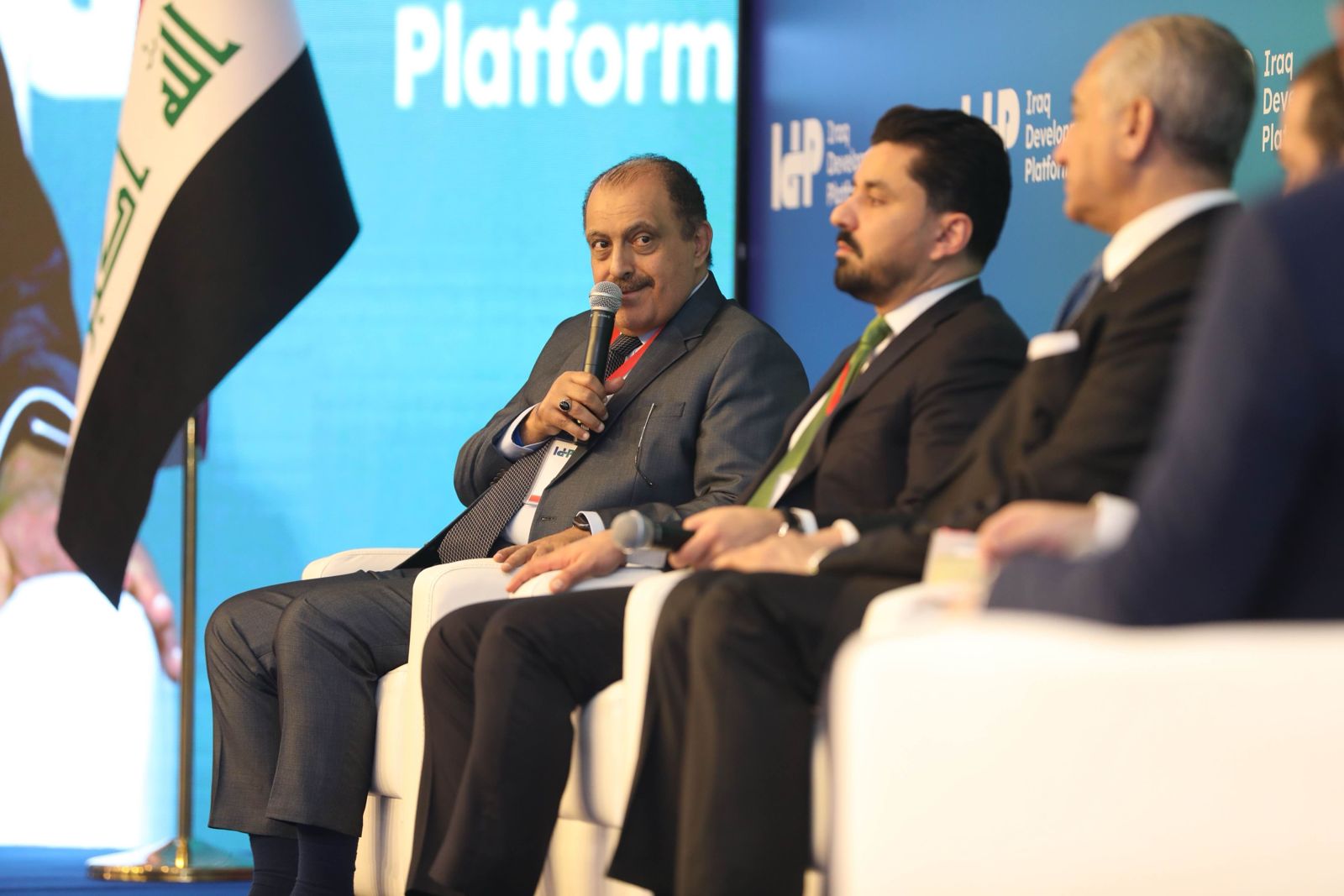
Al-Qadi further urged the Iraqi authorities to streamline the administrative procedures that often hinder progress in the oil and gas sector.
He argued that granting operational authority to private companies to bypass certain bureaucratic hurdles could significantly accelerate energy project timelines. As a case in point, he highlighted the successful development of the Khor Mor gas field in 2007. Thanks to the enabling environment created by the government, companies were able to commence gas production within just 15 months, unimpeded by regulatory obstacles.
Expanding on the technical and logistical distinctions between oil and gas, Al-Qadi noted that gas field development requires more time, greater capital, and specialised technology. He stressed the need for clearly defined plans and timelines to guide future gas development efforts. He reiterated that Iraq has the potential to achieve significant progress in this area, provided that bureaucratic barriers are removed, and companies are actively encouraged to invest. He also emphasised that the gas sector requires a higher level of governmental backing than it currently receives.
Responding to a question from journalist Idris Jawad regarding the timeline for utilising gas resources, particularly from the KhorMor field, Al-Qadi shared Crescent Petroleum’s future plans in Diyala Governorate. He revealed that the company intends to confirm the presence of substantial gas reserves in the area within the next two years. He expressed hope that Diyala’s oil fields could serve as a foundation for a broader, interconnected national strategy to develop Iraq’s gas assets. He also confirmed that Crescent currently produces 530 million standard cubic feet per day from KhorMor, with an additional 270 million expected by the end of the year as part of an expansion initiative.
With respect to the Kurdistan Region, Al-Qadi emphasised that excess gas production there will be used to power electricity stations across Iraq. He firmly stated that Sulaymaniyah’s gas is for all Iraqis, it is not exported between provinces but rather invested domestically to meet national energy demands.
In closing, Al-Qadi acknowledged the multifaceted challenges Iraq faces, from environmental and climate-related issues that require robust legislative and governmental intervention, to ongoing complexities in the relationship between the federal government and the Kurdistan Regional Government. Nonetheless, he stressed that the opportunity to advance energy sector investment and development remains viable and can be realised, if approached with the right policies, political will, and execution.
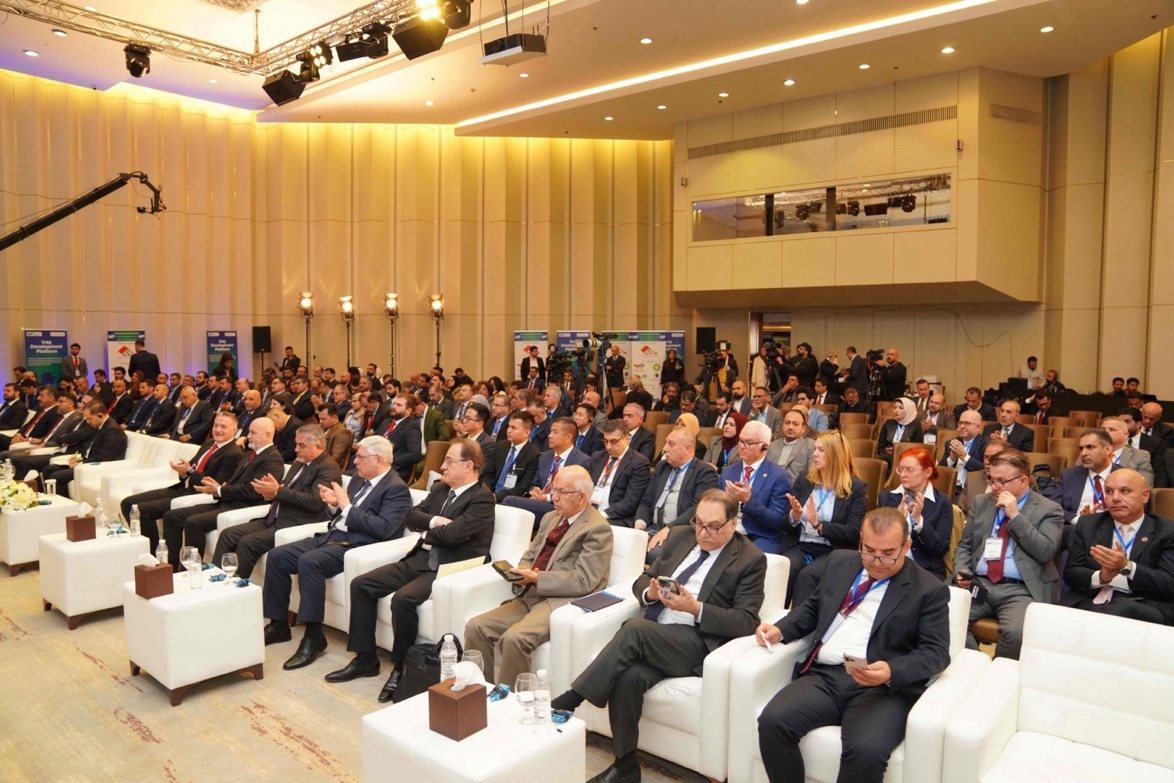
In his address, Mr. Ahmet Conkar, Deputy Minister of Energy of Turkey, emphasised Iraq’s strategic importance within Turkey’s energy investment plans. He highlighted the significant potential for developing the natural gas, electricity, and petrochemical sectors through cooperation between the two countries. Conkar noted that this partnership serves as a vital economic driver, particularly through the development of projects aimed at transporting natural gas and crude oil between Iraq and Turkey, thereby enhancing regional trade and economic cooperation.
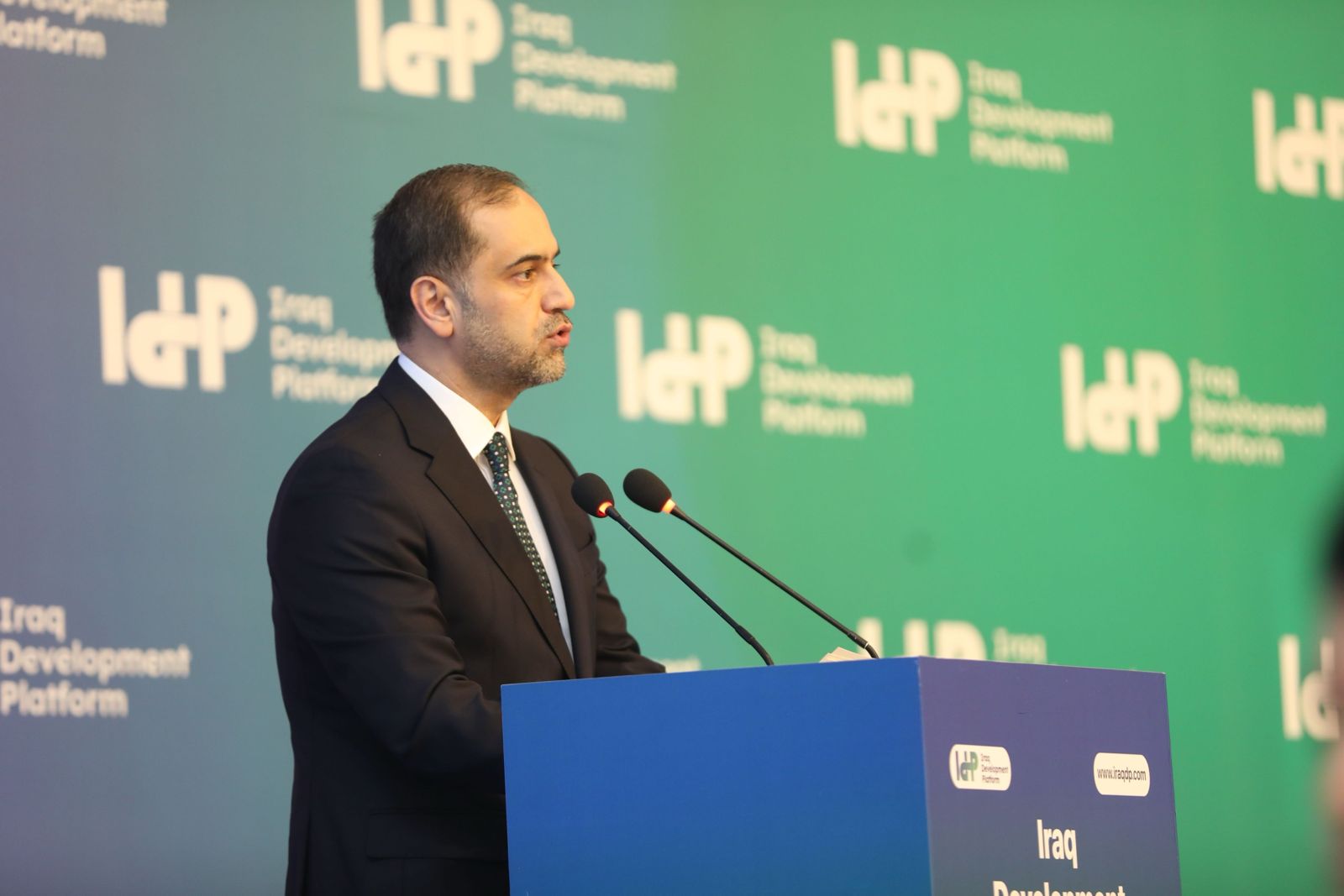
Conkar further explained that natural gas is a vital energy source that requires ongoing development and operational continuity. He affirmed Turkey’s readiness to provide Iraq with technical support and expertise, particularly in electric power supply. He added that Turkey is prepared to assist Iraq in overcoming electricity shortages by offering practical solutions and guidance to improve efficiency in this critical sector.
Regarding the Development Road project, Conkar stressed its strategic importance not only for Iraq and Turkey but also for the European Union and the broader international community. He described the project as a major step toward enhancing infrastructure and transportation networks, creating expanded opportunities for trade and mutual economic benefits.
Conkar also expressed Turkey’s interest in supporting the renewable energy sector in Iraq, stating that cooperation in this area would contribute to the region’s economic growth and stability. He concluded by announcing Turkey’s intention to launch new joint projects with Iraq under the Development Road initiative in the near future, aiming to improve living standards and promote long-term energy sustainability in Iraq.
- Ali Al-Bahadly,Deputy Minister of Oil for Distribution Affairs
- Abdul Baqi Khalaf,Advisor to the Minister of Oil
- Zaid Elyaseri,Country Manager of BP Iraq
- Khalid Al-Ansari,Journalist, Moderator
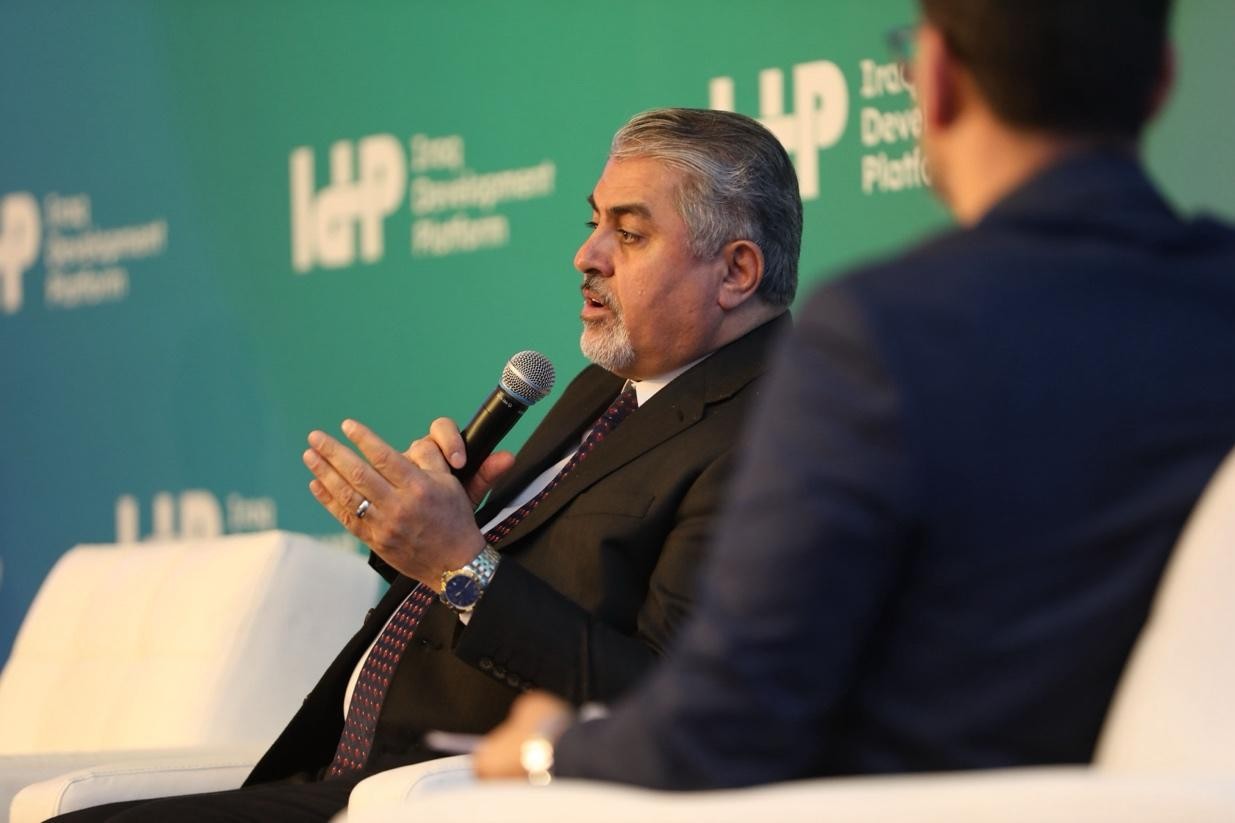 Al-Bahadly highlighted that the first, second, and third licensing rounds were based on service contracts, while contracts evolved in subsequent rounds, the fifth, sixth, and fifth annex, to become profit-sharing production contracts, which ensure greater fairness for both parties. He added that the Ministry is currently moving towards integrated projects covering extraction, refining, and advancing petrochemical and construction industries, such as fertiliser production and electricity generation. Although such projects are common globally, they are new to Iraq, with implementations underway in Dhi Qar province and the Qayyarah field in Nineveh province.
Regarding refineries, Al-Bahadly pointed out that the Ministry of Oil’s refineries currently produce both light (white) and heavy (black) derivatives; however, the remaining heavy product proportion is around 50%, which is insufficient to meet local market demand. As for light products, the Ministry has succeeded in halting imports of white oil and is also aiming to stop gasoline imports in the near future. Concerning gas, he explained that the ministry is working to utilise the strategic gas reserves to address the electricity crisis and provide steady supplies to support the stability of the country’s electrical grid.
In his remarks, Deputy Minister Ali Al-Bahadly emphasised the pivotal role the Ministry of Oil plays in securing energy supplies for Iraq’s electricity generation, supplying power plants with approximately 200,000 barrels of crude oil daily, in addition to 10,000 cubic meters of gas oil and quantities of dry gas, part of which is imported from Iran. He noted that the Ministry relies on advanced strategies for consuming gas stored in strategic reserves to meet the needs of electricity generation plants and ensure continuity of supply.
Al-Bahadly added that Iraqi refineries produce about 30,000 cubic meters of gas oil daily, roughly equal to daily consumption, which ranges between 30,000 to 32,000 cubic meters. He affirmed that should production exceed local consumption and storage capacity; the Ministry plans to export the surplus quantities as part of a policy to maximise resources.
Al-Bahadly also addressed the proposal to unify Iraq’s oil revenues by pooling income from various regions into a single fund, which would then be distributed to the provinces according to the estimates of the federal budget. He emphasised that this step would enhance economic fairness in the distribution of resources across all regions of Iraq.
In response to a question about the issues related to exports from the Kurdistan Region, Ali Ma’arij stated that the Ministry of Natural Resources in Kurdistan had signed contracts with oil companies under unacceptable terms, specifically, production-sharing contracts, and continued to do so without consulting the federal government.
Al-Bahadly noted that the problems worsened because the Ministry of Oil was not fully aware of the technical details between the Ministry of Natural Resources and the oil companies. This lack of transparency led the federal ministry to distrust the foreign companies’ contracts, especially concerning operational cost issues.
He confirmed that the ministry reached an estimated production cost per barrel in Kurdistan as part of an initiative to resolve the dispute, which is approximately $16 per barrel. If this price is agreed upon, the Ministry of Natural Resources would join the Ministry of Oil. Additionally, there is a proposal to establish a company named “Kurdistan Oil Company,” which would then be incorporated into SOMO (State Oil Marketing Organisation) to unify oil exports.
Al-Bahadly stressed the importance of the Kurdistan Region’s Ministry of Oil working harmoniously with the federal Ministry of Oil to ensure coordination and transparency in the oil sector. He noted this would have a positive impact on the stability of Iraq’s energy sector and help achieve equitable economic development across all provinces.
Abdul Baqi Khalaf, Advisor to the Minister of Oil
In response to a question from the session moderator, journalist Khalid Al-Ansari, regarding the Ministry of Oil’s plans for energy transition, Mr. Abdul Baqi Khalaf, advisor to the minister of oil, confirmed that future oil pricing will increasingly depend on the carbon footprint, as carbon emissions have become a significant factor in global oil pricing mechanisms.
He explained that Iraq is among the countries most affected by global emissions, noting that its annual contribution is approximately 200 million tons of carbon emissions, equivalent to about 0.6% of the total global emissions estimated at 36,000 million tons.
Al-Bahadly highlighted that the first, second, and third licensing rounds were based on service contracts, while contracts evolved in subsequent rounds, the fifth, sixth, and fifth annex, to become profit-sharing production contracts, which ensure greater fairness for both parties. He added that the Ministry is currently moving towards integrated projects covering extraction, refining, and advancing petrochemical and construction industries, such as fertiliser production and electricity generation. Although such projects are common globally, they are new to Iraq, with implementations underway in Dhi Qar province and the Qayyarah field in Nineveh province.
Regarding refineries, Al-Bahadly pointed out that the Ministry of Oil’s refineries currently produce both light (white) and heavy (black) derivatives; however, the remaining heavy product proportion is around 50%, which is insufficient to meet local market demand. As for light products, the Ministry has succeeded in halting imports of white oil and is also aiming to stop gasoline imports in the near future. Concerning gas, he explained that the ministry is working to utilise the strategic gas reserves to address the electricity crisis and provide steady supplies to support the stability of the country’s electrical grid.
In his remarks, Deputy Minister Ali Al-Bahadly emphasised the pivotal role the Ministry of Oil plays in securing energy supplies for Iraq’s electricity generation, supplying power plants with approximately 200,000 barrels of crude oil daily, in addition to 10,000 cubic meters of gas oil and quantities of dry gas, part of which is imported from Iran. He noted that the Ministry relies on advanced strategies for consuming gas stored in strategic reserves to meet the needs of electricity generation plants and ensure continuity of supply.
Al-Bahadly added that Iraqi refineries produce about 30,000 cubic meters of gas oil daily, roughly equal to daily consumption, which ranges between 30,000 to 32,000 cubic meters. He affirmed that should production exceed local consumption and storage capacity; the Ministry plans to export the surplus quantities as part of a policy to maximise resources.
Al-Bahadly also addressed the proposal to unify Iraq’s oil revenues by pooling income from various regions into a single fund, which would then be distributed to the provinces according to the estimates of the federal budget. He emphasised that this step would enhance economic fairness in the distribution of resources across all regions of Iraq.
In response to a question about the issues related to exports from the Kurdistan Region, Ali Ma’arij stated that the Ministry of Natural Resources in Kurdistan had signed contracts with oil companies under unacceptable terms, specifically, production-sharing contracts, and continued to do so without consulting the federal government.
Al-Bahadly noted that the problems worsened because the Ministry of Oil was not fully aware of the technical details between the Ministry of Natural Resources and the oil companies. This lack of transparency led the federal ministry to distrust the foreign companies’ contracts, especially concerning operational cost issues.
He confirmed that the ministry reached an estimated production cost per barrel in Kurdistan as part of an initiative to resolve the dispute, which is approximately $16 per barrel. If this price is agreed upon, the Ministry of Natural Resources would join the Ministry of Oil. Additionally, there is a proposal to establish a company named “Kurdistan Oil Company,” which would then be incorporated into SOMO (State Oil Marketing Organisation) to unify oil exports.
Al-Bahadly stressed the importance of the Kurdistan Region’s Ministry of Oil working harmoniously with the federal Ministry of Oil to ensure coordination and transparency in the oil sector. He noted this would have a positive impact on the stability of Iraq’s energy sector and help achieve equitable economic development across all provinces.
Abdul Baqi Khalaf, Advisor to the Minister of Oil
In response to a question from the session moderator, journalist Khalid Al-Ansari, regarding the Ministry of Oil’s plans for energy transition, Mr. Abdul Baqi Khalaf, advisor to the minister of oil, confirmed that future oil pricing will increasingly depend on the carbon footprint, as carbon emissions have become a significant factor in global oil pricing mechanisms.
He explained that Iraq is among the countries most affected by global emissions, noting that its annual contribution is approximately 200 million tons of carbon emissions, equivalent to about 0.6% of the total global emissions estimated at 36,000 million tons.
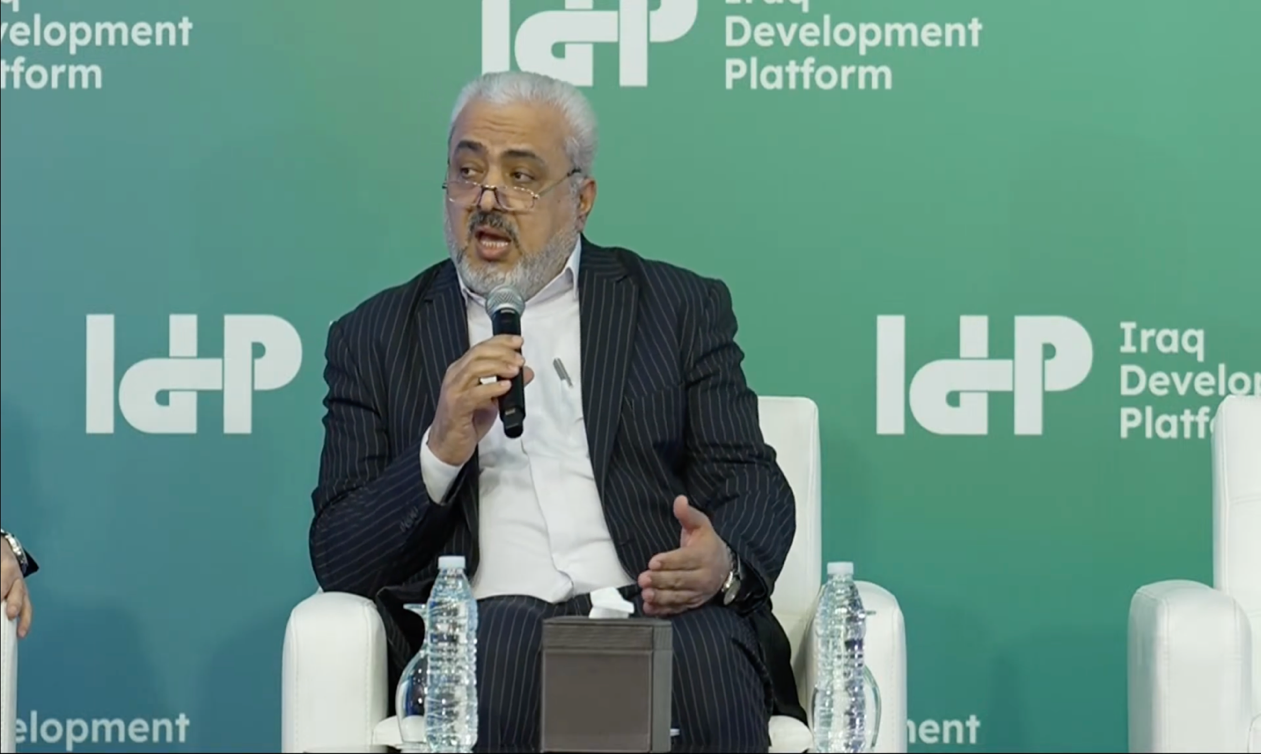 Khalaf pointed out that Iraq has partially fulfilled its international commitments related to emission reductions through self-funded projects. He also highlighted that the Iraqi Ministry of Oil is currently adopting an innovative approach by issuing carbon bonds as a mechanism to attract additional funding to support renewable energy projects, which are still under implementation.
He added that Iraq exports around 13% of its oil to the European Union, which enforces strict standards, particularly regarding methane gas concentration levels. If these levels increase, Iraqi oil could face challenges in continuing exports to European markets. Khalaf emphasised Iraq’s commitment to the Paris Climate Agreement and noted that the country has already started inventorying carbon and methane emissions. There are ongoing international partnerships with several global organisations and institutions in this field.
Khalaf stressed the need for a comprehensive national strategy and a collective state effort to address the energy file, mentioning that this issue has been submitted to the relevant government authorities, has received their approval, and is currently under study.
Regarding electricity supplies, Khalaf explained that the Ministry of Oil provides the Ministry of Electricity with approximately 200,000 barrels of oil per day, in addition to 10,000 cubic meters of liquefied gas. He confirmed that the Ministry has strategically stored large quantities of gas to ensure the availability of fuel for power plants. The Ministry currently produces 30,000 cubic meters of gas daily. In the event of any fuel shortages, gas oil is used as an alternative.
Khalaf also noted that Iraq is a victim of harmful emissions compared to other countries, with total annual emissions of about 200 million tons, representing only 0.6% of the total global emissions estimated at 36,000 million tons annually. He emphasised that Iraq should not bear the burden of addressing a problem for which it is not the primary cause.
In response to Al-Ansari’s question about whether Iraq has received any financial support from the approximately $300 billion globally allocated to reduce carbon emissions, Khalaf stated that the Ministry of Oil launched the first regional tender related to carbon bonds at the East Baghdad field. He also indicated that the Ministry follows a clear policy in the field of energy and emission reduction and maintains effective partnerships with multiple international entities.
Zaid Elyaseri, BP Country Manager in Iraq
In the same context, Mr. Zaid Elyaseri, Director of the British company BP in Iraq, pointed out that the world is gradually shifting toward a system focused on reducing carbon emissions, emphasising that this transition cannot be achieved without a clear strategy aimed at effectively lowering emissions.
He explained that BP is making significant efforts to reduce flaring caused by oil operations, in cooperation with government entities, as part of the move toward a more sustainable environment.
Khalaf pointed out that Iraq has partially fulfilled its international commitments related to emission reductions through self-funded projects. He also highlighted that the Iraqi Ministry of Oil is currently adopting an innovative approach by issuing carbon bonds as a mechanism to attract additional funding to support renewable energy projects, which are still under implementation.
He added that Iraq exports around 13% of its oil to the European Union, which enforces strict standards, particularly regarding methane gas concentration levels. If these levels increase, Iraqi oil could face challenges in continuing exports to European markets. Khalaf emphasised Iraq’s commitment to the Paris Climate Agreement and noted that the country has already started inventorying carbon and methane emissions. There are ongoing international partnerships with several global organisations and institutions in this field.
Khalaf stressed the need for a comprehensive national strategy and a collective state effort to address the energy file, mentioning that this issue has been submitted to the relevant government authorities, has received their approval, and is currently under study.
Regarding electricity supplies, Khalaf explained that the Ministry of Oil provides the Ministry of Electricity with approximately 200,000 barrels of oil per day, in addition to 10,000 cubic meters of liquefied gas. He confirmed that the Ministry has strategically stored large quantities of gas to ensure the availability of fuel for power plants. The Ministry currently produces 30,000 cubic meters of gas daily. In the event of any fuel shortages, gas oil is used as an alternative.
Khalaf also noted that Iraq is a victim of harmful emissions compared to other countries, with total annual emissions of about 200 million tons, representing only 0.6% of the total global emissions estimated at 36,000 million tons annually. He emphasised that Iraq should not bear the burden of addressing a problem for which it is not the primary cause.
In response to Al-Ansari’s question about whether Iraq has received any financial support from the approximately $300 billion globally allocated to reduce carbon emissions, Khalaf stated that the Ministry of Oil launched the first regional tender related to carbon bonds at the East Baghdad field. He also indicated that the Ministry follows a clear policy in the field of energy and emission reduction and maintains effective partnerships with multiple international entities.
Zaid Elyaseri, BP Country Manager in Iraq
In the same context, Mr. Zaid Elyaseri, Director of the British company BP in Iraq, pointed out that the world is gradually shifting toward a system focused on reducing carbon emissions, emphasising that this transition cannot be achieved without a clear strategy aimed at effectively lowering emissions.
He explained that BP is making significant efforts to reduce flaring caused by oil operations, in cooperation with government entities, as part of the move toward a more sustainable environment.
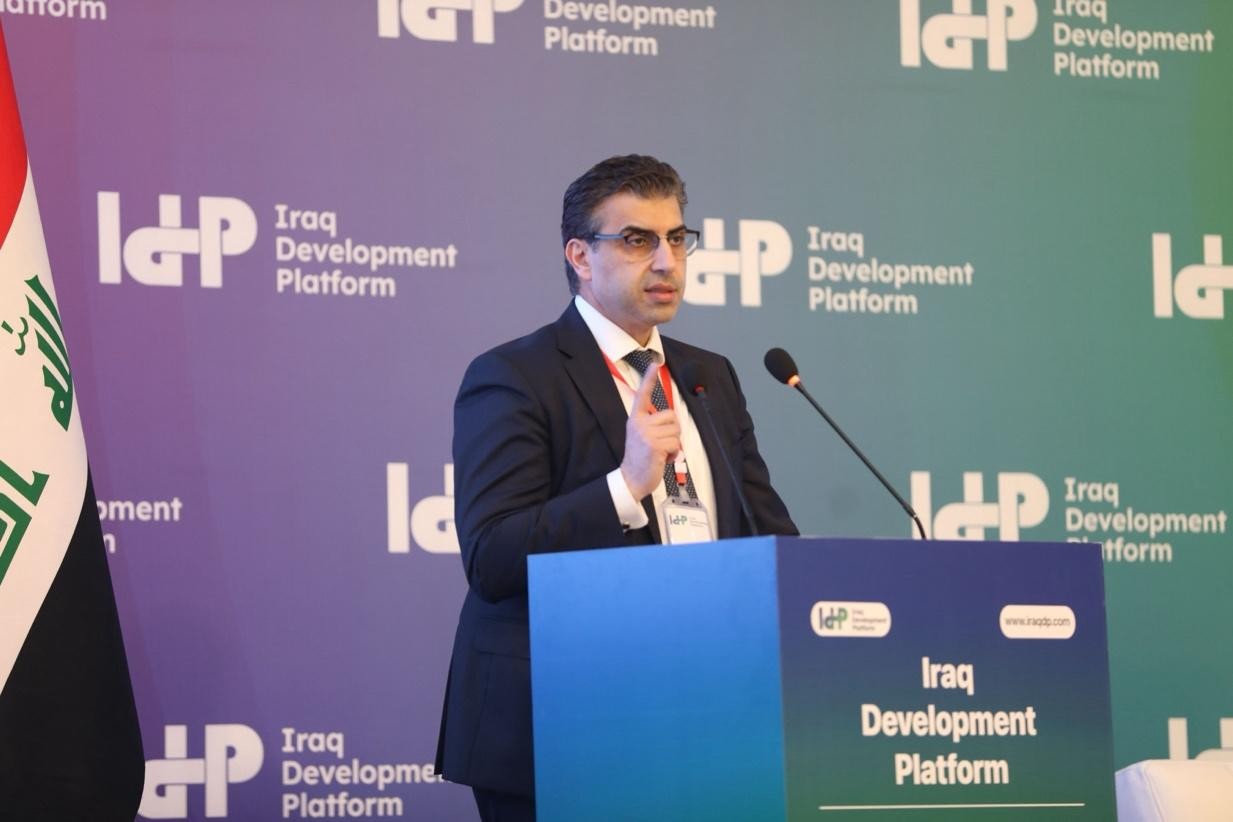 Elyaseri added that one of the company’s priorities in Iraq is to direct oil investment revenues toward developing clean energy projects, stressing that the shift to clean energy production requires effective partnerships with foreign companies, alongside leveraging modern expertise and technology to ensure the success of this transition. He noted that the current system, which relies on oil and gas, requires continuous investment in these resources to serve as a starting point for the desired transformation.
He also highlighted the urgent global need for renewable energy, stressing that the transition to a low-emission system must be methodical and well-studied. In this regard, BP continues to enhance its investments in low-emission energy projects, considering oil and gas as the foundation upon which this transition can be built.
Regarding cooperation with the Iraqi government, Elyaseri explained that BP has signed a memorandum of understanding with the Iraqi government to develop a number of oil fields, most notably the Baba Gurgur field in Kirkuk, along with other projects in the provinces of Sulaymaniyah, Basra, and Muthanna. He clarified that the company has a long history in these fields, which strengthens its ability to contribute to their development according to sustainability standards.
He pointed out that developing these fields will help create job opportunities and develop local competencies within national companies, in addition to reducing carbon emissions. He also emphasised the importance of raising awareness and educating people about the ongoing changes in the energy sector, especially regarding the transition to more sustainable energy sources.
Elyaseri praised the significant role played by the Rumaila Operating Organisation in supporting the company’s efforts, affirming that cooperation with the Ministry of Oil and national companies is a crucial factor in achieving Iraq’s goals in sustainable energy.
He concluded his speech by noting that the revenues from investments in fields such as Rumaila and others represent a strategic opportunity to accelerate the implementation of clean energy projects, emphasising that BP has laid the groundwork for discussing sustainable energy production in Iraq, and that achieving tangible results requires continuous support from global companies and advanced technology.
Elyaseri added that one of the company’s priorities in Iraq is to direct oil investment revenues toward developing clean energy projects, stressing that the shift to clean energy production requires effective partnerships with foreign companies, alongside leveraging modern expertise and technology to ensure the success of this transition. He noted that the current system, which relies on oil and gas, requires continuous investment in these resources to serve as a starting point for the desired transformation.
He also highlighted the urgent global need for renewable energy, stressing that the transition to a low-emission system must be methodical and well-studied. In this regard, BP continues to enhance its investments in low-emission energy projects, considering oil and gas as the foundation upon which this transition can be built.
Regarding cooperation with the Iraqi government, Elyaseri explained that BP has signed a memorandum of understanding with the Iraqi government to develop a number of oil fields, most notably the Baba Gurgur field in Kirkuk, along with other projects in the provinces of Sulaymaniyah, Basra, and Muthanna. He clarified that the company has a long history in these fields, which strengthens its ability to contribute to their development according to sustainability standards.
He pointed out that developing these fields will help create job opportunities and develop local competencies within national companies, in addition to reducing carbon emissions. He also emphasised the importance of raising awareness and educating people about the ongoing changes in the energy sector, especially regarding the transition to more sustainable energy sources.
Elyaseri praised the significant role played by the Rumaila Operating Organisation in supporting the company’s efforts, affirming that cooperation with the Ministry of Oil and national companies is a crucial factor in achieving Iraq’s goals in sustainable energy.
He concluded his speech by noting that the revenues from investments in fields such as Rumaila and others represent a strategic opportunity to accelerate the implementation of clean energy projects, emphasising that BP has laid the groundwork for discussing sustainable energy production in Iraq, and that achieving tangible results requires continuous support from global companies and advanced technology.
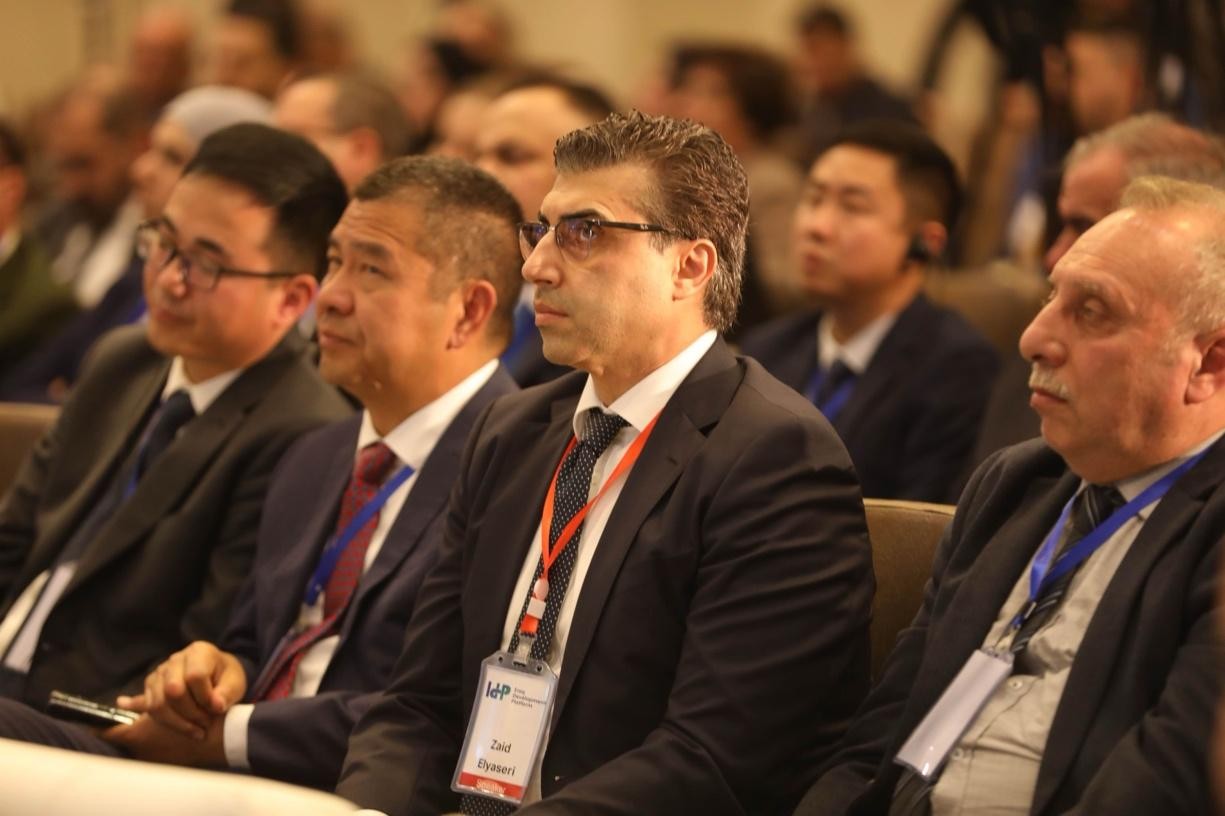 Session Conclusion
The transition toward renewable energy in Iraq still faces numerous challenges, foremost among them being political obstacles that hinder some agreements, particularly with companies operating in the energy sector. Participants in the session proposed unifying efforts and establishing coordinated collaboration between the federal government and the Kurdistan Regional Government, especially in dealings with major energy investors. This approach aims to support the pathway toward renewable energy and ensure a more sustainable future for Iraq’s energy sector.
Session Conclusion
The transition toward renewable energy in Iraq still faces numerous challenges, foremost among them being political obstacles that hinder some agreements, particularly with companies operating in the energy sector. Participants in the session proposed unifying efforts and establishing coordinated collaboration between the federal government and the Kurdistan Regional Government, especially in dealings with major energy investors. This approach aims to support the pathway toward renewable energy and ensure a more sustainable future for Iraq’s energy sector.
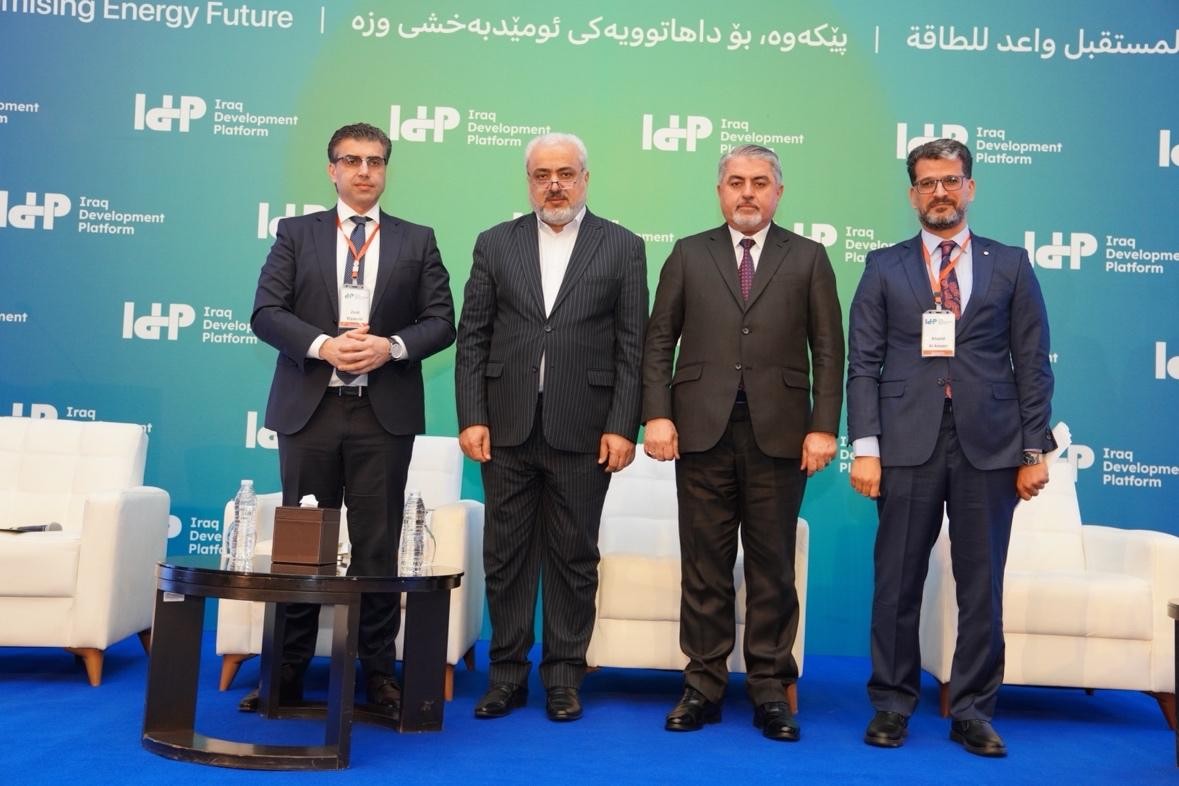
- Ali Al Alaq,Governor of Central Bank Iraq (CBI)
- Abdulrahman Al-Sheikhli,Financial Expert, Moderator
 Support Mechanisms
Al Alaq outlined the Central Bank’s support for renewable energy projects through:
Support Mechanisms
Al Alaq outlined the Central Bank’s support for renewable energy projects through:
- Direct support:Financing environmentally friendly projects directly.
- Indirect support:Creating a favourable economic and investment environment for clean energy initiatives.
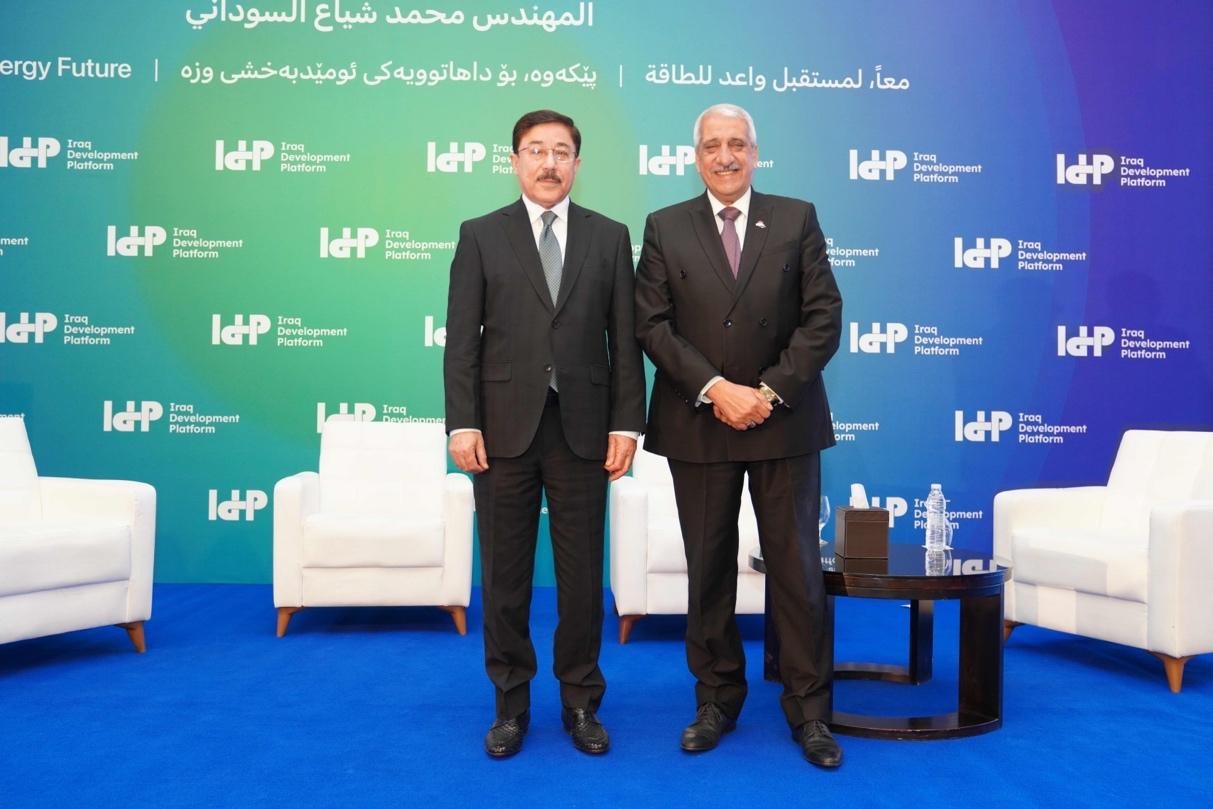
- Nasser Al-Asadi,Advisor to the Prime Minister for Transport Affairs
- Dana Hama Salih,Minister of Construction and Housing in the KRG
- Ahmed Al-Breihi,Member of the Board of Directors at the Central Bank of Iraq
- Abdul Rahman Al Mashhadani,Economic Expert, Moderatorr
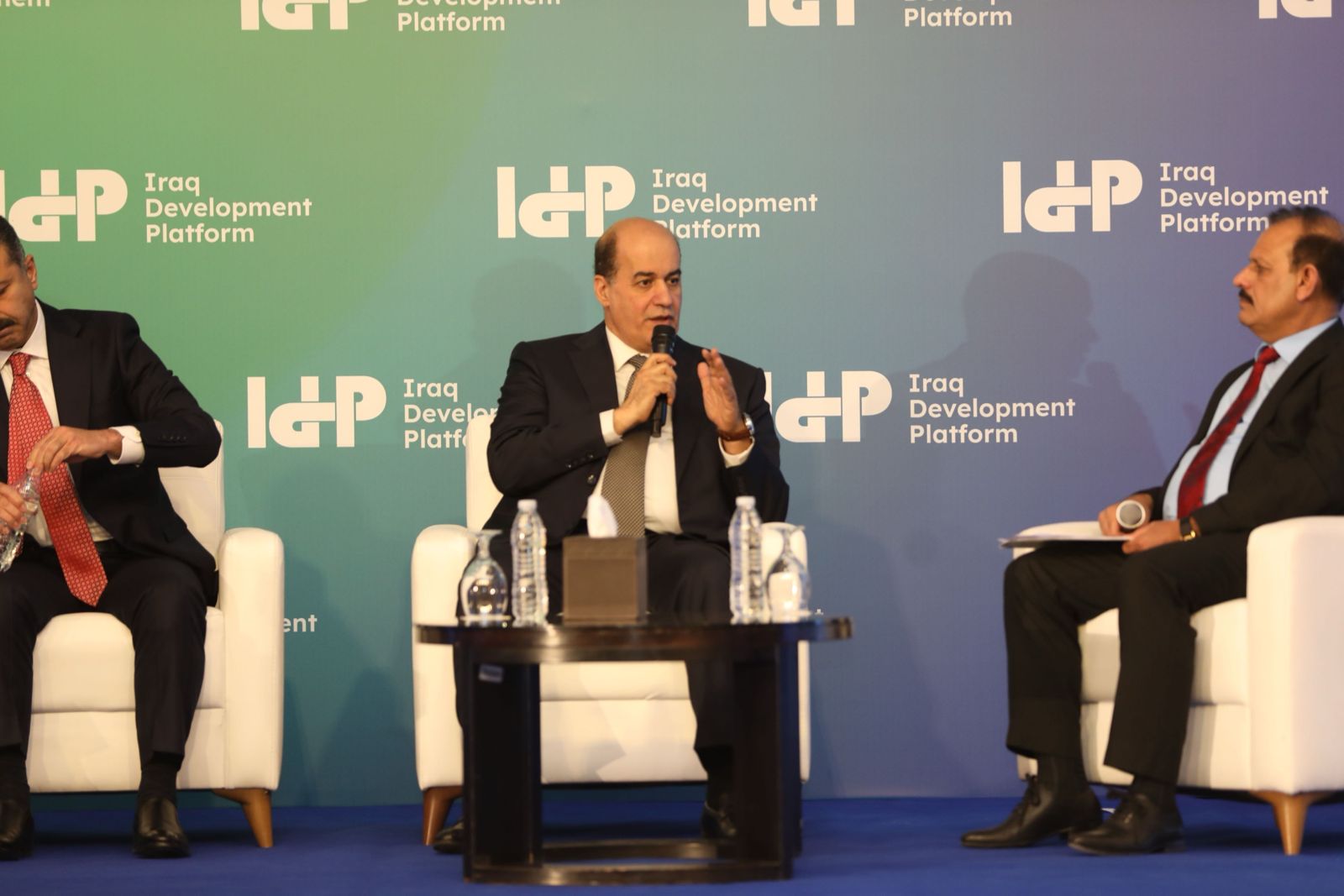 Al-Asadi described the Development Road Project as a significant strategic step toward building a modern Iraqi economy grounded in the principles of sustainable development, moving beyond the traditional rentier model. He noted that the project aligns with global economic shifts and is expected to generate substantial employment opportunities while establishing a new economic stream through investments in artificial intelligence and modern technology.
In response to an intervention by Mr. Dana Hama Salih, Minister of Construction and Housing in the Kurdistan Region, regarding the route of the Development Road, Al-Asadi clarified that the road’s path bypassing the Kurdistan Region is not politically motivated. Rather, it is a technical decision aimed at avoiding areas of congestion and challenging terrain. He added that the road also does not pass-through governorates such as Baghdad and Maysan, stressing that the route was selected based on precise technical and geographical studies that considered costs, topography, and slope, without any political considerations.
Al-Asadi explained that the Development Road will include a transport network extending over 2,000 kilometres, traversing multiple Iraqi provinces. This will contribute to infrastructure development and enhance connectivity between cities. He confirmed that all transport-related projects under this initiative will be environmentally friendly, in line with a governmental plan to reduce reliance on fossil-fuel-powered vehicles and promote sustainable transportation alternatives.
Al-Asadi described the Development Road Project as a significant strategic step toward building a modern Iraqi economy grounded in the principles of sustainable development, moving beyond the traditional rentier model. He noted that the project aligns with global economic shifts and is expected to generate substantial employment opportunities while establishing a new economic stream through investments in artificial intelligence and modern technology.
In response to an intervention by Mr. Dana Hama Salih, Minister of Construction and Housing in the Kurdistan Region, regarding the route of the Development Road, Al-Asadi clarified that the road’s path bypassing the Kurdistan Region is not politically motivated. Rather, it is a technical decision aimed at avoiding areas of congestion and challenging terrain. He added that the road also does not pass-through governorates such as Baghdad and Maysan, stressing that the route was selected based on precise technical and geographical studies that considered costs, topography, and slope, without any political considerations.
Al-Asadi explained that the Development Road will include a transport network extending over 2,000 kilometres, traversing multiple Iraqi provinces. This will contribute to infrastructure development and enhance connectivity between cities. He confirmed that all transport-related projects under this initiative will be environmentally friendly, in line with a governmental plan to reduce reliance on fossil-fuel-powered vehicles and promote sustainable transportation alternatives.
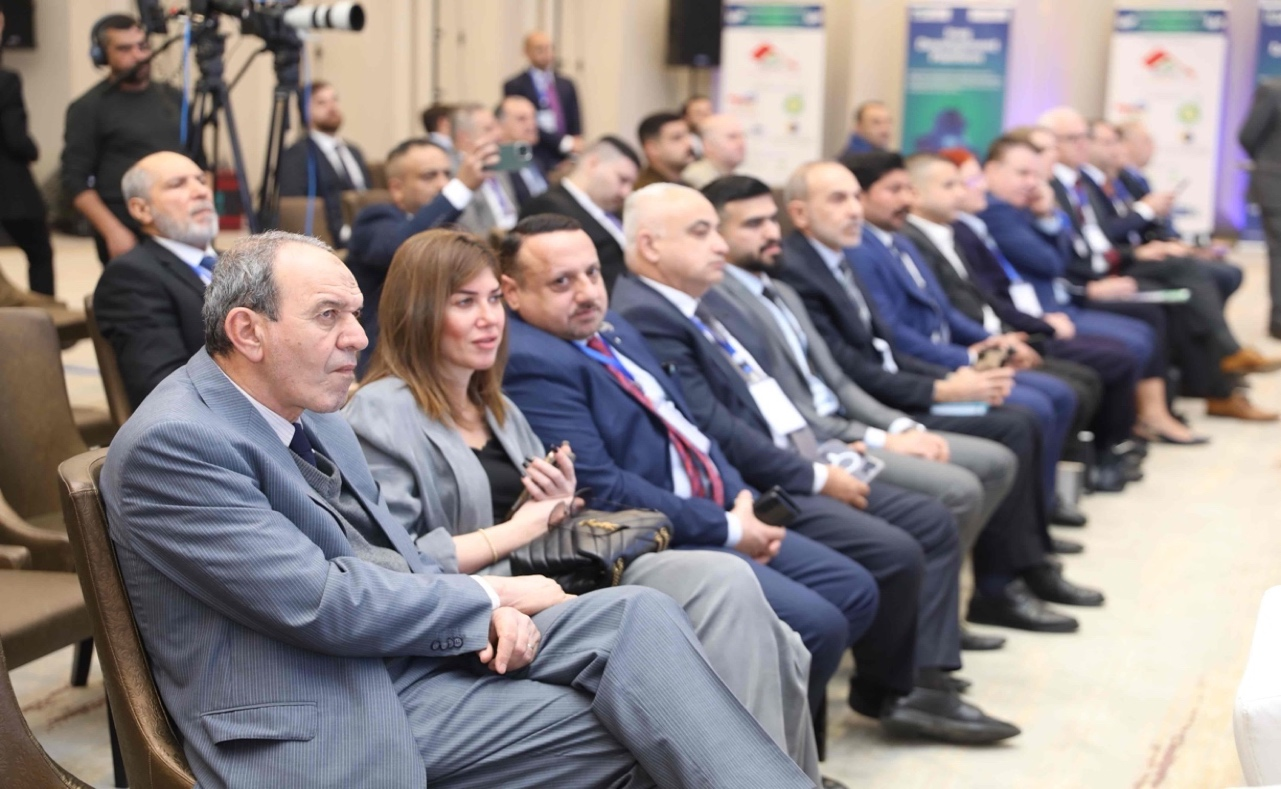 He further stated that the project goes beyond merely establishing industrial zones, it aims to create integrated economic cities, which will boost Iraq’s appeal to international investors and improve connections with regional and global markets. The current project design focuses on efficient, low-cost routes that facilitate transportation and support the development of advanced logistics networks.
Regarding the specific path of the Development Road, Al-Asadi stressed that it will not pass-through major cities such as Amarah, Kirkuk, or Baghdad. Instead, it will focus on creating new economic cities outside traditional urban centres.
He also rejected claims that the project marginalises the Kurdistan Region, confirming that Duhok Governorate will be among the areas served by the project.
Al-Asadi concluded by noting that the route was determined in collaboration with international experts, and in some areas, adjustments were made to minimise the impact on residential areas and existing projects. For example, the route was shifted five kilometres away from the city of Safwan in Basra to avoid directly affecting it.
Clean Energy Projects
In response to a question about clean energy in transport, Nasser Al-Asadi confirmed that all upcoming projects, including the Baghdad Metro and the Development Road, will be environmentally friendly and powered by electricity. He also highlighted the government's efforts to reduce imports of fossil-fuel vehicles and promote cleaner alternatives to cut emissions. Al-Asadi noted Iraq’s high per capita CO₂ emissions, calling it a serious threat requiring immediate action.
He concluded by framing the Development Road not just as an infrastructure initiative but as a strategic shift toward a sustainable, modern economy. He emphasised the government’s commitment to aligning the project with global trends in clean energy and transportation, moving beyond outdated economic models.
Dana Hama Salih, Minister of Construction and Housing in the KRG
In the same context, Mr. Dana Abdul-Karim Hama Salih, Minister of Construction and Housing in the Kurdistan Regional Government of Iraq, affirmed that the Development Road Project is a strategic initiative aimed at connecting Iraq to global markets, positioning the country as a vital corridor linking East and West. He explained that the project will significantly contribute to national stability, particularly through the implementation of effective governance mechanisms focused on combating corruption and reducing bureaucracy, thereby strengthening Iraq’s economic foundations.
Commenting on the current route of the Development Road Project, Minister Hama Salih voiced concerns over its exclusion of the Kurdistan Region, noting that this could limit the initiative’s economic benefits. He emphasised the region’s strategic industrial base, particularly Sulaymaniyah, which hosts over 2,000 factories. Including all regions of Iraq, including Kurdistan, would promote economic and social integration and ensure shared national benefits.
He further stated that the project goes beyond merely establishing industrial zones, it aims to create integrated economic cities, which will boost Iraq’s appeal to international investors and improve connections with regional and global markets. The current project design focuses on efficient, low-cost routes that facilitate transportation and support the development of advanced logistics networks.
Regarding the specific path of the Development Road, Al-Asadi stressed that it will not pass-through major cities such as Amarah, Kirkuk, or Baghdad. Instead, it will focus on creating new economic cities outside traditional urban centres.
He also rejected claims that the project marginalises the Kurdistan Region, confirming that Duhok Governorate will be among the areas served by the project.
Al-Asadi concluded by noting that the route was determined in collaboration with international experts, and in some areas, adjustments were made to minimise the impact on residential areas and existing projects. For example, the route was shifted five kilometres away from the city of Safwan in Basra to avoid directly affecting it.
Clean Energy Projects
In response to a question about clean energy in transport, Nasser Al-Asadi confirmed that all upcoming projects, including the Baghdad Metro and the Development Road, will be environmentally friendly and powered by electricity. He also highlighted the government's efforts to reduce imports of fossil-fuel vehicles and promote cleaner alternatives to cut emissions. Al-Asadi noted Iraq’s high per capita CO₂ emissions, calling it a serious threat requiring immediate action.
He concluded by framing the Development Road not just as an infrastructure initiative but as a strategic shift toward a sustainable, modern economy. He emphasised the government’s commitment to aligning the project with global trends in clean energy and transportation, moving beyond outdated economic models.
Dana Hama Salih, Minister of Construction and Housing in the KRG
In the same context, Mr. Dana Abdul-Karim Hama Salih, Minister of Construction and Housing in the Kurdistan Regional Government of Iraq, affirmed that the Development Road Project is a strategic initiative aimed at connecting Iraq to global markets, positioning the country as a vital corridor linking East and West. He explained that the project will significantly contribute to national stability, particularly through the implementation of effective governance mechanisms focused on combating corruption and reducing bureaucracy, thereby strengthening Iraq’s economic foundations.
Commenting on the current route of the Development Road Project, Minister Hama Salih voiced concerns over its exclusion of the Kurdistan Region, noting that this could limit the initiative’s economic benefits. He emphasised the region’s strategic industrial base, particularly Sulaymaniyah, which hosts over 2,000 factories. Including all regions of Iraq, including Kurdistan, would promote economic and social integration and ensure shared national benefits.
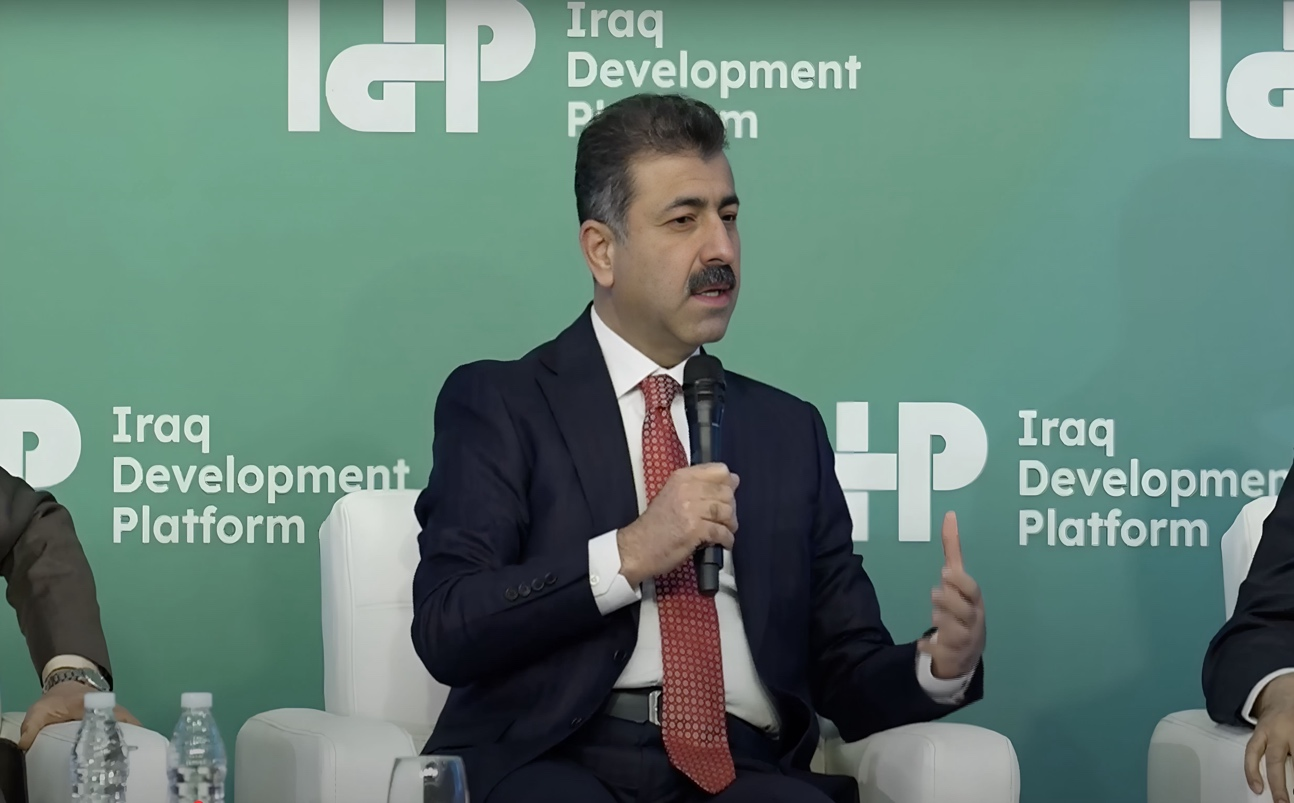 He highlighted the project’s potential to enhance infrastructure across Iraq and support the education sector through the development of specialised academic programmes in universities to prepare youth with future-relevant skills.
On the environmental front, Hama Salih stressed the importance of adopting eco-friendly technologies in the project to reduce carbon emissions, especially in light of growing climate challenges.
Geographically, he noted that the proposed route passes through areas with low population density, which may undermine its efficiency. He suggested rerouting the project through the eastern bank of the Tigris River, which offers flatter terrain and shorter distances, thereby improving connectivity between Kurdistan and other parts of Iraq.
Regarding coordination, Hama Salih stated that the Kurdistan Regional Government was not involved in determining the route and called for stronger cooperation with the federal government to ensure the project’s success. He underlined that the inclusion of the Kurdistan Region is a political decision that requires support from Baghdad to foster national unity and development.
In conclusion, he reaffirmed the Kurdistan Regional Government’s full support for the Development Road Project, describing it as a vital initiative to boost Iraq’s economy. He also underscored the Kurdistan Region’s role in agriculture and food security as part of a comprehensive development vision.
Ahmed Al-Breihi, Member of the Board of Directors at the Central Bank of Iraq
Economic Development as an Alternative Path
Mr. Ahmed Al-Breihi, Board Member at the Central Bank of Iraq, highlighted the urgent need to position Iraq among industrialised nations, stressing that industrialisation is key to sustainable economic growth. He noted that Iraq’s economic management is limited by a lack of effective tools, hampering long-term development efforts. Al-Breihi also criticised the country’s continued dependence on oil and the absence of a strong domestic productive base, warning that such reliance leaves Iraq vulnerable to global market fluctuations.
He highlighted the project’s potential to enhance infrastructure across Iraq and support the education sector through the development of specialised academic programmes in universities to prepare youth with future-relevant skills.
On the environmental front, Hama Salih stressed the importance of adopting eco-friendly technologies in the project to reduce carbon emissions, especially in light of growing climate challenges.
Geographically, he noted that the proposed route passes through areas with low population density, which may undermine its efficiency. He suggested rerouting the project through the eastern bank of the Tigris River, which offers flatter terrain and shorter distances, thereby improving connectivity between Kurdistan and other parts of Iraq.
Regarding coordination, Hama Salih stated that the Kurdistan Regional Government was not involved in determining the route and called for stronger cooperation with the federal government to ensure the project’s success. He underlined that the inclusion of the Kurdistan Region is a political decision that requires support from Baghdad to foster national unity and development.
In conclusion, he reaffirmed the Kurdistan Regional Government’s full support for the Development Road Project, describing it as a vital initiative to boost Iraq’s economy. He also underscored the Kurdistan Region’s role in agriculture and food security as part of a comprehensive development vision.
Ahmed Al-Breihi, Member of the Board of Directors at the Central Bank of Iraq
Economic Development as an Alternative Path
Mr. Ahmed Al-Breihi, Board Member at the Central Bank of Iraq, highlighted the urgent need to position Iraq among industrialised nations, stressing that industrialisation is key to sustainable economic growth. He noted that Iraq’s economic management is limited by a lack of effective tools, hampering long-term development efforts. Al-Breihi also criticised the country’s continued dependence on oil and the absence of a strong domestic productive base, warning that such reliance leaves Iraq vulnerable to global market fluctuations.
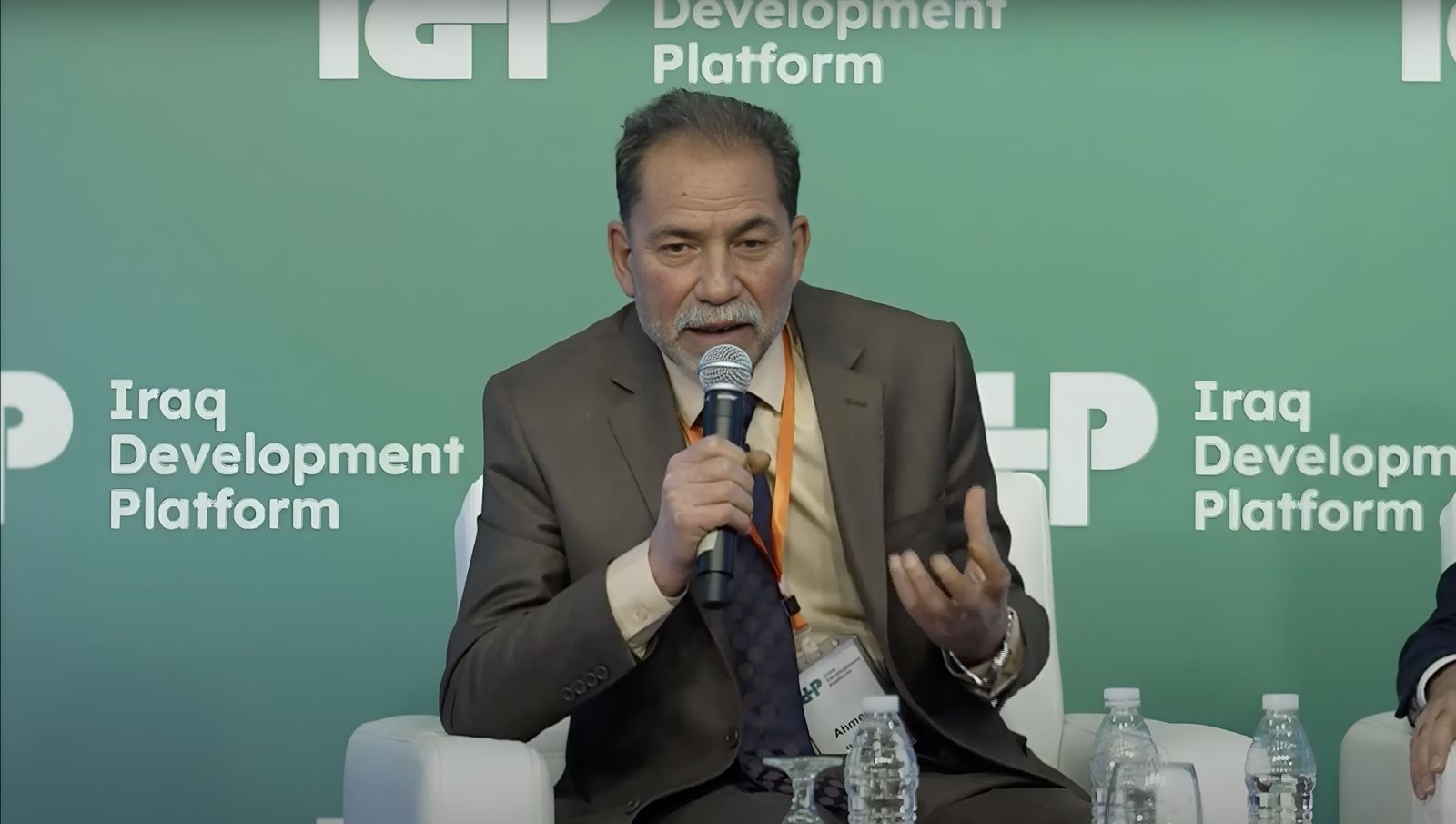 Ahmed Al-Breihi emphasised Iraq’s heavy dependence on a rentier economic model and the absence of a productive industrial sector. He called for a fundamental rethink of the economic paradigm, urging Iraq to follow global examples like Japan, the UK, and China, where industrialisation has driven sustainable growth.
He advocated for a national industrial strategy that balances oil revenues with economic diversification, warning of future oil price volatility. Al-Breihi stressed the need to strengthen the private sector by protecting it from bureaucratic interference and enabling it through supportive legislation—while maintaining a balanced role for the public sector.
He expressed concern over the dominance of public sector employment, with over 90% of Iraqis reliant on it, and called for building a more resilient, diversified economy.
In closing, the session highlighted the Development Road Project as a catalyst for establishing new economic hubs across Iraq. Participants stressed that inclusive planning, particularly involving the Kurdistan Region, is essential to ensuring broad-based, sustainable development.
Ahmed Al-Breihi emphasised Iraq’s heavy dependence on a rentier economic model and the absence of a productive industrial sector. He called for a fundamental rethink of the economic paradigm, urging Iraq to follow global examples like Japan, the UK, and China, where industrialisation has driven sustainable growth.
He advocated for a national industrial strategy that balances oil revenues with economic diversification, warning of future oil price volatility. Al-Breihi stressed the need to strengthen the private sector by protecting it from bureaucratic interference and enabling it through supportive legislation—while maintaining a balanced role for the public sector.
He expressed concern over the dominance of public sector employment, with over 90% of Iraqis reliant on it, and called for building a more resilient, diversified economy.
In closing, the session highlighted the Development Road Project as a catalyst for establishing new economic hubs across Iraq. Participants stressed that inclusive planning, particularly involving the Kurdistan Region, is essential to ensuring broad-based, sustainable development.
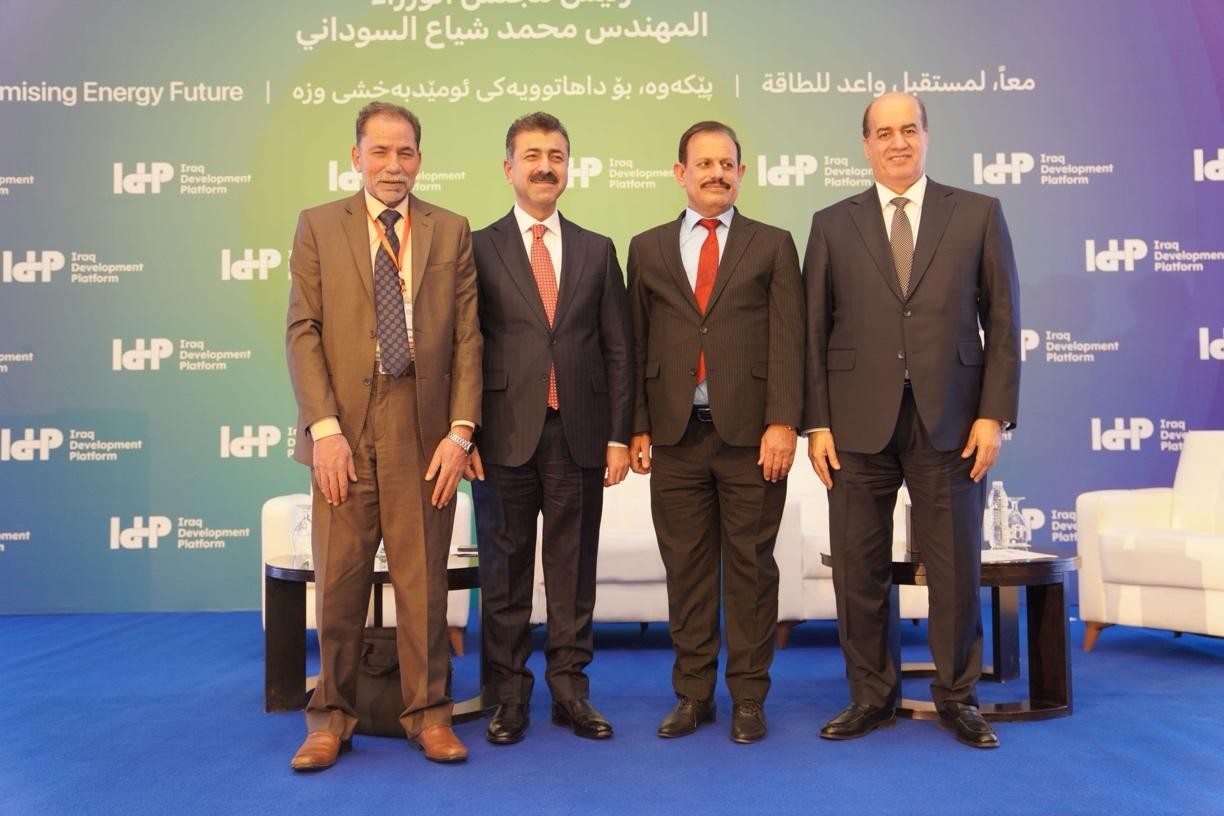
- Abduljabar Luaibi,Former Minister of Oil
- Ibrahim Bahr Al-Uloom,Former Minister of Oil
- Falah Alamri,Energy Affairs Advisor to the Prime Minister
- Abdulrahman Al-Sheikhli,Finance Expert, Moderato
 Luaibi noted that Iraq’s oil marketing strategies require significant improvement, highlighting the need for alignment between oil policies and global supply and demand dynamics. Despite having vast reserves, 520 oil blocks, Laibi stated that only 73 are currently being utilised, reflecting a major loss of opportunity due to poor planning and lack of effective organisation.
He remarked that Iraq is figuratively “floating on lakes of oil” but fails to adequately benefit from this wealth due to weak strategic planning.
He criticised the absence of a robust marketing strategy for petroleum products and contrasted Iraq’s outdated approach with Saudi Arabia’s 2030 strategy, which aims to export only 30% of crude oil while converting the rest into high-value products. Iraq, by contrast, continues to follow a traditional oil policy dating back to the 1950s, with only minor updates.
Luaibi called for oil policy to be treated as a national strategic issue, not confined to the Ministry of Oil, urging the involvement of various sectors to address complex challenges. He advocated for the use of international consultancies and expert firms to overhaul sector management.
He concluded that Iraq needs a comprehensive review of oil sector governance involving the government, parliament, and both local and international experts. He argued that boosting production alone is insufficient and called for stronger marketing and future-proof strategies amid shifting political dynamics. Laibi emphasised that Iraq’s oil policy hasn’t fundamentally changed since the 1960s, which reflects a disconnect between modern challenges and outdated tools.
Luaibi also criticised the rudimentary methods of oil production and marketing, urging a focus on strengthening local industry instead of over-relying on foreign licensing rounds. Laibi highlighted Iraq’s significant natural gas reserves, exceeding 250 billion cubic meters and potentially reaching 400 billion with continued exploration. He called for the establishment of a national gas company, modelled after successful international examples, to ensure the effective development of this vital resource.
Luaibi noted that Iraq’s oil marketing strategies require significant improvement, highlighting the need for alignment between oil policies and global supply and demand dynamics. Despite having vast reserves, 520 oil blocks, Laibi stated that only 73 are currently being utilised, reflecting a major loss of opportunity due to poor planning and lack of effective organisation.
He remarked that Iraq is figuratively “floating on lakes of oil” but fails to adequately benefit from this wealth due to weak strategic planning.
He criticised the absence of a robust marketing strategy for petroleum products and contrasted Iraq’s outdated approach with Saudi Arabia’s 2030 strategy, which aims to export only 30% of crude oil while converting the rest into high-value products. Iraq, by contrast, continues to follow a traditional oil policy dating back to the 1950s, with only minor updates.
Luaibi called for oil policy to be treated as a national strategic issue, not confined to the Ministry of Oil, urging the involvement of various sectors to address complex challenges. He advocated for the use of international consultancies and expert firms to overhaul sector management.
He concluded that Iraq needs a comprehensive review of oil sector governance involving the government, parliament, and both local and international experts. He argued that boosting production alone is insufficient and called for stronger marketing and future-proof strategies amid shifting political dynamics. Laibi emphasised that Iraq’s oil policy hasn’t fundamentally changed since the 1960s, which reflects a disconnect between modern challenges and outdated tools.
Luaibi also criticised the rudimentary methods of oil production and marketing, urging a focus on strengthening local industry instead of over-relying on foreign licensing rounds. Laibi highlighted Iraq’s significant natural gas reserves, exceeding 250 billion cubic meters and potentially reaching 400 billion with continued exploration. He called for the establishment of a national gas company, modelled after successful international examples, to ensure the effective development of this vital resource.
 Ibrahim Bahr Al-Uloom, Former Minister of Oil
Former Minister Mr. Ibrahim Bahr Al-Uloom outlined three key responsibilities of the Ministry of Oil: policymaking, regulation, and oversight. However, he stressed that execution should fall under the purview of a financially and administratively independent national oil company, which is currently lacking and lies at the heart of the sector’s dysfunction.
Despite some gaps, he acknowledged the ministry’s major achievements and international agreements, facilitated by the experience of nine successive oil ministers. He emphasised Iraq’s goal to fully utilise its natural gas resources (100%), stressing the need to grant full independence to the national oil company to implement the Ministry’s policies effectively.
Ibrahim Bahr Al-Uloom, Former Minister of Oil
Former Minister Mr. Ibrahim Bahr Al-Uloom outlined three key responsibilities of the Ministry of Oil: policymaking, regulation, and oversight. However, he stressed that execution should fall under the purview of a financially and administratively independent national oil company, which is currently lacking and lies at the heart of the sector’s dysfunction.
Despite some gaps, he acknowledged the ministry’s major achievements and international agreements, facilitated by the experience of nine successive oil ministers. He emphasised Iraq’s goal to fully utilise its natural gas resources (100%), stressing the need to grant full independence to the national oil company to implement the Ministry’s policies effectively.
 Bahr Al-Uloom advocated for strengthening Iraq’s position within OPEC+, and for innovating carbon management strategies aligned with global environmental challenges. He criticised the 2018 National Oil Company Law, citing significant legal gaps requiring urgent review by the government and parliament. He pointed out that Iraq remains the only country without an independent national oil company, which stifles sectoral development by centralising all powers within the Ministry.
He urged investment in human capital by training Iraqi oil professionals to meet international standards, enabling the country to manage its oil sector more effectively. He also emphasised Iraq’s strategic opportunity to join a regional gas transport network, linking Qatari gas through Iraq to Turkey and Europe, thereby elevating its regional and global standing.
On production, Bahr Al-Uloom noted that Iraq currently produces around 5 million barrels per day, below its full potential, and could increase output by 20% in the near future. He reiterated the need for the ministry to focus on planning and oversight, while implementation should rest with the national company. He also called for a restructured oil ministry to eliminate duplicated responsibilities among oil companies and boost operational efficiency.
Bahr Al-Uloom pointed out Iraq’s lack of harmonised oil policies, leading to confusion and ineffective execution of strategic goals. He called for Iraq to align its OPEC presence with coherent domestic strategies.
He referenced the 2020 oil price crisis, sparked by Saudi-Russian disagreements, as a lesson in the importance of unconventional carbon management strategies. He argued Iraq has major opportunities in the natural gas sector, which could position it as a regional gas hub, channelling Qatari gas to Europe.
On environmental issues, he affirmed Iraq’s commitment to its climate obligations and advocated for innovative solutions such as carbon capture and reinjection into oil reservoirs, especially in fields with limited water resources, such as the Mishrif formation stretching from Basra to Baghdad.
In closing, Bahr Al-Uloom emphasised the need for comprehensive restructuring of the oil ministry and warned against overlapping functions across oil companies, calling for bold new strategies to secure long-term economic growth.
Falah Alamri, Advisor to the Prime Minister on Oil Economics
Mr. Falah Alamri, Advisor to the Prime Minister for Oil Economy Affairs, acknowledged recent progress in refining and oil product distribution but expressed concern over Iraq’s long-term oil marketing prospects, especially with the global shift toward clean energy.
Bahr Al-Uloom advocated for strengthening Iraq’s position within OPEC+, and for innovating carbon management strategies aligned with global environmental challenges. He criticised the 2018 National Oil Company Law, citing significant legal gaps requiring urgent review by the government and parliament. He pointed out that Iraq remains the only country without an independent national oil company, which stifles sectoral development by centralising all powers within the Ministry.
He urged investment in human capital by training Iraqi oil professionals to meet international standards, enabling the country to manage its oil sector more effectively. He also emphasised Iraq’s strategic opportunity to join a regional gas transport network, linking Qatari gas through Iraq to Turkey and Europe, thereby elevating its regional and global standing.
On production, Bahr Al-Uloom noted that Iraq currently produces around 5 million barrels per day, below its full potential, and could increase output by 20% in the near future. He reiterated the need for the ministry to focus on planning and oversight, while implementation should rest with the national company. He also called for a restructured oil ministry to eliminate duplicated responsibilities among oil companies and boost operational efficiency.
Bahr Al-Uloom pointed out Iraq’s lack of harmonised oil policies, leading to confusion and ineffective execution of strategic goals. He called for Iraq to align its OPEC presence with coherent domestic strategies.
He referenced the 2020 oil price crisis, sparked by Saudi-Russian disagreements, as a lesson in the importance of unconventional carbon management strategies. He argued Iraq has major opportunities in the natural gas sector, which could position it as a regional gas hub, channelling Qatari gas to Europe.
On environmental issues, he affirmed Iraq’s commitment to its climate obligations and advocated for innovative solutions such as carbon capture and reinjection into oil reservoirs, especially in fields with limited water resources, such as the Mishrif formation stretching from Basra to Baghdad.
In closing, Bahr Al-Uloom emphasised the need for comprehensive restructuring of the oil ministry and warned against overlapping functions across oil companies, calling for bold new strategies to secure long-term economic growth.
Falah Alamri, Advisor to the Prime Minister on Oil Economics
Mr. Falah Alamri, Advisor to the Prime Minister for Oil Economy Affairs, acknowledged recent progress in refining and oil product distribution but expressed concern over Iraq’s long-term oil marketing prospects, especially with the global shift toward clean energy.
 He noted that Iraq would not face marketing issues in the next five years, but demand for fossil fuels is expected to decline, making natural gas the optimal future energy source. Alamri also referenced U.S. policy changes, such as its withdrawal from the Paris Agreement and increased oil drilling, which may save the U.S. economy a trillion dollars but could negatively impact Iraq’s.
Alamri emphasised that economic diversification must translate into tangible policies, pointing out that while Iraq increased production from 2.7 million barrels/day in 2016 to 4 million currently, with projections of 7 million, such growth is meaningless without proper marketing strategies. He called for coordinated efforts between the Ministries of Oil, Planning, Industry, and Finance to devise an effective international marketing strategy that responds to global trends.
He voiced particular concern over production and distribution sectors, stating they face challenges that require urgent attention. Al-Amri stressed that gas is the most viable future energy option for Iraq, offering higher efficiency and lower environmental impact compared to crude or heavy oil.
He urged rapid action toward renewable energy development, warning that Iraq will continue to import gas for at least seven more years unless domestic gas development is prioritised, especially to meet electricity sector demands. He described renewables as a strategic solution that complements oil production without reducing output, while addressing Iraq’s electricity crisis sustainably. Despite the challenges, Alamri saw clean energy as a promising path toward energy security and environmental protection.
Session Conclusion
The session concluded with the following key recommendations for reforming Iraq’s oil sector:
He noted that Iraq would not face marketing issues in the next five years, but demand for fossil fuels is expected to decline, making natural gas the optimal future energy source. Alamri also referenced U.S. policy changes, such as its withdrawal from the Paris Agreement and increased oil drilling, which may save the U.S. economy a trillion dollars but could negatively impact Iraq’s.
Alamri emphasised that economic diversification must translate into tangible policies, pointing out that while Iraq increased production from 2.7 million barrels/day in 2016 to 4 million currently, with projections of 7 million, such growth is meaningless without proper marketing strategies. He called for coordinated efforts between the Ministries of Oil, Planning, Industry, and Finance to devise an effective international marketing strategy that responds to global trends.
He voiced particular concern over production and distribution sectors, stating they face challenges that require urgent attention. Al-Amri stressed that gas is the most viable future energy option for Iraq, offering higher efficiency and lower environmental impact compared to crude or heavy oil.
He urged rapid action toward renewable energy development, warning that Iraq will continue to import gas for at least seven more years unless domestic gas development is prioritised, especially to meet electricity sector demands. He described renewables as a strategic solution that complements oil production without reducing output, while addressing Iraq’s electricity crisis sustainably. Despite the challenges, Alamri saw clean energy as a promising path toward energy security and environmental protection.
Session Conclusion
The session concluded with the following key recommendations for reforming Iraq’s oil sector:
- Full investment in natural gas as a sustainable and alternative revenue stream to oil.
- Reform of the National Oil Company Law to ensure its financial and administrative independence.
- Implementation of international marketing strategies for Iraqi oil, with support from global consulting firms.
- Support for private sector participation in energy development through improved investment frameworks.
- Adoption of balanced environmental policies that allow Iraq to adapt to climate change without compromising its oil economy.
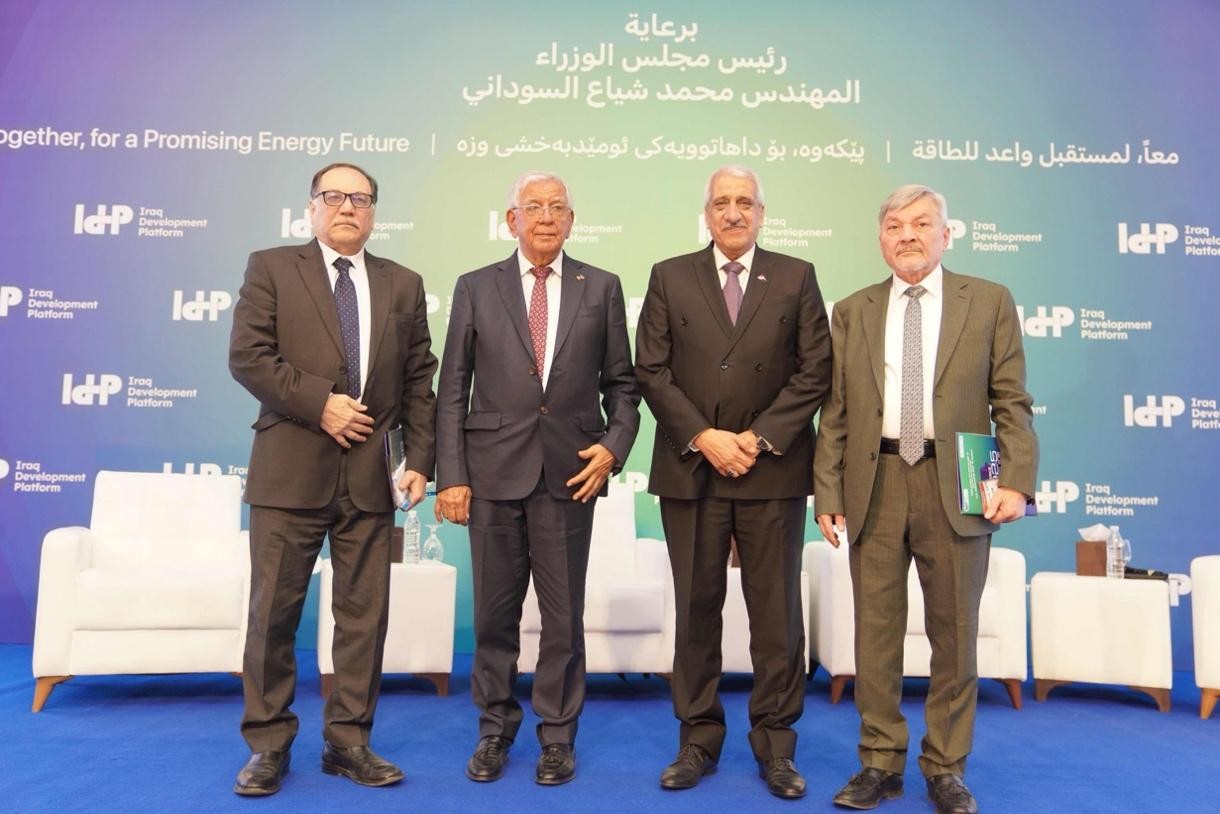
- Ghulam Isaczai, Deputy Special Rep. of the UN Secretary-General for Iraq
- Bahaa Ansaf, President of the University of Baghdad
- Dunia Chalabi, Country Director, TotalEnergies Iraq
- Hassan Al-Khatib, Moderator, Digital Transformation Advisor to the Prime Minister
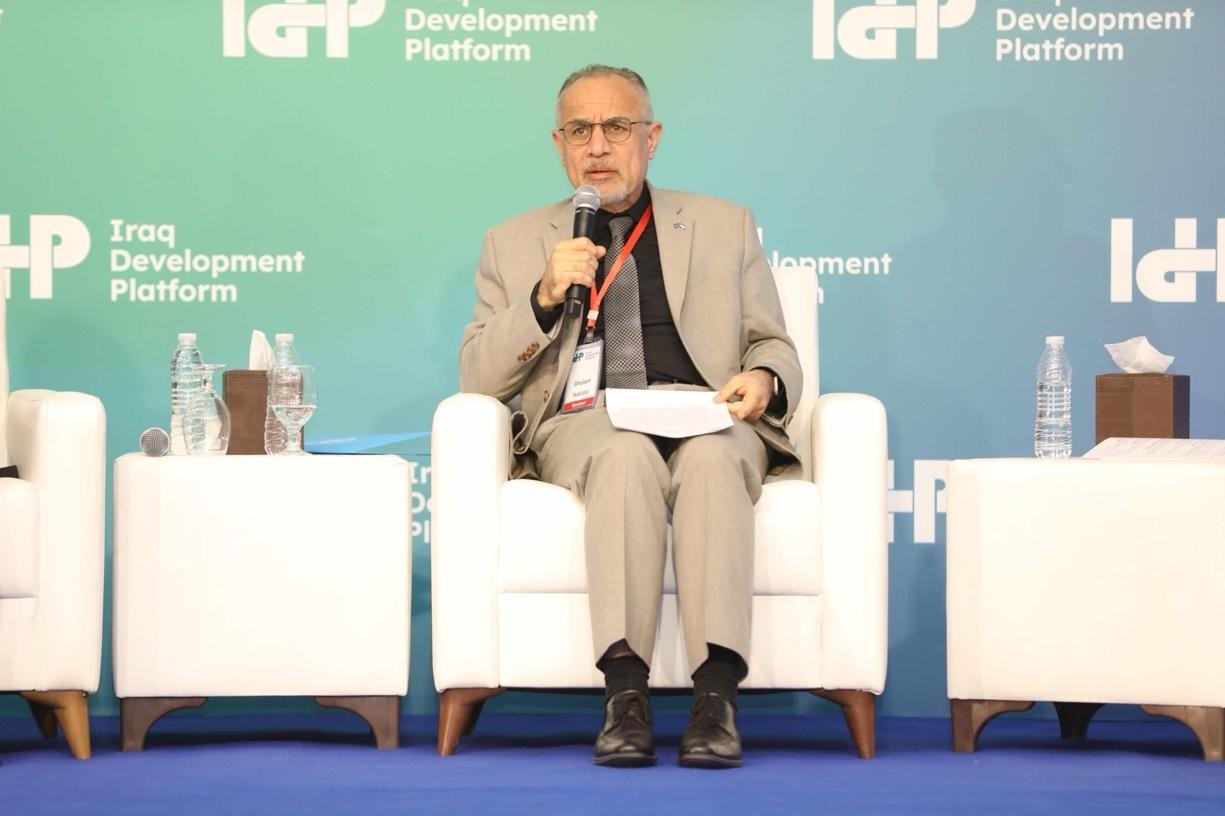 Ghulam Isaczai emphasised the importance of the Global Digital Compact as a critical framework to support countries like Iraq in leveraging technology for sustainable development. He noted that the UN is helping Iraq implement this compact by promoting digital transformation and improving energy efficiency through technology.
The UN operates under a five-year cooperation framework with Iraq, with a strong emphasis on climate change and environmental sustainability. Iraq has already begun executing its National Adaptation Plan, developed with UN support, and is working on a Green Growth Strategy and Green Transformation Policy to reduce environmental harm and shift toward clean energy.
Despite being active in Iraq for over 40 years, the role of the UN and its 22 agencies often goes unrecognised. Agencies such as WHO and WFP are partnering with Iraqi ministries to enhance healthcare, food security, and trade, particularly through digital innovation.
Isaczai noted that around 70% of UN agencies in Iraq are engaged in tech-based projects, presenting major opportunities for the country to embrace renewable energy and digital solutions to cut carbon emissions.
He outlined the UN’s support across three main areas: policy and regulation, capacity building, and local implementation. A key example is the UN’s contribution to the National Adaptation Plan, essential for Iraq’s green development agenda.
Addressing Iraq’s challenges, Isaczai stressed the country’s weak regulatory and policy framework, which hinders progress. He emphasised that effective technological adoption demands a clear vision and strong financial planning. Iraq must diversify its funding sources beyond oil to overcome decades of underinvestment and conflict.
He concluded by identifying the energy sector as the most urgent area in need of large-scale investment and international cooperation.
Dr. Bahaa Ansaf, President of the University of Baghdad
Leadership, Innovation, and the Role of Universities
Responding to a question about collaboration between academia and the energy sector, University of Baghdad’s President Mr. Baha Kadhim Ansaf acknowledged that Iraq has only recently begun taking concrete steps to develop its energy sector, lagging behind other nations with decades of progress. He emphasised that global energy innovation has historically been driven by government investment and incentive programmes.
Ghulam Isaczai emphasised the importance of the Global Digital Compact as a critical framework to support countries like Iraq in leveraging technology for sustainable development. He noted that the UN is helping Iraq implement this compact by promoting digital transformation and improving energy efficiency through technology.
The UN operates under a five-year cooperation framework with Iraq, with a strong emphasis on climate change and environmental sustainability. Iraq has already begun executing its National Adaptation Plan, developed with UN support, and is working on a Green Growth Strategy and Green Transformation Policy to reduce environmental harm and shift toward clean energy.
Despite being active in Iraq for over 40 years, the role of the UN and its 22 agencies often goes unrecognised. Agencies such as WHO and WFP are partnering with Iraqi ministries to enhance healthcare, food security, and trade, particularly through digital innovation.
Isaczai noted that around 70% of UN agencies in Iraq are engaged in tech-based projects, presenting major opportunities for the country to embrace renewable energy and digital solutions to cut carbon emissions.
He outlined the UN’s support across three main areas: policy and regulation, capacity building, and local implementation. A key example is the UN’s contribution to the National Adaptation Plan, essential for Iraq’s green development agenda.
Addressing Iraq’s challenges, Isaczai stressed the country’s weak regulatory and policy framework, which hinders progress. He emphasised that effective technological adoption demands a clear vision and strong financial planning. Iraq must diversify its funding sources beyond oil to overcome decades of underinvestment and conflict.
He concluded by identifying the energy sector as the most urgent area in need of large-scale investment and international cooperation.
Dr. Bahaa Ansaf, President of the University of Baghdad
Leadership, Innovation, and the Role of Universities
Responding to a question about collaboration between academia and the energy sector, University of Baghdad’s President Mr. Baha Kadhim Ansaf acknowledged that Iraq has only recently begun taking concrete steps to develop its energy sector, lagging behind other nations with decades of progress. He emphasised that global energy innovation has historically been driven by government investment and incentive programmes.
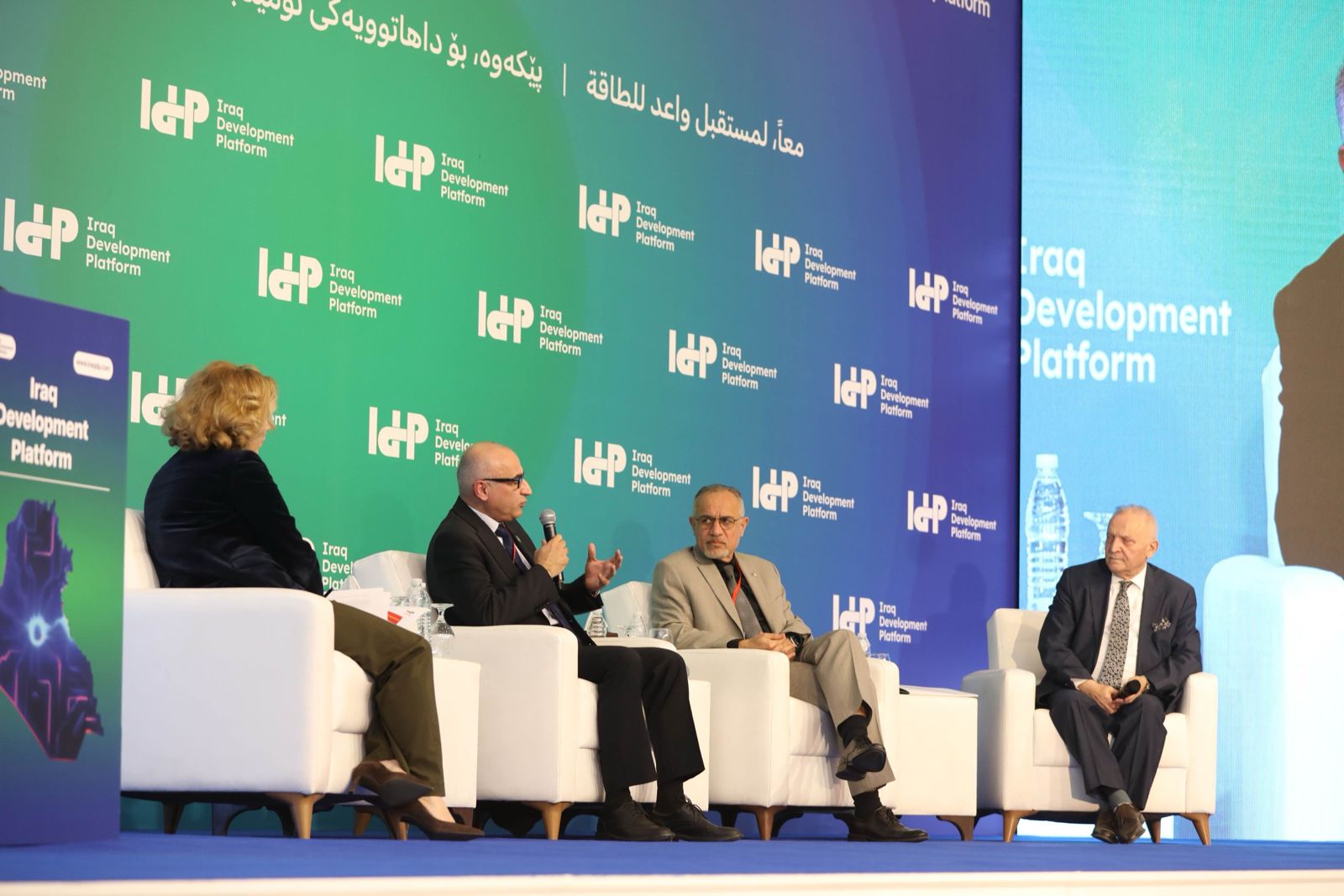 Ansaf urged the Iraqi government to treat universities and research centres as essential partners in technological advancement, on par with major infrastructure investments like oil refineries. He highlighted that the University of Baghdad is particularly focused on the energy sector, hosting a specialised department with leading researchers engaged in advanced studies. The university also maintains ongoing collaboration with ministries and relevant authorities to develop scientific and technical solutions for sector challenges.
He argued for a targeted approach, concentrating efforts on a single priority area such as renewable energy, rather than diluting them across multiple fronts. According to Ansaf, success in fields like AI and renewable energy depends first and foremost on reliable and sustainable energy sources.
He stressed that entrepreneurship and innovation are critical pillars for sustainable development. Without a culture of innovation, progress would stall, and Iraq would struggle to keep pace with global advancements. He cited the U.S. as a successful model where flexible legal systems, strong infrastructure, and an innovation-driven culture have empowered significant progress.
Ansaf called on the Iraqi government to give universities the same level of attention as heavy industries. He advocated for education reform as part of a national strategy to foster innovation and entrepreneurship and urged Iraqi universities to adopt the "Fourth Generation" model, integrating academic education, scientific research, community service, and direct engagement with labour market needs.
He also proposed the creation of a comprehensive digital ecosystem within universities to enhance efficiency, save time, and enable students and faculty to innovate beyond traditional methods. Ansaf concluded by reaffirming that developing the energy sector must remain a national priority, with Baghdad University contributing through scientific expertise and institutional partnerships. Empowering youth through education, training, and technology is essential to preparing future leaders capable of rebuilding and advancing Iraq.
Dunia Chalabi, Country Director, TotalEnergies Iraq
TotalEnergies and Renewable Energy Initiatives in Iraq
Dunia Chalabi, Country Director of TotalEnergies in Iraq, highlighted the company’s projects supporting Iraq’s energy transition. She outlined a comprehensive initiative focusing on environmental protection through renewable energy generation, particularly solar power. The project also includes desalination of seawater for human use and purification of freshwater supplies, reflecting the company’s commitment to sustainability and water infrastructure development.
Ansaf urged the Iraqi government to treat universities and research centres as essential partners in technological advancement, on par with major infrastructure investments like oil refineries. He highlighted that the University of Baghdad is particularly focused on the energy sector, hosting a specialised department with leading researchers engaged in advanced studies. The university also maintains ongoing collaboration with ministries and relevant authorities to develop scientific and technical solutions for sector challenges.
He argued for a targeted approach, concentrating efforts on a single priority area such as renewable energy, rather than diluting them across multiple fronts. According to Ansaf, success in fields like AI and renewable energy depends first and foremost on reliable and sustainable energy sources.
He stressed that entrepreneurship and innovation are critical pillars for sustainable development. Without a culture of innovation, progress would stall, and Iraq would struggle to keep pace with global advancements. He cited the U.S. as a successful model where flexible legal systems, strong infrastructure, and an innovation-driven culture have empowered significant progress.
Ansaf called on the Iraqi government to give universities the same level of attention as heavy industries. He advocated for education reform as part of a national strategy to foster innovation and entrepreneurship and urged Iraqi universities to adopt the "Fourth Generation" model, integrating academic education, scientific research, community service, and direct engagement with labour market needs.
He also proposed the creation of a comprehensive digital ecosystem within universities to enhance efficiency, save time, and enable students and faculty to innovate beyond traditional methods. Ansaf concluded by reaffirming that developing the energy sector must remain a national priority, with Baghdad University contributing through scientific expertise and institutional partnerships. Empowering youth through education, training, and technology is essential to preparing future leaders capable of rebuilding and advancing Iraq.
Dunia Chalabi, Country Director, TotalEnergies Iraq
TotalEnergies and Renewable Energy Initiatives in Iraq
Dunia Chalabi, Country Director of TotalEnergies in Iraq, highlighted the company’s projects supporting Iraq’s energy transition. She outlined a comprehensive initiative focusing on environmental protection through renewable energy generation, particularly solar power. The project also includes desalination of seawater for human use and purification of freshwater supplies, reflecting the company’s commitment to sustainability and water infrastructure development.
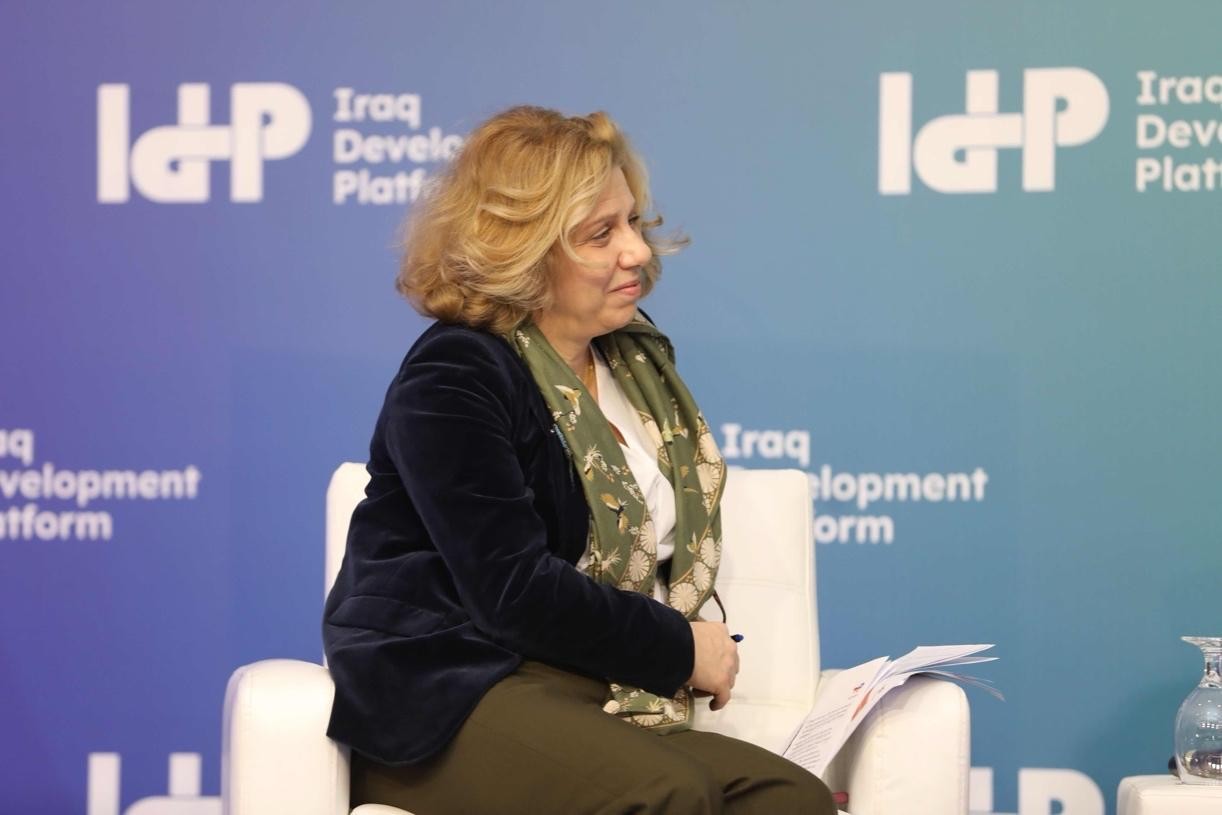 Chalabi stated that TotalEnergies has already started integrating clean energy into its Iraq operations and plans to produce 250 megawatts of solar power by the end of the year, with expansion plans underway. She emphasised the company’s commitment to reducing carbon emissions from combustion processes as part of a gradual shift to environmentally friendly energy, aligning with global climate goals.
She noted that several Iraqi institutions and banks have taken steps to reduce their carbon footprint by supporting projects focused on environmental sustainability and clean energy. In parallel, the UN and Iraqi government have launched initiatives aimed at a long-term strategic transition toward renewable energy sources.
TotalEnergies, she added, utilises cutting-edge technology in its Iraq projects and adheres to timelines consistent with national energy plans. The company also invests in training programmes and workshops to build local capacity, enhancing performance and fostering reliance on Iraqi talent.
Chalabi emphasised Iraq’s strong potential for renewable energy investment, given its young and capable workforce. She underlined the need to invest in education and training to equip Iraqi youth with the skills needed to drive this vital sector forward. Iraqi professionals, she noted, have demonstrated rapid learning abilities, enabling them to achieve tangible results in sustainable energy development.
On the topic of environmental transformation, Chalabi reiterated that TotalEnergies is a leader in implementing green initiatives in Iraq. She pointed out that climate challenges transcend national borders and require urgent, coordinated action to protect the environment and ensure a secure future for coming generations.
She concluded by emphasising the importance of advancing sustainable energy projects and integrating education and training as core components for achieving both environmental and economic sustainability in Iraq.
Challenges and Future Opportunities
The session concluded with a discussion of the primary challenges hindering Iraq’s energy transition, including inadequate infrastructure, weak investment legislation, and economic volatility, all of which impact the efficiency and speed of implementing renewable energy projects.
Participants stressed the need for a favourable investment climate through enhanced public-private partnerships and stronger cooperation with international institutions to ensure smooth and effective energy transition processes.
The consensus was clear: the future of Iraq’s energy sector relies on collaborative efforts from all stakeholders, government, academia, international companies, and UN organisations. Investing in advanced technologies and renewable energy is the most viable path toward sustainable development and reducing reliance on fossil fuels.
The session also underscored the importance of establishing clear regulatory frameworks for renewable energy investments and providing institutional and financial support for research projects that can deliver practical solutions to the sector’s pressing challenges.
Chalabi stated that TotalEnergies has already started integrating clean energy into its Iraq operations and plans to produce 250 megawatts of solar power by the end of the year, with expansion plans underway. She emphasised the company’s commitment to reducing carbon emissions from combustion processes as part of a gradual shift to environmentally friendly energy, aligning with global climate goals.
She noted that several Iraqi institutions and banks have taken steps to reduce their carbon footprint by supporting projects focused on environmental sustainability and clean energy. In parallel, the UN and Iraqi government have launched initiatives aimed at a long-term strategic transition toward renewable energy sources.
TotalEnergies, she added, utilises cutting-edge technology in its Iraq projects and adheres to timelines consistent with national energy plans. The company also invests in training programmes and workshops to build local capacity, enhancing performance and fostering reliance on Iraqi talent.
Chalabi emphasised Iraq’s strong potential for renewable energy investment, given its young and capable workforce. She underlined the need to invest in education and training to equip Iraqi youth with the skills needed to drive this vital sector forward. Iraqi professionals, she noted, have demonstrated rapid learning abilities, enabling them to achieve tangible results in sustainable energy development.
On the topic of environmental transformation, Chalabi reiterated that TotalEnergies is a leader in implementing green initiatives in Iraq. She pointed out that climate challenges transcend national borders and require urgent, coordinated action to protect the environment and ensure a secure future for coming generations.
She concluded by emphasising the importance of advancing sustainable energy projects and integrating education and training as core components for achieving both environmental and economic sustainability in Iraq.
Challenges and Future Opportunities
The session concluded with a discussion of the primary challenges hindering Iraq’s energy transition, including inadequate infrastructure, weak investment legislation, and economic volatility, all of which impact the efficiency and speed of implementing renewable energy projects.
Participants stressed the need for a favourable investment climate through enhanced public-private partnerships and stronger cooperation with international institutions to ensure smooth and effective energy transition processes.
The consensus was clear: the future of Iraq’s energy sector relies on collaborative efforts from all stakeholders, government, academia, international companies, and UN organisations. Investing in advanced technologies and renewable energy is the most viable path toward sustainable development and reducing reliance on fossil fuels.
The session also underscored the importance of establishing clear regulatory frameworks for renewable energy investments and providing institutional and financial support for research projects that can deliver practical solutions to the sector’s pressing challenges.
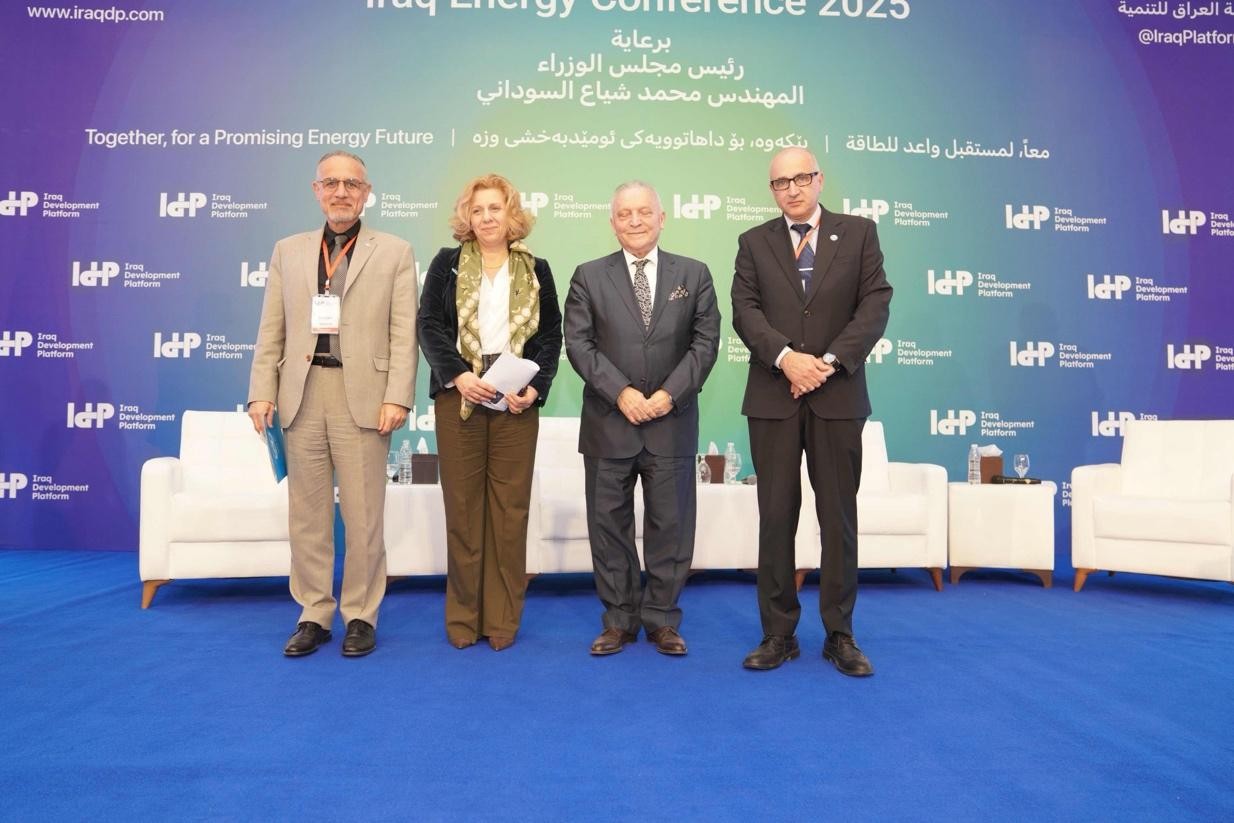
- Ziyad Fadel,Minister of Electricity of Iraq
- Khalid Al-Ansari,Journalist, Moderator
- Achieving Energy Self-Sufficiency Fuel supply remains the greatest obstacle, with 70% of Iraq’s power plants dependent on traditional fuels. The ministry is working to expand the use of associated petroleum gas and domestically sourced natural gas. Projects currently underway are expected to add 3,800 MW in generation capacity, along with 2,800 MW from renewable energy sources.
- Regional Integration and Investment Iraq has signed key agreements, including one with TotalEnergies to supply 1,000 MW and another upcoming deal with the UAE’s Masdar for an additional 1,000 MW. These partnerships support Iraq’s broader efforts to strengthen interconnections with neighbouring countries, such as Jordan and Turkey, to stabilise the national grid.
- Reducing Dependency on Imported Gas Iraq’s reliance on Iranian gas poses a significant risk to energy security. The ministry is exploring the creation of a gas transit platform through Iraq to diversify import sources and reduce exposure to geopolitical risks.
- Expanding Thermal Power Generation The ministry plans to add 30,000 MW over the next five years, roughly 3,000 MW annually, through investments in thermal power. Despite the scale of this effort, Fadel acknowledged that it still falls short of meeting the country’s fast-growing electricity demand.
- Distribution Network Constraints While generation capacity has improved, the distribution network remains a major bottleneck. Peak summer demand has reached 48,000 MW, compared to a current supply capacity of around 28,000 MW. Demand could rise to 50,000–55,000 MW this summer, with no significant increase in supply expected. Fadel stressed the need to complete infrastructure upgrades and enhance regional power-sharing arrangements to better balance supply across provinces.
- Promoting Energy Conservation Minister Fadel emphasised the importance of fostering a culture of energy conservation among the public. Raising awareness about responsible consumption, especially during peak periods, is essential to improving distribution efficiency and ensuring long-term sustainability.
- Collaboration with International Partners The ministry is working closely with international firms, including the UAE-based Crescent Petroleum, to secure surplus gas for power generation. Such partnerships are vital for boosting energy security, diversifying fuel sources, and enhancing overall system reliability.
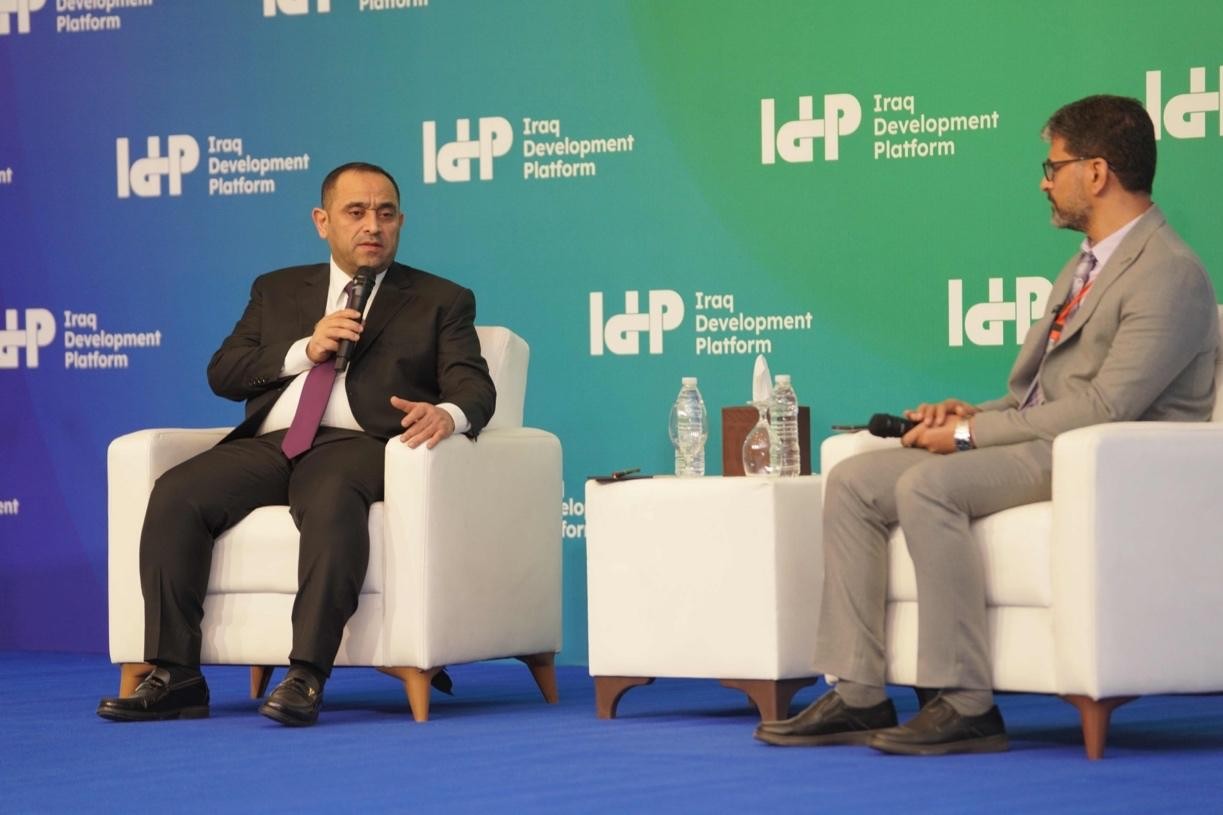
 Electricity Sector: Challenges and Opportunities
Key Challenges:
Electricity Sector: Challenges and Opportunities
Key Challenges:
- Fuel Supply Constraints:Continued dependence on traditional fuels limits sustainability.
- Reliance on Iranian Gas:Political and economic volatility makes this dependency risky.
- Soaring Demand:Rapidly increasing demand continues to outstrip available supply.
- Cross-Border Grid Integration:Strengthening ties with regional power networks can improve grid reliability.
- Domestic Resource Utilisation:Tapping into local gas reserves helps reduce import dependency.
- Modernizing Power Plants:Upgrading thermal stations and incorporating new technologies can enhance efficiency and reduce environmental impact.
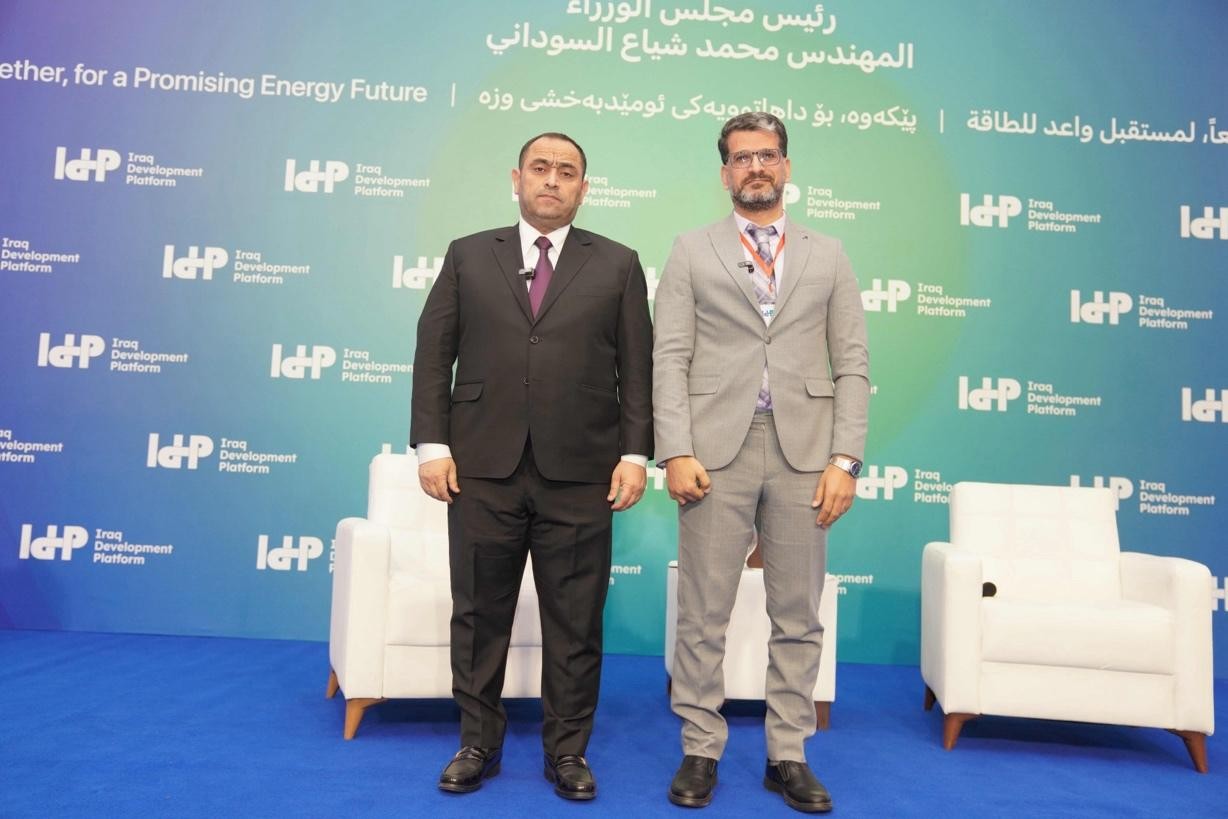
- Mohammed Al-Abed Rabba,Chairman of the Parliamentary Committee of Electricity & Energy
- Adel Ahmed,Deputy Minister of Electricity for Production Affairs
- Abdul-Hamza Aboud,Advisor to the Ministry of Electricity
- Rasheed Al-Janabi,President of General Electric in Iraq
- Idris Jawad,Journalist, Session Moderator
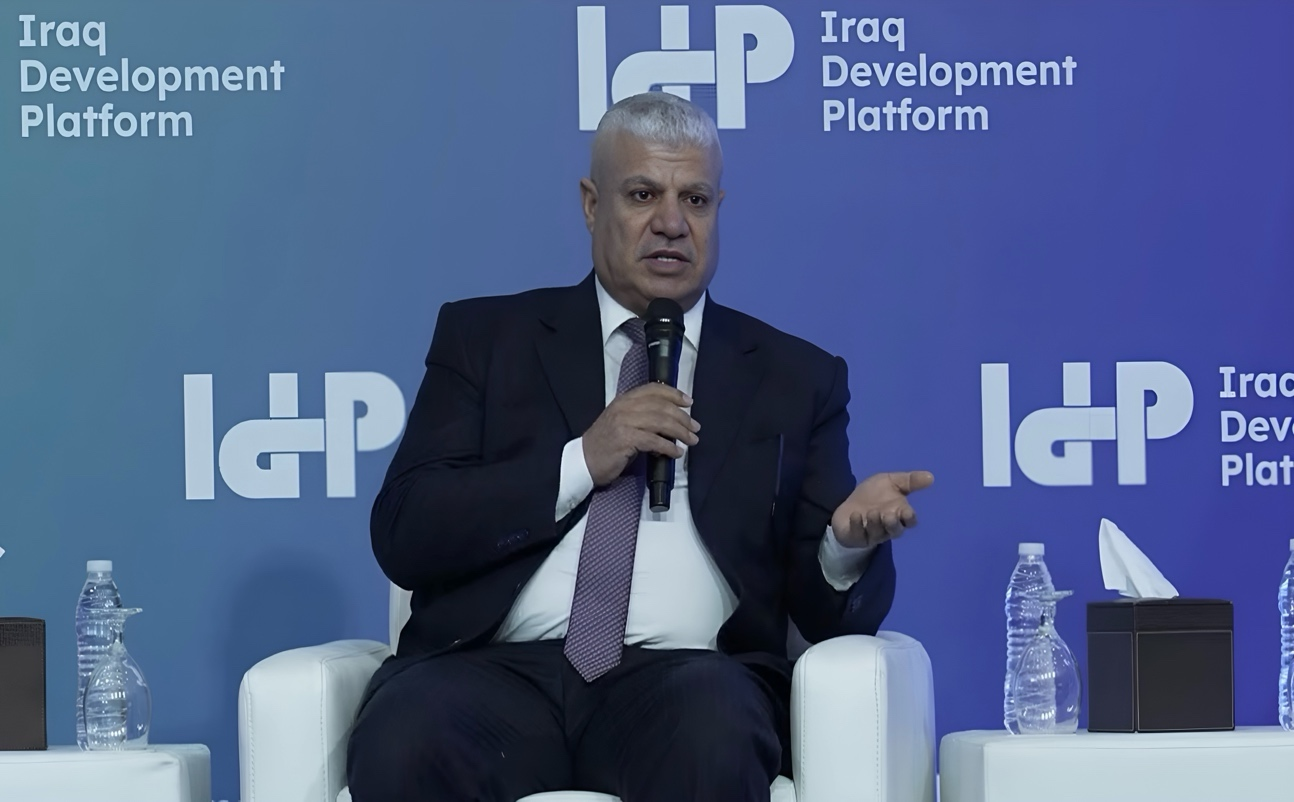 Al-Abed Rabba criticised the Ministry of Electricity’s slow execution of infrastructure projects and its limited control over billing and collection, which have led to excessive waste and underperformance in revenue generation. He noted that many recent projects were reactive, aimed at relieving bottlenecks rather than addressing root causes.
He attributed nearly 80% of power instability to shortcomings in the distribution sector, especially given that public-sector collection rates remain below 10%.
He argued that reform must begin with the distribution system, describing it as the cornerstone of any comprehensive sector-wide transformation.
Regarding fuel security, he raised concerns over Iraq’s heavy reliance on Iranian gas, calling the existing five-year contract inflexible and detrimental due to its restrictive penalty clauses.
He acknowledged a growing strategic interest in diversifying supply sources through international partnerships.
On renewables, Al-Abed Rabba described Iraq’s progress as “below zero,” blaming bureaucratic inertia for delays in projects supported by institutions like the Central Bank of Iraq. He emphasised that meaningful progress would require strong government backing and engagement from executive bodies.
He also cited delays in the Turkmenistan gas import project, noting concerns over the implementing company’s U.S. affiliations, which have caused diplomatic and technical complications.
Adel Ahmed, Deputy Minister of Electricity
Doubling Production to Meet Future Demand
Mr. Adel Karim Ahmed, Deputy Minister of Electricity for Production Affairs, highlighted notable progress in Iraq’s electricity sector, including a 750% increase in generation over the past two decades. Iraq currently operates 74 power plants with a combined capacity of 27,000 MW. However, projected demand is expected to reach 58,000 MW by 2027 and 76,000 MW by 2030, requiring significant investment and development.
Al-Abed Rabba criticised the Ministry of Electricity’s slow execution of infrastructure projects and its limited control over billing and collection, which have led to excessive waste and underperformance in revenue generation. He noted that many recent projects were reactive, aimed at relieving bottlenecks rather than addressing root causes.
He attributed nearly 80% of power instability to shortcomings in the distribution sector, especially given that public-sector collection rates remain below 10%.
He argued that reform must begin with the distribution system, describing it as the cornerstone of any comprehensive sector-wide transformation.
Regarding fuel security, he raised concerns over Iraq’s heavy reliance on Iranian gas, calling the existing five-year contract inflexible and detrimental due to its restrictive penalty clauses.
He acknowledged a growing strategic interest in diversifying supply sources through international partnerships.
On renewables, Al-Abed Rabba described Iraq’s progress as “below zero,” blaming bureaucratic inertia for delays in projects supported by institutions like the Central Bank of Iraq. He emphasised that meaningful progress would require strong government backing and engagement from executive bodies.
He also cited delays in the Turkmenistan gas import project, noting concerns over the implementing company’s U.S. affiliations, which have caused diplomatic and technical complications.
Adel Ahmed, Deputy Minister of Electricity
Doubling Production to Meet Future Demand
Mr. Adel Karim Ahmed, Deputy Minister of Electricity for Production Affairs, highlighted notable progress in Iraq’s electricity sector, including a 750% increase in generation over the past two decades. Iraq currently operates 74 power plants with a combined capacity of 27,000 MW. However, projected demand is expected to reach 58,000 MW by 2027 and 76,000 MW by 2030, requiring significant investment and development.
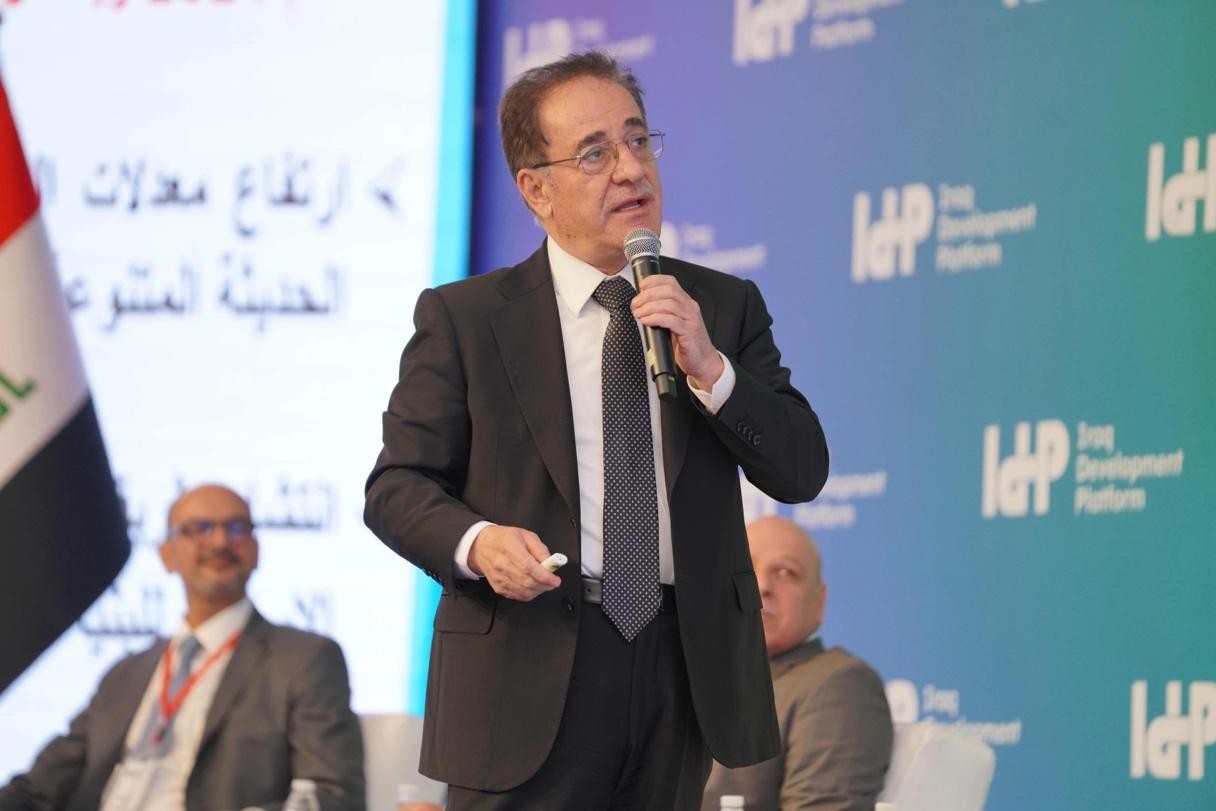 He attributed rising electricity use to improved national stability and higher living standards, which have led to record consumption.
Iraq’s energy infrastructure now includes more than 6,200 kilometres of transmission lines and around 11,000 distribution feeders, underscoring both the progress made and the challenges ahead.
On regional cooperation, Ahmed noted that Iraq maintains multiple grid interconnections, with Iran, Turkey, Jordan, and the Gulf states. He highlighted that the Gulf interconnection currently supplies 75% of Iraq’s imported electricity, playing a vital role in ensuring grid reliability.
He stressed the need to diversify energy sources, including the development of waste-to-energy projects capable of generating up to 1,200 MW of clean power. While acknowledging the potential of solar energy, he cautioned that renewables must be part of a broader, integrated strategy.
Reflecting on setbacks, he pointed to the failure to implement the Ministry’s 2014 development plan due to ISIS-related security disruptions, which led to the loss of approximately 6,000 MW of capacity.
Ahmed also discussed the difficulty of securing international financing, as many global lenders are retreating from fossil fuel-related projects. He noted that China remains a notable exception, continuing to provide energy financing. Consequently, Iraq relies heavily on private sector electricity purchases to fill funding gaps.
Abdul-Hamza Aboud, Advisor to the Ministry of Electricity
Mr. Abdul-Hamza Aboud, Advisor to the Ministry of Electricity, affirmed that Iraq has begun implementing power interconnection projects with Turkey and Jordan, and emphasised the Gulf interconnection project as a key initiative to improve grid reliability by late 2025.
He attributed rising electricity use to improved national stability and higher living standards, which have led to record consumption.
Iraq’s energy infrastructure now includes more than 6,200 kilometres of transmission lines and around 11,000 distribution feeders, underscoring both the progress made and the challenges ahead.
On regional cooperation, Ahmed noted that Iraq maintains multiple grid interconnections, with Iran, Turkey, Jordan, and the Gulf states. He highlighted that the Gulf interconnection currently supplies 75% of Iraq’s imported electricity, playing a vital role in ensuring grid reliability.
He stressed the need to diversify energy sources, including the development of waste-to-energy projects capable of generating up to 1,200 MW of clean power. While acknowledging the potential of solar energy, he cautioned that renewables must be part of a broader, integrated strategy.
Reflecting on setbacks, he pointed to the failure to implement the Ministry’s 2014 development plan due to ISIS-related security disruptions, which led to the loss of approximately 6,000 MW of capacity.
Ahmed also discussed the difficulty of securing international financing, as many global lenders are retreating from fossil fuel-related projects. He noted that China remains a notable exception, continuing to provide energy financing. Consequently, Iraq relies heavily on private sector electricity purchases to fill funding gaps.
Abdul-Hamza Aboud, Advisor to the Ministry of Electricity
Mr. Abdul-Hamza Aboud, Advisor to the Ministry of Electricity, affirmed that Iraq has begun implementing power interconnection projects with Turkey and Jordan, and emphasised the Gulf interconnection project as a key initiative to improve grid reliability by late 2025.
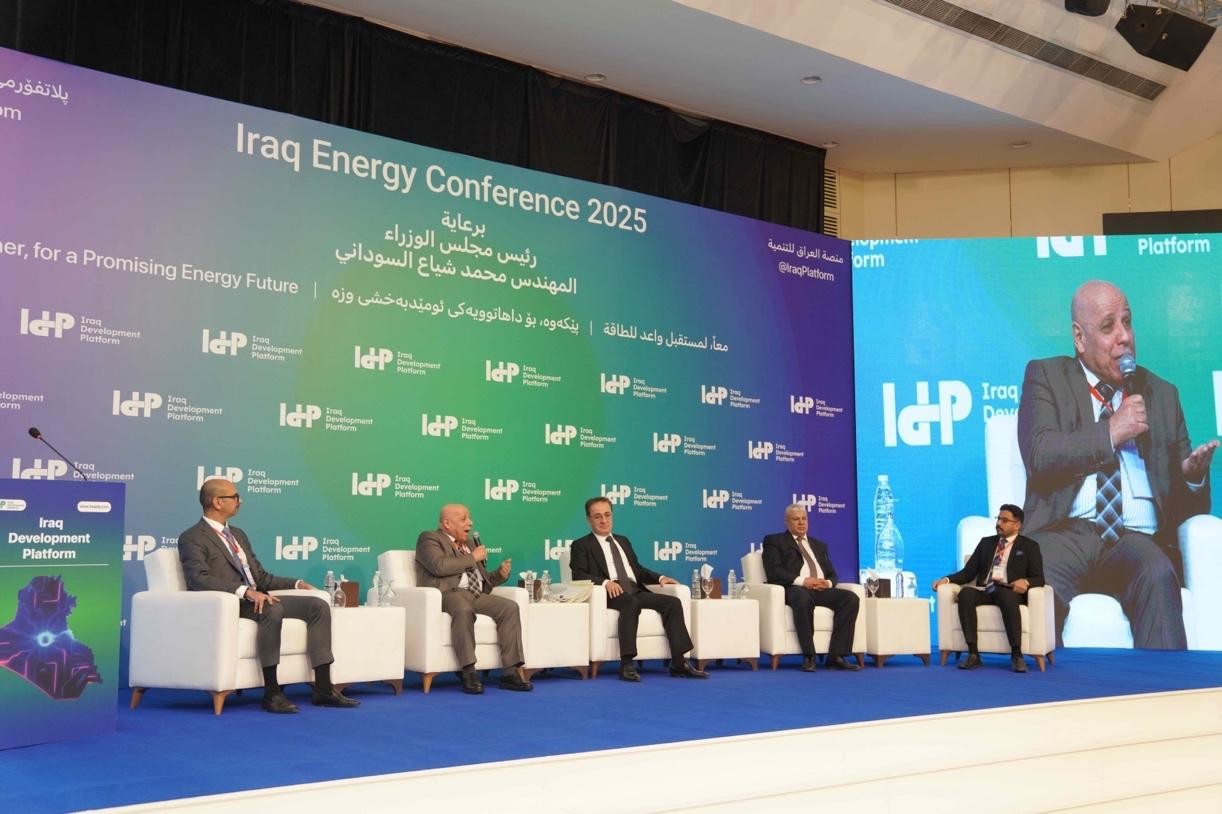 He also revealed that a new Saudi Arabia interconnection project is underway, expected to add 1,000 MW to Iraq’s supply within 18 months. These partnerships form part of a broader strategy to reduce Iraq’s dependence on a single energy supplier and enhance energy security.
Aboud flagged non-technical losses, such as unmetered consumption, as major financial burdens on the power system. He also addressed the imbalance in electricity pricing, noting that the current tariff of 10 Iraqi dinars per kilowatt-hour does not reflect actual production costs, which are estimated at 120,000 dinars per megawatt.
He called for tariff reforms, especially for high-consumption users exceeding 4,000 kWh, to align electricity prices with real production and distribution costs and ensure financial sustainability for the sector.
Rasheed Al-Janabi, President of GE Vernova Iraq
Mr. Rasheed Al-Janabi, President of GE Vernova Iraq, outlined the company’s collaborative work with the Ministry of Electricity on a 10-pillar strategic framework aimed at securing a stable and sustainable electricity supply nationwide.
He also revealed that a new Saudi Arabia interconnection project is underway, expected to add 1,000 MW to Iraq’s supply within 18 months. These partnerships form part of a broader strategy to reduce Iraq’s dependence on a single energy supplier and enhance energy security.
Aboud flagged non-technical losses, such as unmetered consumption, as major financial burdens on the power system. He also addressed the imbalance in electricity pricing, noting that the current tariff of 10 Iraqi dinars per kilowatt-hour does not reflect actual production costs, which are estimated at 120,000 dinars per megawatt.
He called for tariff reforms, especially for high-consumption users exceeding 4,000 kWh, to align electricity prices with real production and distribution costs and ensure financial sustainability for the sector.
Rasheed Al-Janabi, President of GE Vernova Iraq
Mr. Rasheed Al-Janabi, President of GE Vernova Iraq, outlined the company’s collaborative work with the Ministry of Electricity on a 10-pillar strategic framework aimed at securing a stable and sustainable electricity supply nationwide.
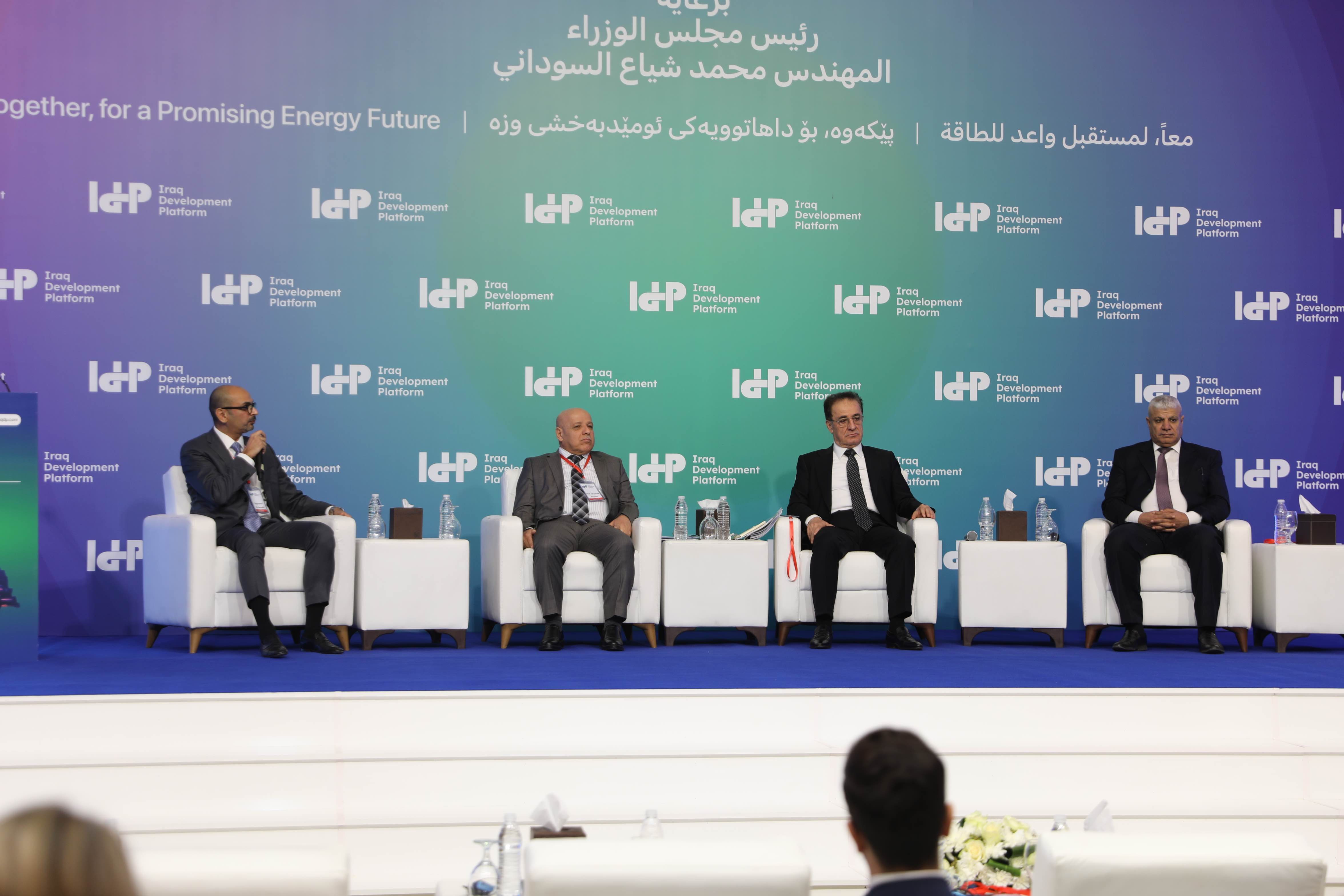 He emphasised the role of modernisation in boosting efficiency and cutting emissions. GE’s turbine upgrades have improved plant efficiency by up to 50% and reduced CO₂ emissions by 35%, contributing to an annual savings of 500,000 tons of CO₂. The company has also helped rehabilitate 46 generation units across 12 plants, adding 19,000 MW of generation capacity.
Looking ahead, GE is supporting efforts to raise the national generation fleet’s efficiency to 64%, which would effectively double output. These efforts align with the Ministry of Oil’s target of producing 6,000 million cubic feet of usable gas.
Al-Janabi highlighted the completion of the Jordan-Iraq interconnection as a landmark achievement that strengthens Iraq’s regional energy cooperation and enhances national grid stability.
Session Conclusion
The session concluded with broad consensus on the urgent need to modernise Iraq’s electricity infrastructure, expand renewable energy, and implement regulatory and tariff reforms. Speakers emphasised the importance of diversifying energy sources, addressing billing inefficiencies, and accelerating investment to meet the country’s growing electricity demand. Effective government leadership, international cooperation, and private sector engagement will be essential to ensure long-term energy stability and sustainability for Iraq.
He emphasised the role of modernisation in boosting efficiency and cutting emissions. GE’s turbine upgrades have improved plant efficiency by up to 50% and reduced CO₂ emissions by 35%, contributing to an annual savings of 500,000 tons of CO₂. The company has also helped rehabilitate 46 generation units across 12 plants, adding 19,000 MW of generation capacity.
Looking ahead, GE is supporting efforts to raise the national generation fleet’s efficiency to 64%, which would effectively double output. These efforts align with the Ministry of Oil’s target of producing 6,000 million cubic feet of usable gas.
Al-Janabi highlighted the completion of the Jordan-Iraq interconnection as a landmark achievement that strengthens Iraq’s regional energy cooperation and enhances national grid stability.
Session Conclusion
The session concluded with broad consensus on the urgent need to modernise Iraq’s electricity infrastructure, expand renewable energy, and implement regulatory and tariff reforms. Speakers emphasised the importance of diversifying energy sources, addressing billing inefficiencies, and accelerating investment to meet the country’s growing electricity demand. Effective government leadership, international cooperation, and private sector engagement will be essential to ensure long-term energy stability and sustainability for Iraq.
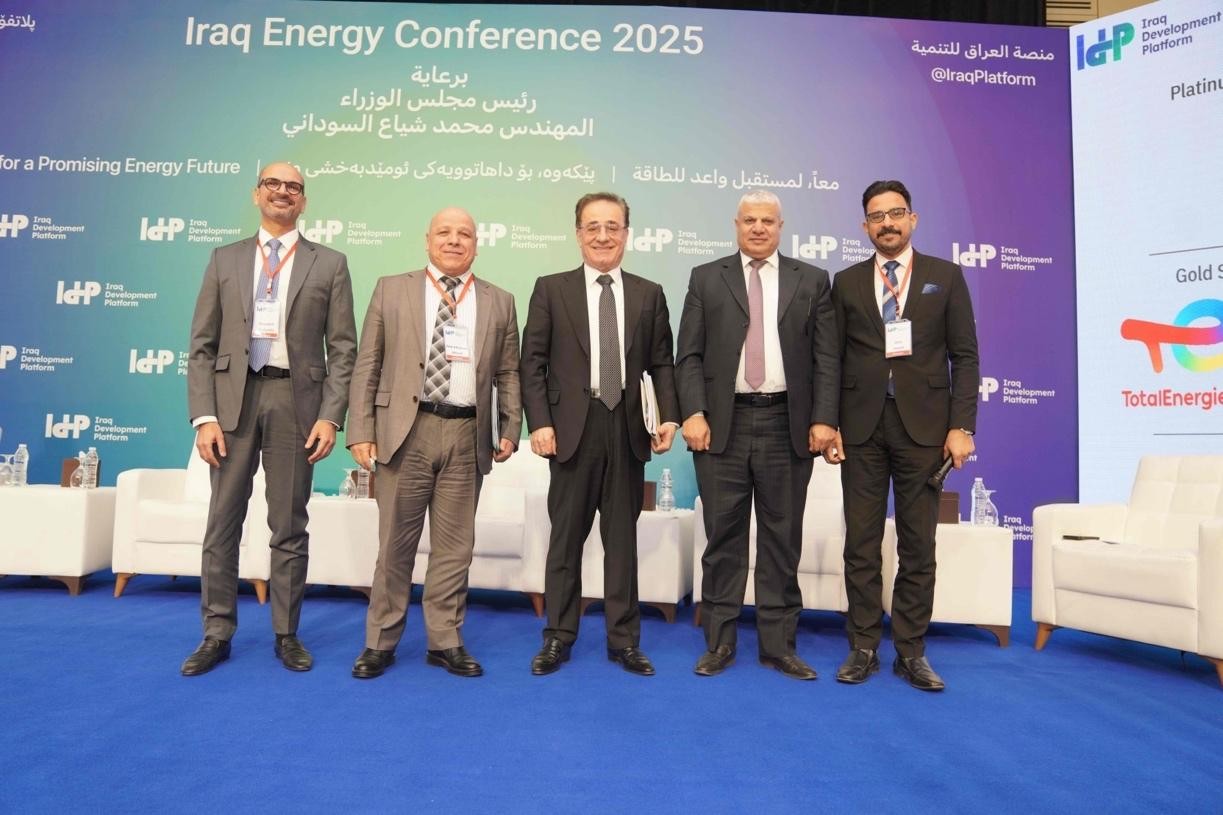
- Stephen Hitchen,British Ambassador to Iraq
- Christiane Hohmann,German Ambassador to Iraq
- Hans Sandee,Chargé d'Affaires, Embassy of the Kingdom of the Netherlands in Iraq
- Zainab Rabee,Journalist, Moderator
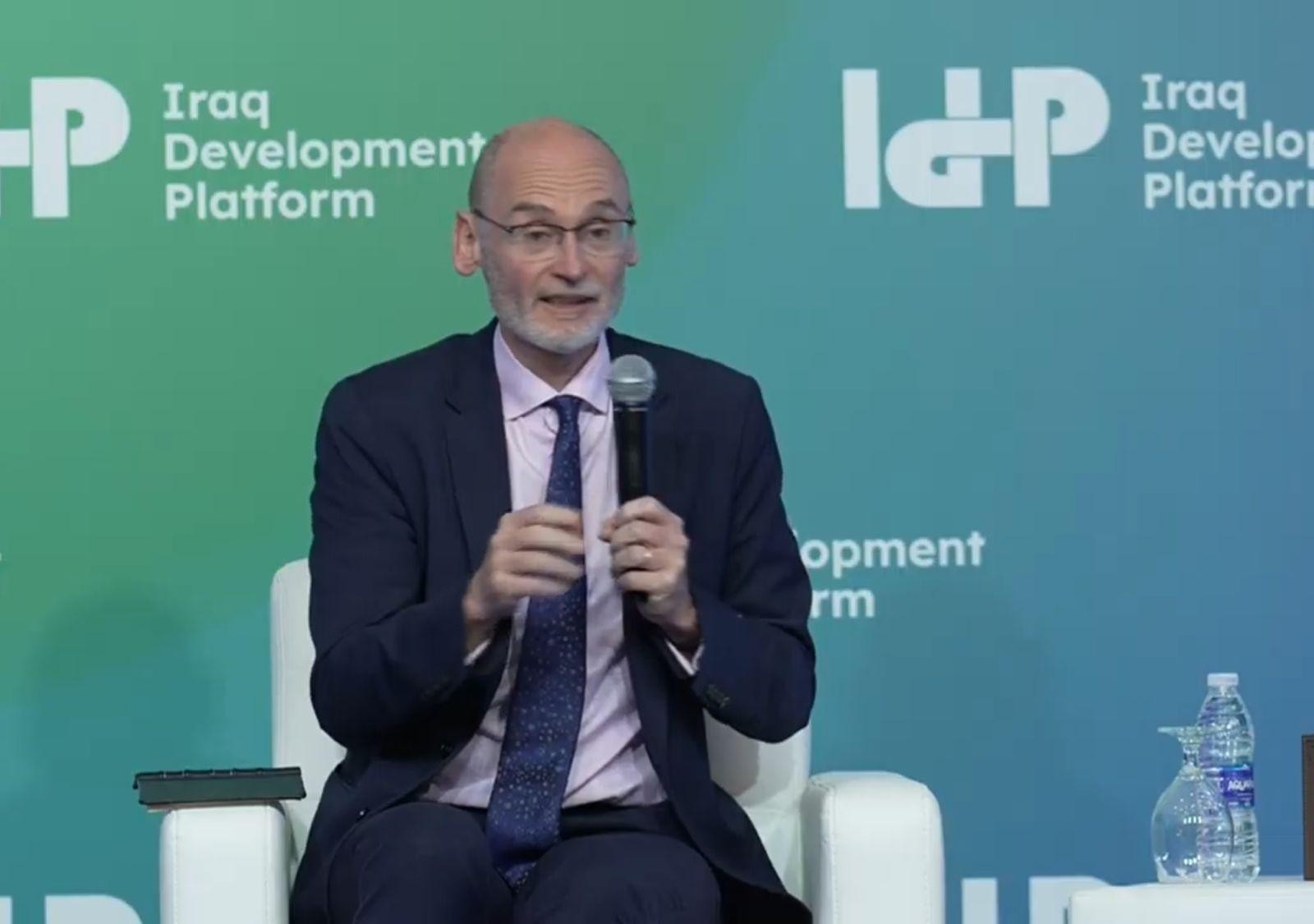 Hitchen noted the significant improvement in Iraq’s security landscape and affirmed British companies' interest in investing in Iraq. However, he stressed that attracting such investment requires political and administrative stability, especially through the timely formation of the government following the upcoming parliamentary elections.
He highlighted the potential of the Gulf states as key investment partners and underscored the importance of encouraging private sector participation. He also advocated for leveraging Iraq’s youthful population as a critical driver for future energy strategies and emphasised the bridging role the Iraqi diaspora in the UK can play in connecting with British companies.
On environmental issues, Hitchen called for greater utilisation of associated gas from oil production, citing its substantial economic and ecological benefits. He reiterated the UK’s support for Iraq’s efforts to reduce gas flaring and promote sustainable energy development.
Concluding his remarks, Hitchen stressed the urgency of addressing security breaches, such as attacks on diplomatic missions, and warned that such incidents damage Iraq’s international standing. He called for the swift formation of a new government, underlining its impact on Iraq’s global reputation, investor confidence, and overall stability.
Christiane Hohmann, German Ambassador to Iraq
German Ambassador to Iraq, Mrs. Christiane Hohmann, reaffirmed Germany’s commitment to strengthening energy cooperation with Iraq, particularly in renewables. She emphasised the importance of closely analysing Iraq’s unique economic and social conditions when formulating investment strategies, noting that a one-size-fits-all approach is ineffective.
Hitchen noted the significant improvement in Iraq’s security landscape and affirmed British companies' interest in investing in Iraq. However, he stressed that attracting such investment requires political and administrative stability, especially through the timely formation of the government following the upcoming parliamentary elections.
He highlighted the potential of the Gulf states as key investment partners and underscored the importance of encouraging private sector participation. He also advocated for leveraging Iraq’s youthful population as a critical driver for future energy strategies and emphasised the bridging role the Iraqi diaspora in the UK can play in connecting with British companies.
On environmental issues, Hitchen called for greater utilisation of associated gas from oil production, citing its substantial economic and ecological benefits. He reiterated the UK’s support for Iraq’s efforts to reduce gas flaring and promote sustainable energy development.
Concluding his remarks, Hitchen stressed the urgency of addressing security breaches, such as attacks on diplomatic missions, and warned that such incidents damage Iraq’s international standing. He called for the swift formation of a new government, underlining its impact on Iraq’s global reputation, investor confidence, and overall stability.
Christiane Hohmann, German Ambassador to Iraq
German Ambassador to Iraq, Mrs. Christiane Hohmann, reaffirmed Germany’s commitment to strengthening energy cooperation with Iraq, particularly in renewables. She emphasised the importance of closely analysing Iraq’s unique economic and social conditions when formulating investment strategies, noting that a one-size-fits-all approach is ineffective.
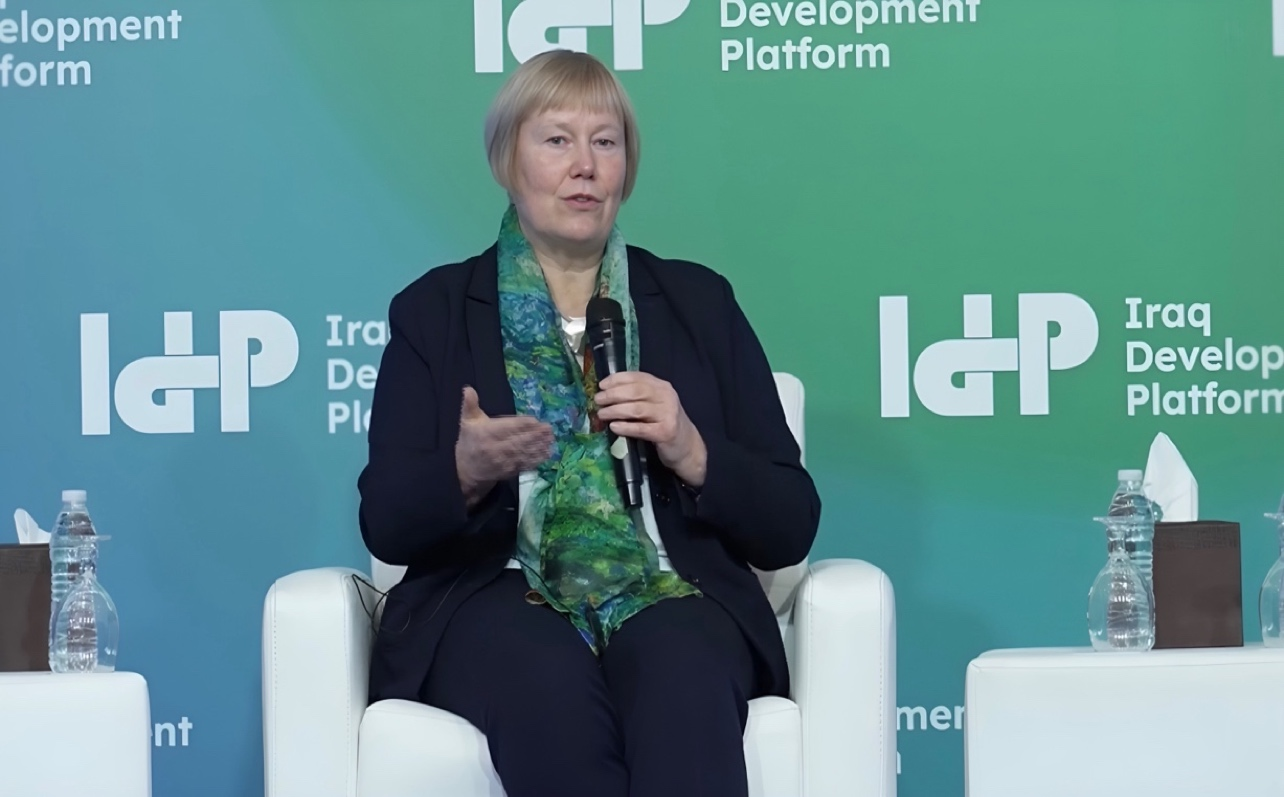 Hohmann identified Iraq’s lack of security stability as the foremost challenge to foreign investment, stating that improving Iraq’s international image is essential for attracting long-term partners. She described the German Embassy’s dual role in supporting German companies and continuously evaluating the Iraqi investment climate, which requires persistent effort to justify the risks of operating in a high-risk environment.
She pointed to Iraq’s chronic electricity shortages as a major barrier to investment, warning that unreliable power infrastructure hampers the successful execution of projects. She argued that local context must be front and centre when crafting solutions, stressing that investment success hinges on a deep understanding of Iraq’s internal realities.
The ambassador noted that Iraq is still largely perceived in Germany and across Europe through the lens of conflict and instability. Overcoming this perception, she said, is key to showcasing Iraq’s potential as a resource-rich and developing nation.
She explained that the German government produces regular reports assessing Iraq’s economic and security environment, and that many German companies remain cautiously optimistic about Iraq’s investment prospects. She also highlighted the vital role of Iraqi entrepreneurs based in Germany in fostering bilateral economic ties.
In discussing the broader regional context, Hohmann observed that the Middle East’s reputation for instability leads European companies to approach investment decisions with caution. German firms, she said, prioritise profitability and secure environments before entering new markets. As Iraq competes with other regional players for investment, it must focus on creating a favourable and dependable business climate.
In conclusion, Ambassador Hohmann called for Iraq to adopt a structured, transparent framework for investment and to capitalise on available resources within the electricity sector. She emphasised that building effective partnerships between the public and private sectors is the most pressing challenge for investors, and one that is crucial to ensuring Iraq’s long-term growth and stability.
Hans Sandee, Chargé d'Affaires, Embassy of the Kingdom of the Netherlands in Iraq
Mr. Hans Sandee, Chargé d'Affaires at the Embassy of the Kingdom of the Netherlands in Iraq, highlighted that one of the primary challenges facing Iraq’s energy sector is the high cost of transitioning to renewable energy. He noted that Dutch companies, along with many other foreign firms, continue to face significant obstacles when attempting to enter and operate within the Iraqi market.
Hohmann identified Iraq’s lack of security stability as the foremost challenge to foreign investment, stating that improving Iraq’s international image is essential for attracting long-term partners. She described the German Embassy’s dual role in supporting German companies and continuously evaluating the Iraqi investment climate, which requires persistent effort to justify the risks of operating in a high-risk environment.
She pointed to Iraq’s chronic electricity shortages as a major barrier to investment, warning that unreliable power infrastructure hampers the successful execution of projects. She argued that local context must be front and centre when crafting solutions, stressing that investment success hinges on a deep understanding of Iraq’s internal realities.
The ambassador noted that Iraq is still largely perceived in Germany and across Europe through the lens of conflict and instability. Overcoming this perception, she said, is key to showcasing Iraq’s potential as a resource-rich and developing nation.
She explained that the German government produces regular reports assessing Iraq’s economic and security environment, and that many German companies remain cautiously optimistic about Iraq’s investment prospects. She also highlighted the vital role of Iraqi entrepreneurs based in Germany in fostering bilateral economic ties.
In discussing the broader regional context, Hohmann observed that the Middle East’s reputation for instability leads European companies to approach investment decisions with caution. German firms, she said, prioritise profitability and secure environments before entering new markets. As Iraq competes with other regional players for investment, it must focus on creating a favourable and dependable business climate.
In conclusion, Ambassador Hohmann called for Iraq to adopt a structured, transparent framework for investment and to capitalise on available resources within the electricity sector. She emphasised that building effective partnerships between the public and private sectors is the most pressing challenge for investors, and one that is crucial to ensuring Iraq’s long-term growth and stability.
Hans Sandee, Chargé d'Affaires, Embassy of the Kingdom of the Netherlands in Iraq
Mr. Hans Sandee, Chargé d'Affaires at the Embassy of the Kingdom of the Netherlands in Iraq, highlighted that one of the primary challenges facing Iraq’s energy sector is the high cost of transitioning to renewable energy. He noted that Dutch companies, along with many other foreign firms, continue to face significant obstacles when attempting to enter and operate within the Iraqi market.
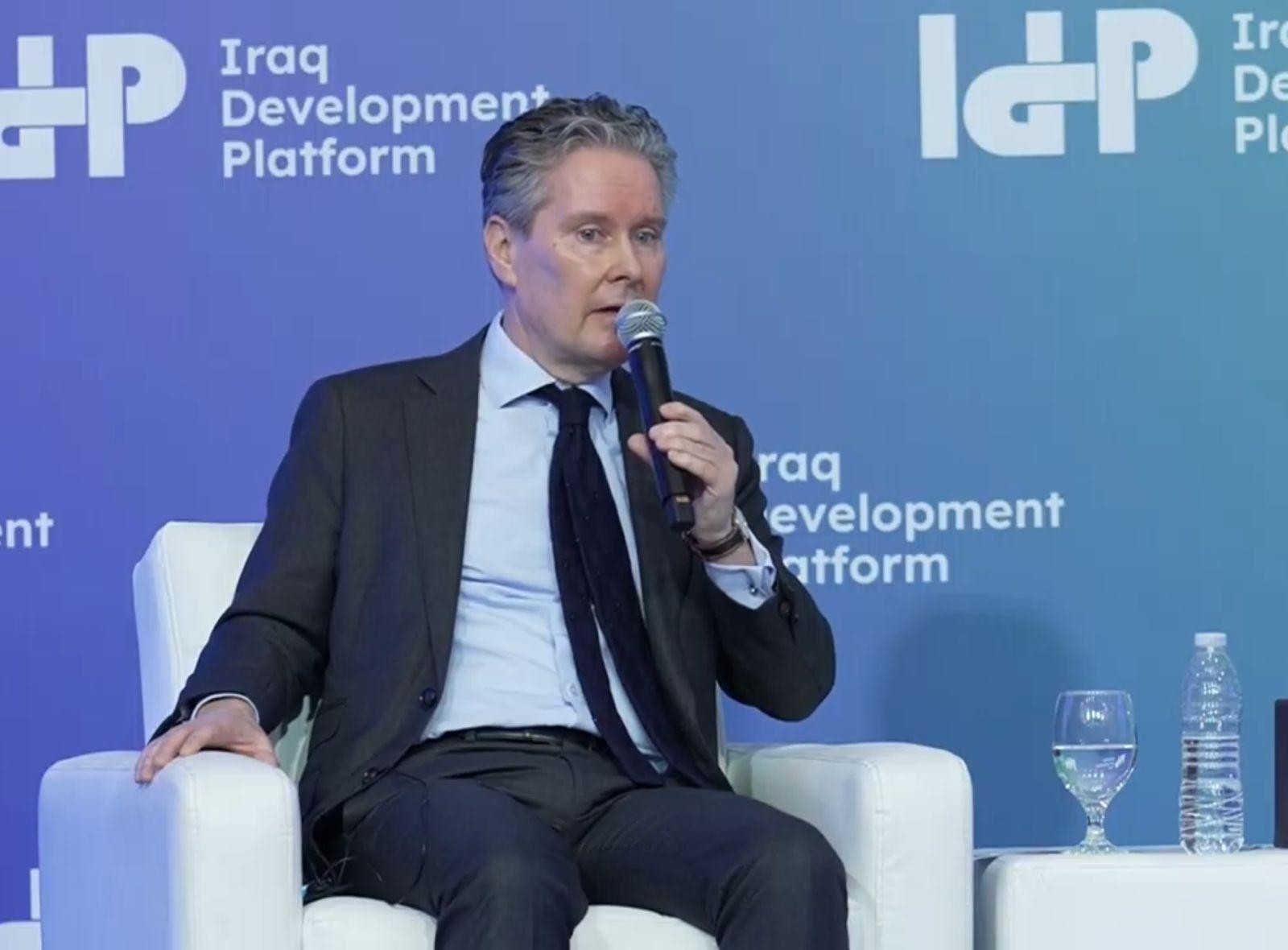 Mr Hans Sandee, Chargé d'Affaires at the Embassy of the Kingdom of the Netherlands in Iraq, highlighted that one of the primary challenges facing Iraq’s energy sector is the high cost of transitioning to renewable energy. He noted that Dutch companies, along with many other foreign firms, continue to face significant obstacles when attempting to enter and operate within the Iraqi market.
He called on the Iraqi government to introduce more reassuring economic and legislative policies that would enable Dutch businesses to engage confidently with the Iraqi market. While acknowledging existing governmental efforts, he noted that these initiatives have yet to reach their full potential.
He pointed to Iraq’s limited economic diversification, the complexity of its energy sector, and the high cost of electricity production as structural barriers that continue to limit the country’s ability to attract diverse and long-term investment.
Discussing the specific challenges facing foreign companies, Sandee identified underdeveloped infrastructure, a weak banking system, and frequent electricity outages as key impediments to improving the business environment. He stressed the need for the Iraqi government to invest in comprehensive infrastructure that supports private sector growth and facilitates broader economic participation.
While recognising the government's commitment to supporting entrepreneurs, Sandee noted that progress has been slow and urged the acceleration of necessary reforms to foster a more attractive investment climate. Despite existing challenges, he remarked that many foreign companies are still willing to assume certain risks due to Iraq’s considerable market potential. However, he also observed that some firms, particularly those representing religious minorities such as Christian investors, are opting for more stable environments like Dubai, which offers greater security and legal clarity.
Mr Hans Sandee, Chargé d'Affaires at the Embassy of the Kingdom of the Netherlands in Iraq, highlighted that one of the primary challenges facing Iraq’s energy sector is the high cost of transitioning to renewable energy. He noted that Dutch companies, along with many other foreign firms, continue to face significant obstacles when attempting to enter and operate within the Iraqi market.
He called on the Iraqi government to introduce more reassuring economic and legislative policies that would enable Dutch businesses to engage confidently with the Iraqi market. While acknowledging existing governmental efforts, he noted that these initiatives have yet to reach their full potential.
He pointed to Iraq’s limited economic diversification, the complexity of its energy sector, and the high cost of electricity production as structural barriers that continue to limit the country’s ability to attract diverse and long-term investment.
Discussing the specific challenges facing foreign companies, Sandee identified underdeveloped infrastructure, a weak banking system, and frequent electricity outages as key impediments to improving the business environment. He stressed the need for the Iraqi government to invest in comprehensive infrastructure that supports private sector growth and facilitates broader economic participation.
While recognising the government's commitment to supporting entrepreneurs, Sandee noted that progress has been slow and urged the acceleration of necessary reforms to foster a more attractive investment climate. Despite existing challenges, he remarked that many foreign companies are still willing to assume certain risks due to Iraq’s considerable market potential. However, he also observed that some firms, particularly those representing religious minorities such as Christian investors, are opting for more stable environments like Dubai, which offers greater security and legal clarity.
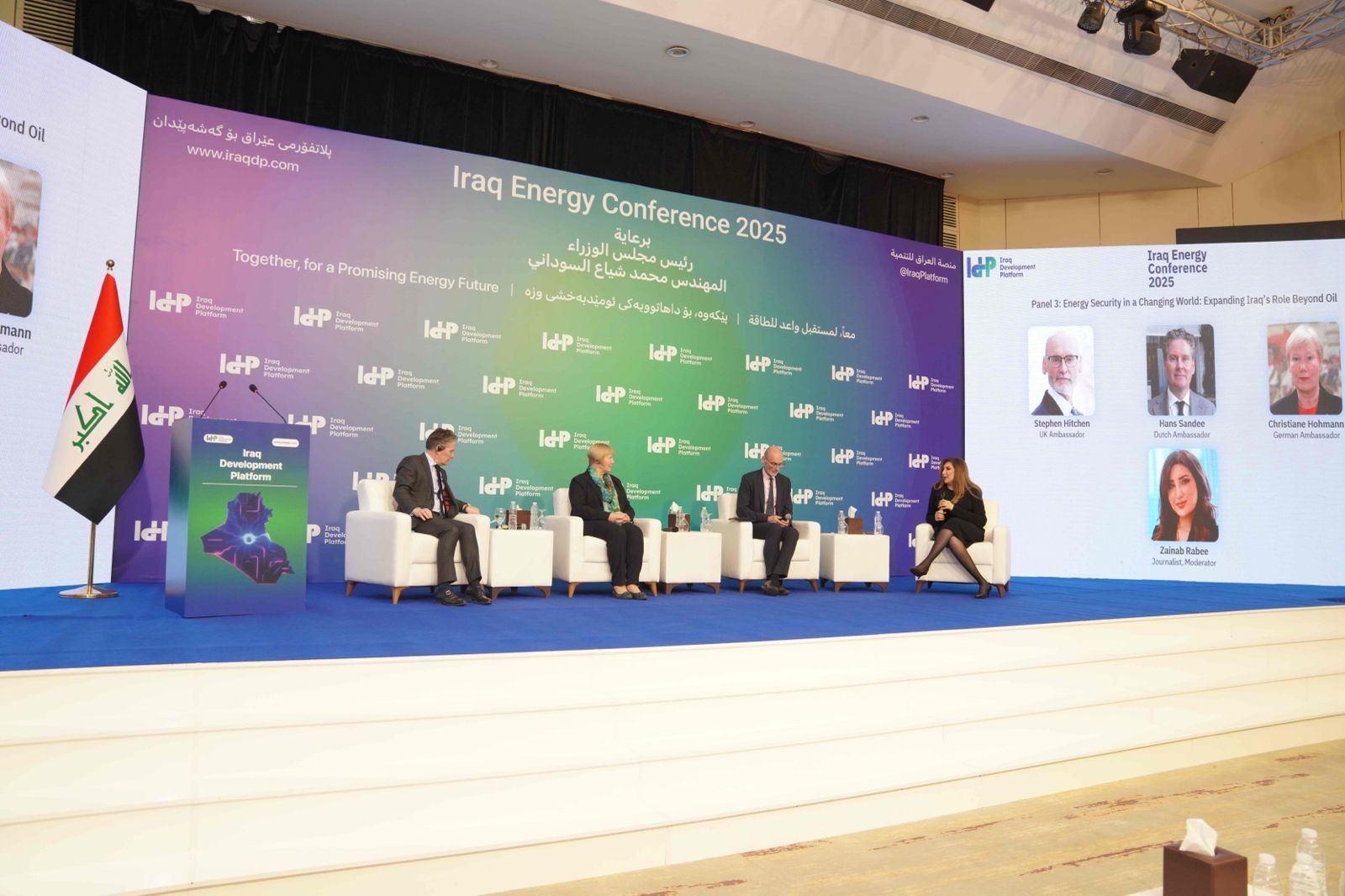 Sandee underscored the importance of investing in Iraqi youth, describing them as the country’s most valuable asset. He called for a government-led approach that promotes innovation and empowers the private sector. Additionally, he stressed the need to enhance coordination between the government and investors, especially in resolving delays in payments for completed projects, an issue that negatively affects Iraq’s business reputation.
He also highlighted the Netherlands’ global leadership in agriculture, where it ranks second worldwide in exports. Dutch companies, he said, are well-positioned to share expertise and modern technologies in areas such as advanced irrigation systems and clean energy use, tools that can help reduce emissions and support sustainable development in Iraq.
Session Conclusion
The session concluded with consensus on the critical role of the private sector and youth employment as foundational to achieving sustainable and inclusive development in Iraq. Participants acknowledged that Iraq faces considerable challenges, particularly considering its rapidly growing population, and stressed the need for policies that effectively address this demographic reality.
Speakers also underscored the structural and administrative barriers that continue to hinder the Iraqi private sector, calling for urgent and coordinated action by government institutions to implement meaningful reforms. Additionally, Iraq’s outdated infrastructure was identified as a major obstacle to attracting foreign investment.
In closing, the session emphasised the importance of establishing a stable, investor-friendly environment that aligns with international standards and supports strategic partnerships, ultimately serving Iraq’s long-term economic and social development goals.
Sandee underscored the importance of investing in Iraqi youth, describing them as the country’s most valuable asset. He called for a government-led approach that promotes innovation and empowers the private sector. Additionally, he stressed the need to enhance coordination between the government and investors, especially in resolving delays in payments for completed projects, an issue that negatively affects Iraq’s business reputation.
He also highlighted the Netherlands’ global leadership in agriculture, where it ranks second worldwide in exports. Dutch companies, he said, are well-positioned to share expertise and modern technologies in areas such as advanced irrigation systems and clean energy use, tools that can help reduce emissions and support sustainable development in Iraq.
Session Conclusion
The session concluded with consensus on the critical role of the private sector and youth employment as foundational to achieving sustainable and inclusive development in Iraq. Participants acknowledged that Iraq faces considerable challenges, particularly considering its rapidly growing population, and stressed the need for policies that effectively address this demographic reality.
Speakers also underscored the structural and administrative barriers that continue to hinder the Iraqi private sector, calling for urgent and coordinated action by government institutions to implement meaningful reforms. Additionally, Iraq’s outdated infrastructure was identified as a major obstacle to attracting foreign investment.
In closing, the session emphasised the importance of establishing a stable, investor-friendly environment that aligns with international standards and supports strategic partnerships, ultimately serving Iraq’s long-term economic and social development goals.
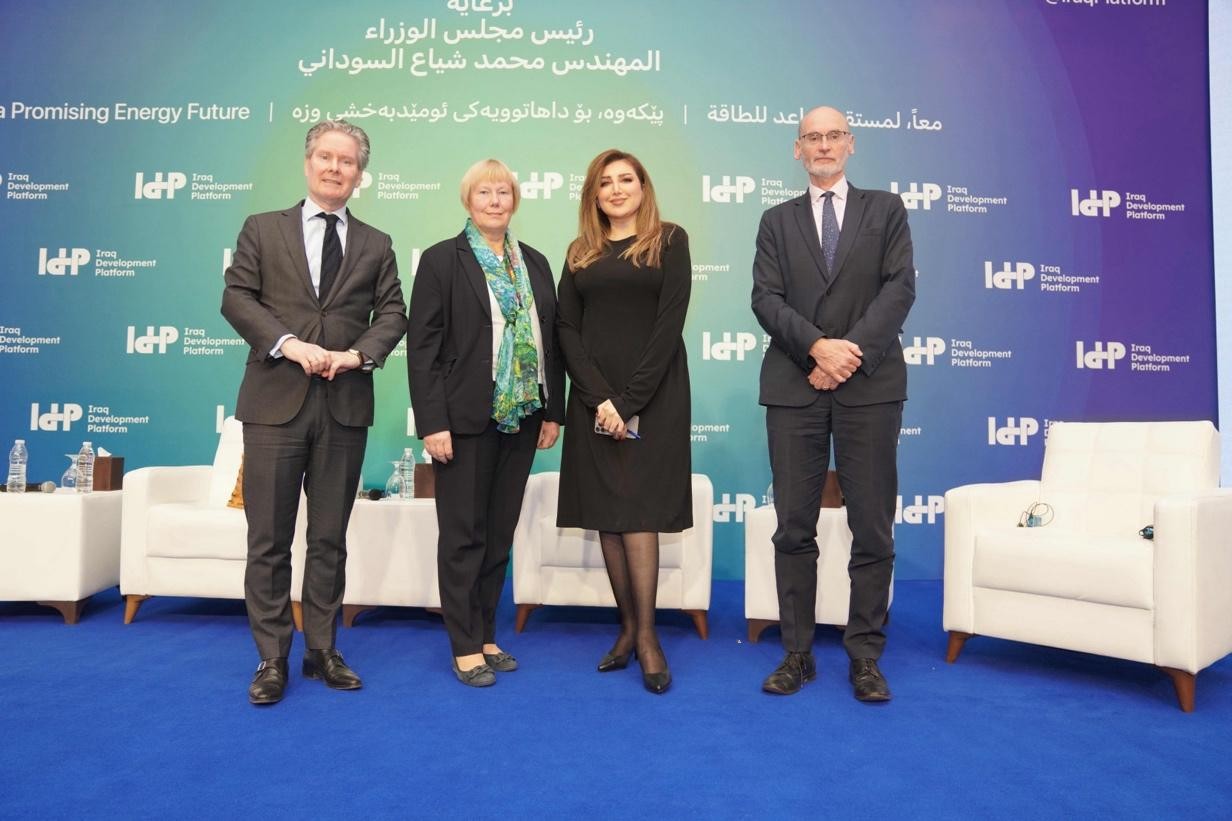
- Hallo Al-Askari,Iraqi Minister of Environment
- Mina Dhahir, Journalist, Moderator
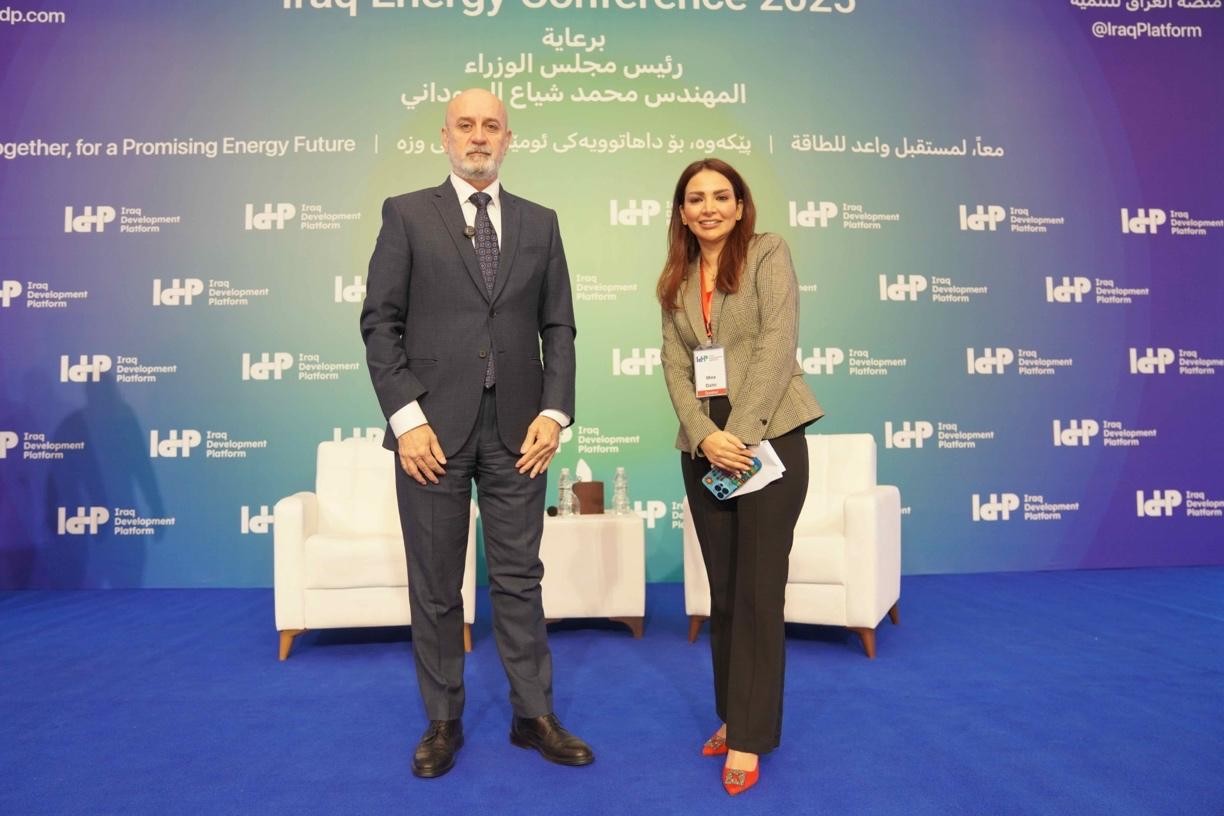
- Aoun Dhiab,Iraqi Minister of Water Resources
- Torhan Al-Mufti, Adviser to the Prime Minister on Water Resources, Moderator
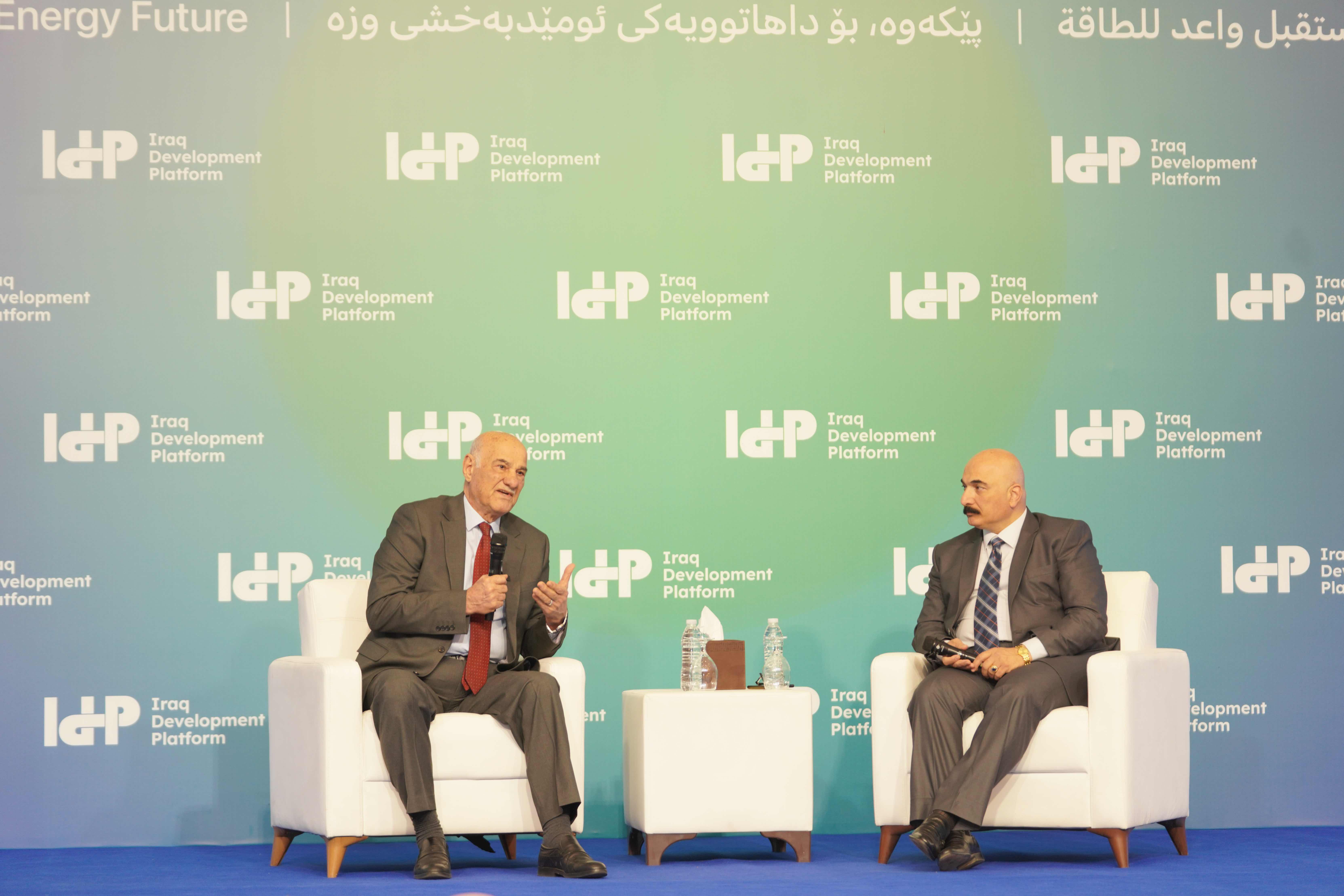 Climate Change and Environmental Impact
Minister Dhiab outlined the severe impact of climate change on rainfall patterns and groundwater reserves. The ongoing drought, he noted, has significantly lowered groundwater levels, prompting the Ministry to adopt long-term plans to adapt to these emerging environmental threats.
He also addressed the critical issue of salinisation in the Shatt al-Arab, stressing its detrimental effects on the environment and agricultural productivity in southern Iraq. The Ministry is currently implementing urgent mitigation measures to confront this escalating challenge.
Regional Water Cooperation
The discussion emphasised the strategic importance of water-sharing cooperation with Turkey and Iran, which together account for approximately 70% of Iraq’s water inflows. Minister Dhiab reviewed the evolving dynamics of Iraq’s regional water relationships and underlined the pressing need to establish equitable, sustainable agreements that safeguard Iraq’s water rights.
Dams and Energy Efficiency
The session explored the current role of dams in electricity generation. Minister Dhiab acknowledged that under present hydrological conditions, the construction of large dams is not advisable due to water scarcity. However, he reaffirmed the need for small and medium-scale dams to support water harvesting and groundwater recharge. The Ministry is actively working to optimise existing infrastructure and enhance project efficiency to ensure long-term sustainability.
Toward a New Water Ethic
Minister Dhiab stressed that one of Iraq’s most pressing challenges is balancing water supply with growing demand. He noted a stark decline in per capita water availability, from 1,500 cubic meters annually a few years ago to just 800 cubic meters today, with projections indicating a drop to 500 cubic meters by 2035. This trend signals Iraq’s approach toward water poverty, a threshold that requires urgent and coordinated national action.
He asserted that the prevailing assumption of water abundance is outdated and called for a cultural transformation in water usage, across agriculture, industry, and domestic sectors. Establishing a new national ethos cantered on sustainable water management is, he said, a top priority.
Session Conclusion
The session concluded with a strong consensus that Iraq’s water future hinges on enhanced regional cooperation, sustainable agricultural practices, and a radical shift in consumption culture. Participants emphasised the importance of integrating national and regional efforts to address the impacts of drought and climate change. Ensuring water sustainability for future generations will require bold reforms, cross-sector collaboration, and a reimagined relationship with water, one based on conservation, innovation, and shared responsibility.
Climate Change and Environmental Impact
Minister Dhiab outlined the severe impact of climate change on rainfall patterns and groundwater reserves. The ongoing drought, he noted, has significantly lowered groundwater levels, prompting the Ministry to adopt long-term plans to adapt to these emerging environmental threats.
He also addressed the critical issue of salinisation in the Shatt al-Arab, stressing its detrimental effects on the environment and agricultural productivity in southern Iraq. The Ministry is currently implementing urgent mitigation measures to confront this escalating challenge.
Regional Water Cooperation
The discussion emphasised the strategic importance of water-sharing cooperation with Turkey and Iran, which together account for approximately 70% of Iraq’s water inflows. Minister Dhiab reviewed the evolving dynamics of Iraq’s regional water relationships and underlined the pressing need to establish equitable, sustainable agreements that safeguard Iraq’s water rights.
Dams and Energy Efficiency
The session explored the current role of dams in electricity generation. Minister Dhiab acknowledged that under present hydrological conditions, the construction of large dams is not advisable due to water scarcity. However, he reaffirmed the need for small and medium-scale dams to support water harvesting and groundwater recharge. The Ministry is actively working to optimise existing infrastructure and enhance project efficiency to ensure long-term sustainability.
Toward a New Water Ethic
Minister Dhiab stressed that one of Iraq’s most pressing challenges is balancing water supply with growing demand. He noted a stark decline in per capita water availability, from 1,500 cubic meters annually a few years ago to just 800 cubic meters today, with projections indicating a drop to 500 cubic meters by 2035. This trend signals Iraq’s approach toward water poverty, a threshold that requires urgent and coordinated national action.
He asserted that the prevailing assumption of water abundance is outdated and called for a cultural transformation in water usage, across agriculture, industry, and domestic sectors. Establishing a new national ethos cantered on sustainable water management is, he said, a top priority.
Session Conclusion
The session concluded with a strong consensus that Iraq’s water future hinges on enhanced regional cooperation, sustainable agricultural practices, and a radical shift in consumption culture. Participants emphasised the importance of integrating national and regional efforts to address the impacts of drought and climate change. Ensuring water sustainability for future generations will require bold reforms, cross-sector collaboration, and a reimagined relationship with water, one based on conservation, innovation, and shared responsibility.
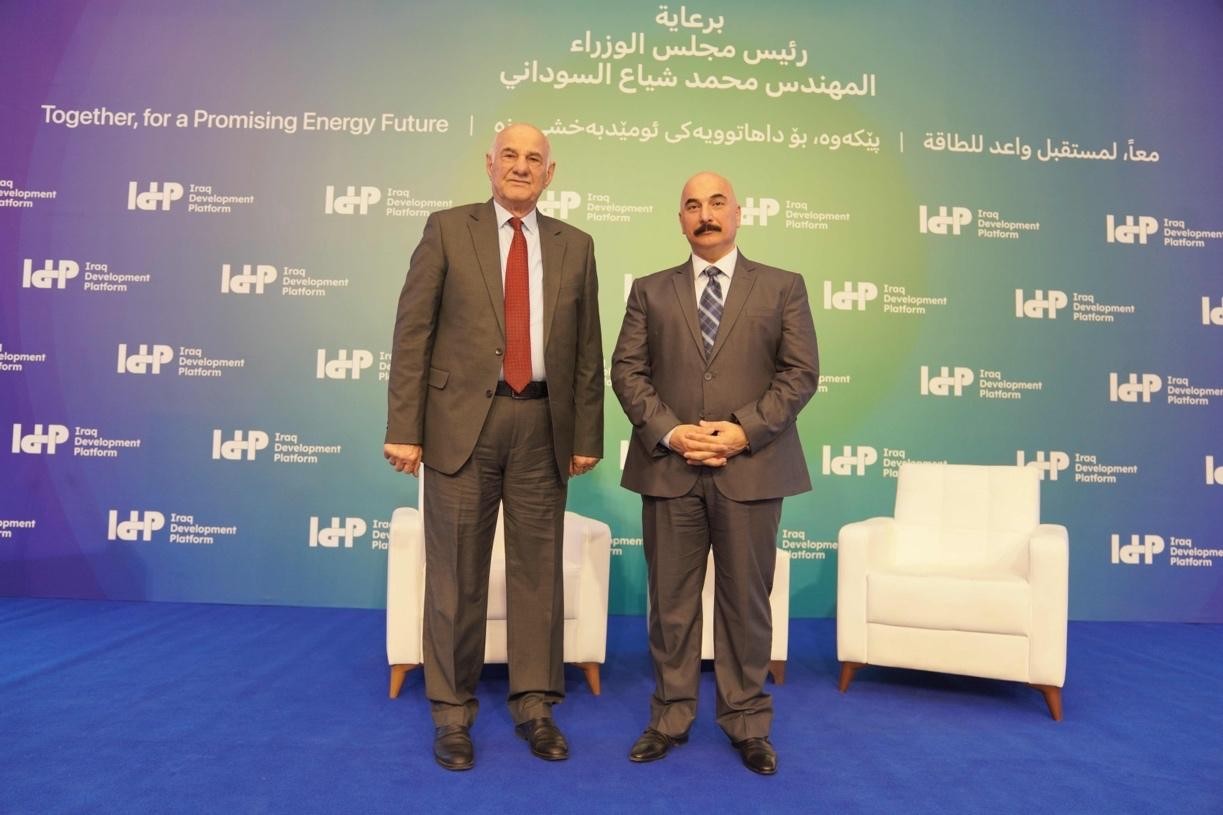
- Hamid Ahmed,Advisor to the Prime Minister for Higher Education
- Fareed Yaseen,Iraq Envoy for Climate Change
- Sinan Mohammed,DG of Environmental Protection, & Improvement, Middle Region
- Ahmed Al-Maamar,Director, Market Operations Office, Central Bank of Iraq
- Heval Mohammed,Director General of Climate Change, Kurdistan Region, Moderator
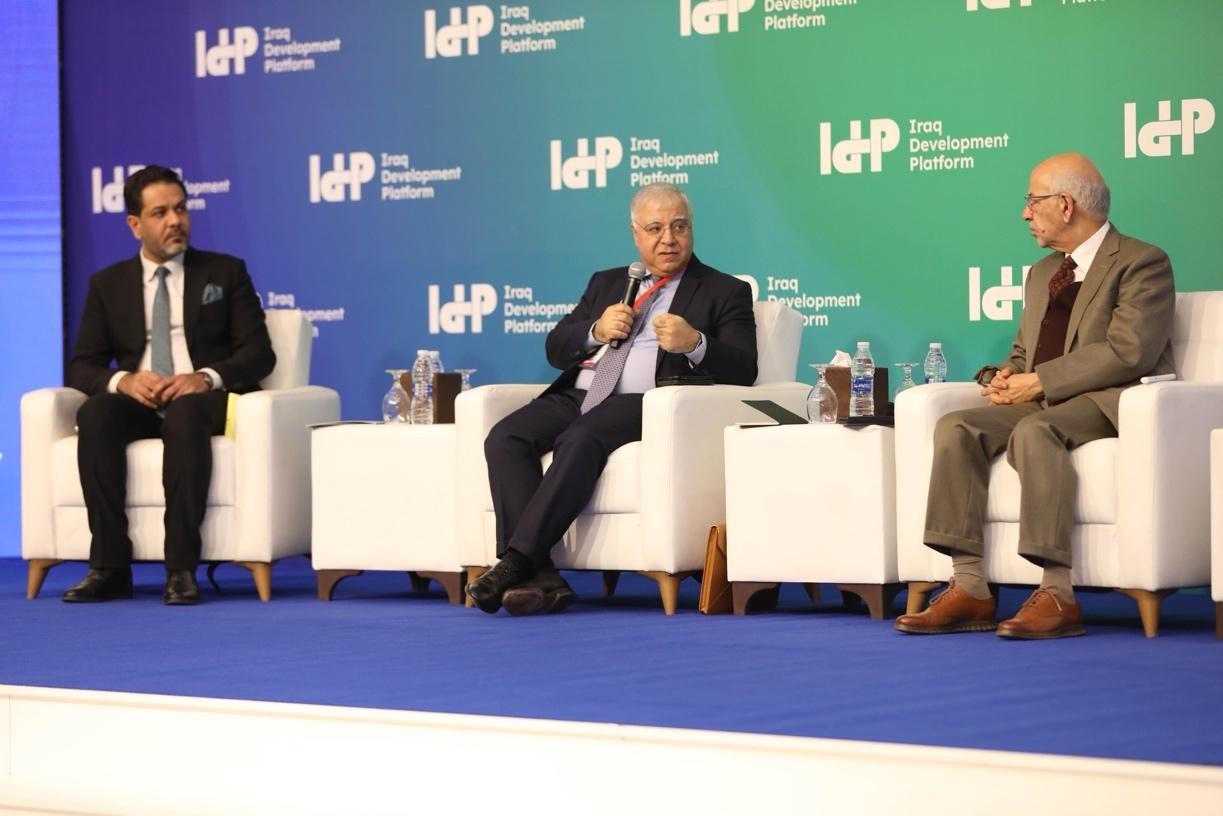 Hamid Ahmed, Advisor to the Prime Minister for Higher Education
Education as the Foundation of Sustainability
Mr Hamid Khalaf Ahmed emphasised that education is a cornerstone of Iraq’s sustainable development efforts. He argued that no climate strategy can succeed without an informed and engaged public, and that education is essential for building long-term resilience.
He highlighted the Iraqi government’s 2021–2031 education strategy, which integrates environmental awareness and the Sustainable Development Goals (SDGs), especially SDG 4 on quality education, into curricula. Initiatives include "greening" the curriculum and promoting environmental responsibility through activities in schools and universities.
Ahmed stressed the need for global cooperation and knowledge exchange to bring best practices in environmental education to Iraq, ensuring that the country’s future generations are equipped to confront climate challenges.
Hamid Ahmed, Advisor to the Prime Minister for Higher Education
Education as the Foundation of Sustainability
Mr Hamid Khalaf Ahmed emphasised that education is a cornerstone of Iraq’s sustainable development efforts. He argued that no climate strategy can succeed without an informed and engaged public, and that education is essential for building long-term resilience.
He highlighted the Iraqi government’s 2021–2031 education strategy, which integrates environmental awareness and the Sustainable Development Goals (SDGs), especially SDG 4 on quality education, into curricula. Initiatives include "greening" the curriculum and promoting environmental responsibility through activities in schools and universities.
Ahmed stressed the need for global cooperation and knowledge exchange to bring best practices in environmental education to Iraq, ensuring that the country’s future generations are equipped to confront climate challenges.
 Sinan Mohammed, DG of Environmental Protection, and Improvement, Middle Region
Field Realities and Environmental Monitoring
Mr Sinan Jaafar Mohammed, Director General of Environmental Protection and Impvorvement of the Middle Region, presented a sobering picture of Iraq’s environmental conditions, noting a significant rise in temperatures, with over 110 days above 40°C recorded in 2023, and the worsening impacts of drought. He highlighted upstream water management by neighbouring countries as a major driver behind the 70% expansion in drought-affected areas, putting additional strain on Iraq’s water supply.
Mohammed identified private power generators lacking emission control as a primary source of air and water pollution. He detailed the Ministry of Environment’s efforts to monitor and respond to environmental degradation, including establishing an air quality monitoring laboratory and strengthening the national climate monitoring network.
He also noted the alarming spread of desertification, now covering 32% of Iraq’s land, and declining water levels in Lake Saawa and parts of the Hawizeh Marshes, mainly due to inefficient agricultural water use. Mohammed concluded by stating that the Ministry is currently reviewing and updating environmental legislation to align with Iraq’s international climate commitments and to enhance enforcement mechanisms.
Sinan Mohammed, DG of Environmental Protection, and Improvement, Middle Region
Field Realities and Environmental Monitoring
Mr Sinan Jaafar Mohammed, Director General of Environmental Protection and Impvorvement of the Middle Region, presented a sobering picture of Iraq’s environmental conditions, noting a significant rise in temperatures, with over 110 days above 40°C recorded in 2023, and the worsening impacts of drought. He highlighted upstream water management by neighbouring countries as a major driver behind the 70% expansion in drought-affected areas, putting additional strain on Iraq’s water supply.
Mohammed identified private power generators lacking emission control as a primary source of air and water pollution. He detailed the Ministry of Environment’s efforts to monitor and respond to environmental degradation, including establishing an air quality monitoring laboratory and strengthening the national climate monitoring network.
He also noted the alarming spread of desertification, now covering 32% of Iraq’s land, and declining water levels in Lake Saawa and parts of the Hawizeh Marshes, mainly due to inefficient agricultural water use. Mohammed concluded by stating that the Ministry is currently reviewing and updating environmental legislation to align with Iraq’s international climate commitments and to enhance enforcement mechanisms.
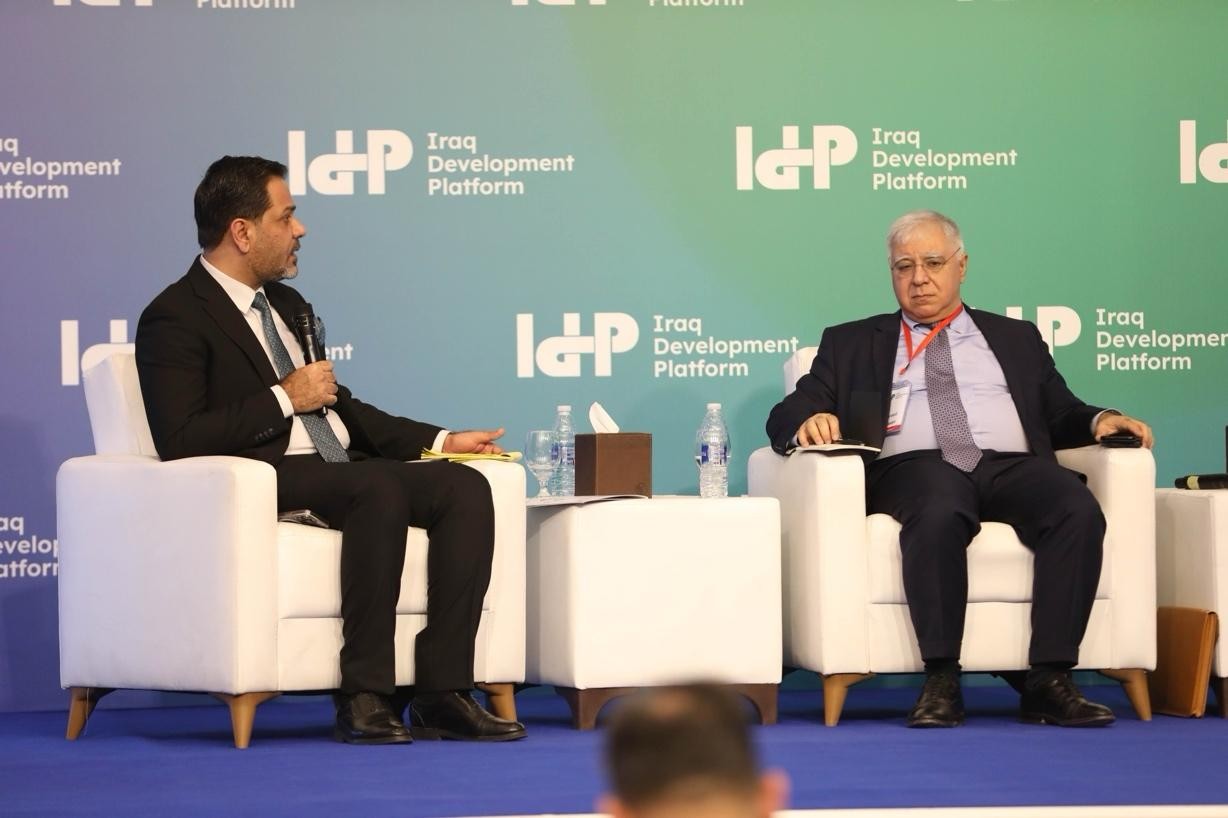 Ahmed Al-Maamar, Director of Market Operations Office CBI
In his remarks, Mr Ahmed Al-Maamar, Director of the Market Operations Office at the Central Bank of Iraq, expressed concern over Iraq’s delayed engagement with international climate agreements, noting that the country did not join such frameworks until 2009. He emphasised that Iraq is now making meaningful progress by adopting policies aimed at reducing the flaring of associated gas and channelling it into sustainable investments.
Ahmed Al-Maamar, Director of Market Operations Office CBI
In his remarks, Mr Ahmed Al-Maamar, Director of the Market Operations Office at the Central Bank of Iraq, expressed concern over Iraq’s delayed engagement with international climate agreements, noting that the country did not join such frameworks until 2009. He emphasised that Iraq is now making meaningful progress by adopting policies aimed at reducing the flaring of associated gas and channelling it into sustainable investments.
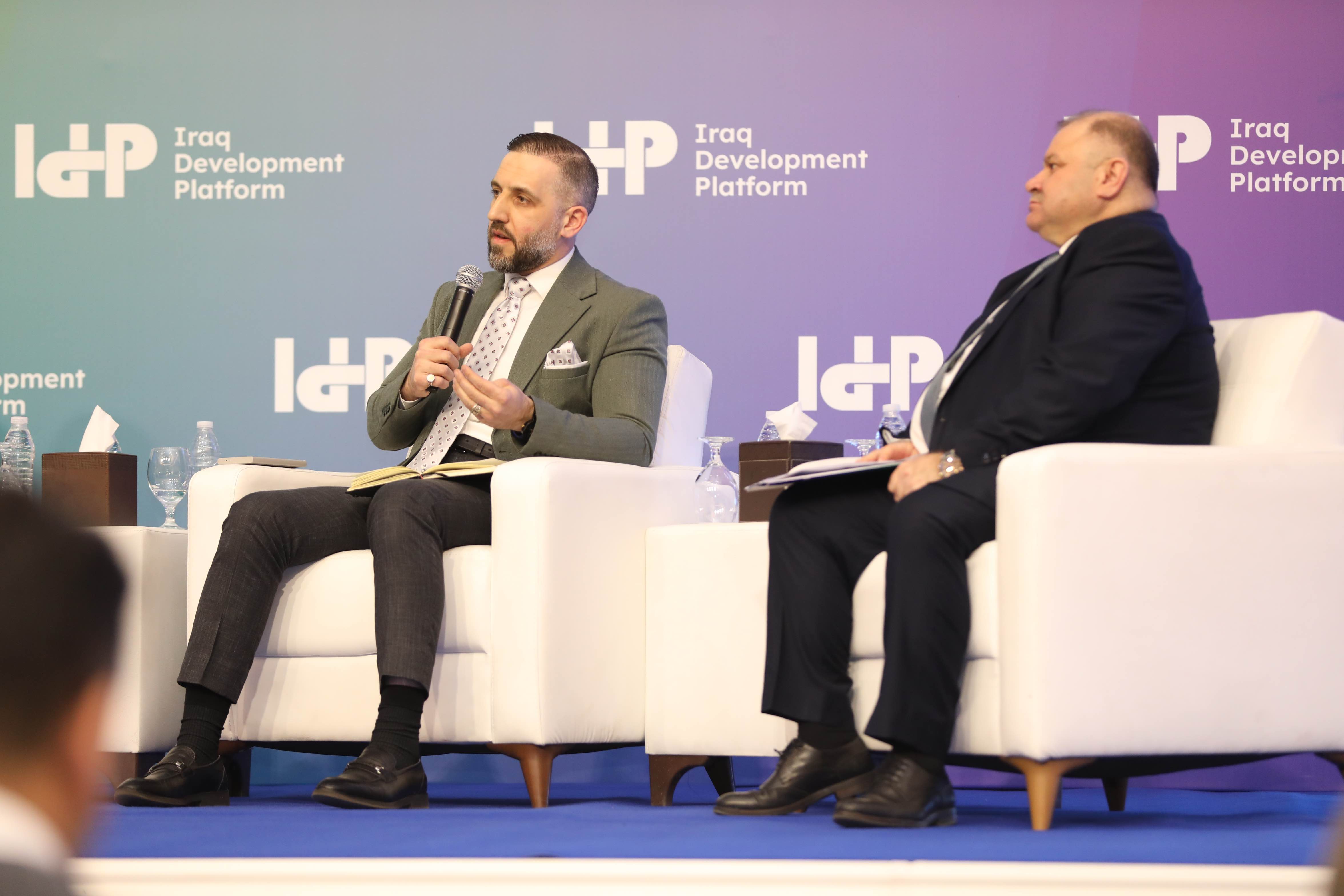 Al-Maamar warned of the potential for international penalties if industrial emissions are not curbed and called for greater public awareness of the environmental impacts of the oil sector.
He highlighted a strategic shift in the Central Bank’s role, from a solely monetary focus to one that includes targeted financial support for environmental sustainability.
He detailed the allocation of 1 trillion Iraqi dinars to support solar energy projects, with 150 billion dinars already disbursed in the form of loans for the development of solar power plants.
While acknowledging Iraq’s heavy reliance on oil exports and vast petroleum reserves, Al-Maamar stressed the importance of balancing economic benefit with efforts to reduce the country’s carbon footprint.
He further noted the Central Bank’s prioritisation of agricultural and renewable energy projects over traditional industrial ventures. Al-Maamar cautioned that some of Iraq’s current economic advantages could become liabilities in the face of climate and economic shifts.
He concluded by underscoring the urgency of continued investment in clean energy and sustainable agriculture, emphasising that these efforts are essential to achieving a more resilient, environmentally responsible, and less fossil fuel–dependent economy.
Session Conclusion
The session concluded by reaffirming the critical roles of civil society and the education sector in fostering climate awareness and sustainable behaviours. It called on the Iraqi government to intensify legislative reforms, improve institutional coordination, and strengthen executive action to confront escalating environmental and climate challenges. Participants underscored the need for a comprehensive, inclusive approach that integrates finance, education, governance, and public participation to build a climate-resilient Iraq.
Al-Maamar warned of the potential for international penalties if industrial emissions are not curbed and called for greater public awareness of the environmental impacts of the oil sector.
He highlighted a strategic shift in the Central Bank’s role, from a solely monetary focus to one that includes targeted financial support for environmental sustainability.
He detailed the allocation of 1 trillion Iraqi dinars to support solar energy projects, with 150 billion dinars already disbursed in the form of loans for the development of solar power plants.
While acknowledging Iraq’s heavy reliance on oil exports and vast petroleum reserves, Al-Maamar stressed the importance of balancing economic benefit with efforts to reduce the country’s carbon footprint.
He further noted the Central Bank’s prioritisation of agricultural and renewable energy projects over traditional industrial ventures. Al-Maamar cautioned that some of Iraq’s current economic advantages could become liabilities in the face of climate and economic shifts.
He concluded by underscoring the urgency of continued investment in clean energy and sustainable agriculture, emphasising that these efforts are essential to achieving a more resilient, environmentally responsible, and less fossil fuel–dependent economy.
Session Conclusion
The session concluded by reaffirming the critical roles of civil society and the education sector in fostering climate awareness and sustainable behaviours. It called on the Iraqi government to intensify legislative reforms, improve institutional coordination, and strengthen executive action to confront escalating environmental and climate challenges. Participants underscored the need for a comprehensive, inclusive approach that integrates finance, education, governance, and public participation to build a climate-resilient Iraq.
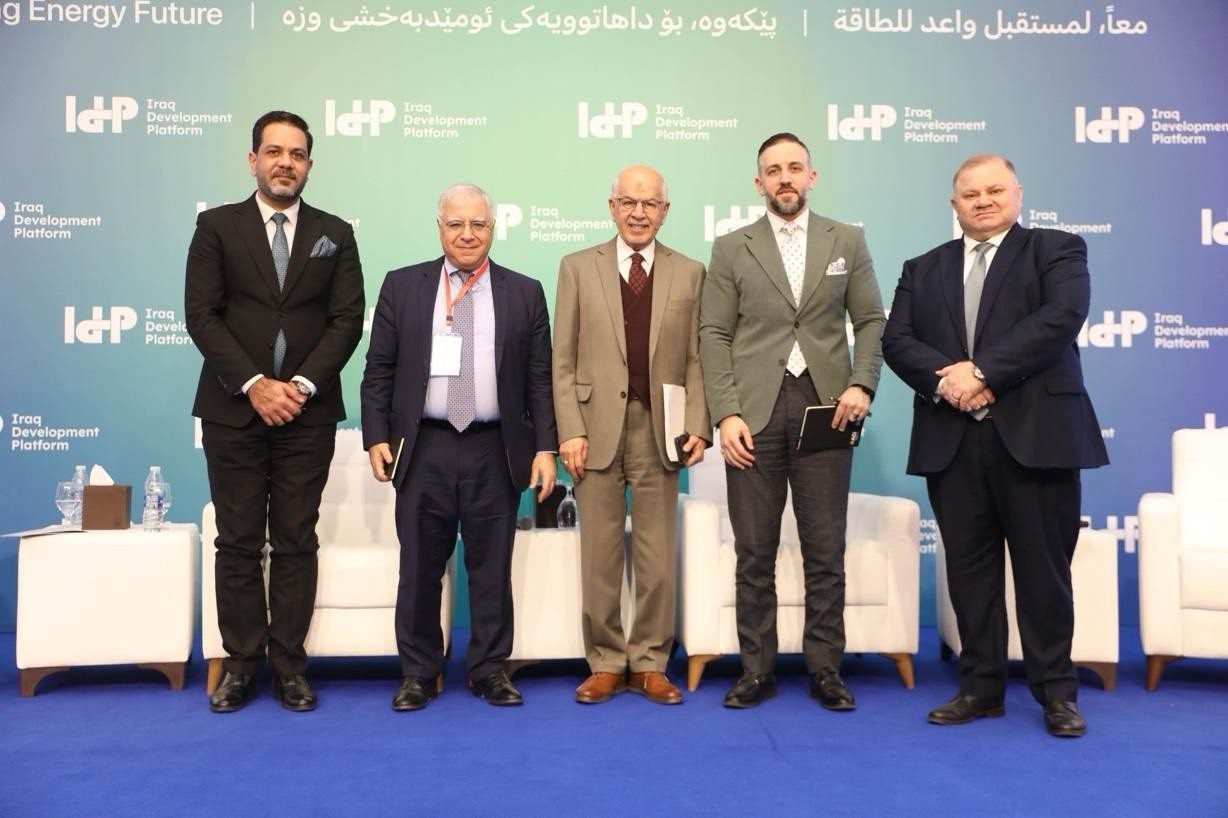
- Adnan Al-Jabri, Deputy Chairman, Parliamentary Electricity and Energy Committee
- Sabah Haidar, Member of the Iraqi Parliament
- Fazil Nabi, Former Deputy Minister of Finance, Republic of Iraq
- Saad Al-Saidi, Director of the Hammurabi Center for Studies, Moderator
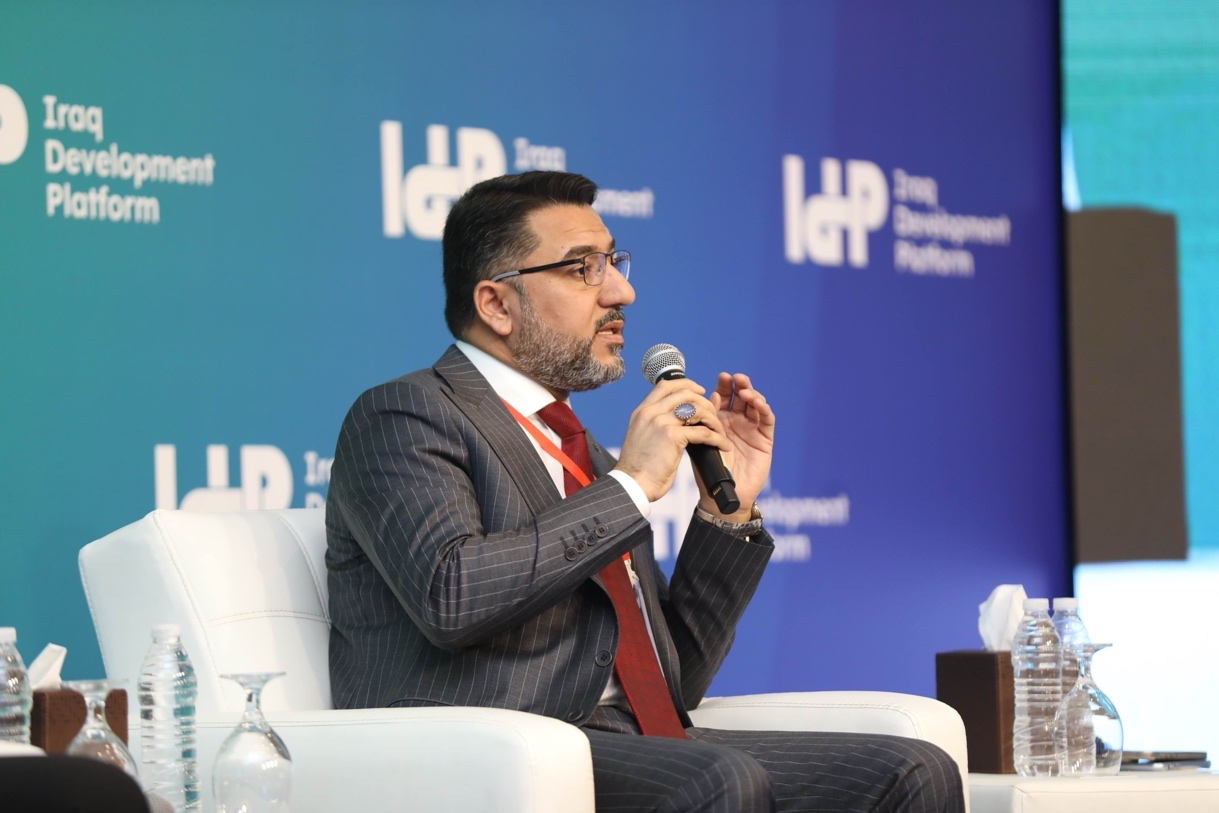 Al-Jabri warned that this obstruction undermines equitable distribution of oil revenues across all provinces and exacerbates tensions between the central government and the region. He explained that the deadlock over the Oil and Gas Law is also delaying the implementation of other constitutional provisions. This, he argued, stems in part from a lack of awareness among some policymakers and a desire to preserve the status quo.
He further noted internal disputes between oil-producing provinces and the central government, with some provinces opposing a cooperative approach that includes others in the management of oil resources. According to Al-Jabri, the federal government’s monopoly over oil and gas management contradicts the constitution and contributes to a growing rift with the region.
He criticised a tendency among some politicians to rely on informal political agreements instead of codified legal frameworks, valuing their flexibility despite the lack of transparency and fairness. Al-Jabri concluded by asserting that passing the Oil and Gas Law would enable greater provincial participation in shaping a national energy strategy, ensure fair resource distribution, and foster regional integration. However, he warned that the absence of genuine political will remains the main obstacle to legislative progress, leaving Iraq’s energy sector without the reforms needed for sustainable development.
Sabah Haidar, Member of Iraqi Parliament
Mr. Sabah Haidar, MP, reiterated the importance of the oil sector, which accounts for approximately 92% of Iraq’s economy. He stressed the need for clear, practical mechanisms to manage this vital resource effectively and emphasised building a partnership between Baghdad and Erbil based on mutual trust and good faith.
Al-Jabri warned that this obstruction undermines equitable distribution of oil revenues across all provinces and exacerbates tensions between the central government and the region. He explained that the deadlock over the Oil and Gas Law is also delaying the implementation of other constitutional provisions. This, he argued, stems in part from a lack of awareness among some policymakers and a desire to preserve the status quo.
He further noted internal disputes between oil-producing provinces and the central government, with some provinces opposing a cooperative approach that includes others in the management of oil resources. According to Al-Jabri, the federal government’s monopoly over oil and gas management contradicts the constitution and contributes to a growing rift with the region.
He criticised a tendency among some politicians to rely on informal political agreements instead of codified legal frameworks, valuing their flexibility despite the lack of transparency and fairness. Al-Jabri concluded by asserting that passing the Oil and Gas Law would enable greater provincial participation in shaping a national energy strategy, ensure fair resource distribution, and foster regional integration. However, he warned that the absence of genuine political will remains the main obstacle to legislative progress, leaving Iraq’s energy sector without the reforms needed for sustainable development.
Sabah Haidar, Member of Iraqi Parliament
Mr. Sabah Haidar, MP, reiterated the importance of the oil sector, which accounts for approximately 92% of Iraq’s economy. He stressed the need for clear, practical mechanisms to manage this vital resource effectively and emphasised building a partnership between Baghdad and Erbil based on mutual trust and good faith.
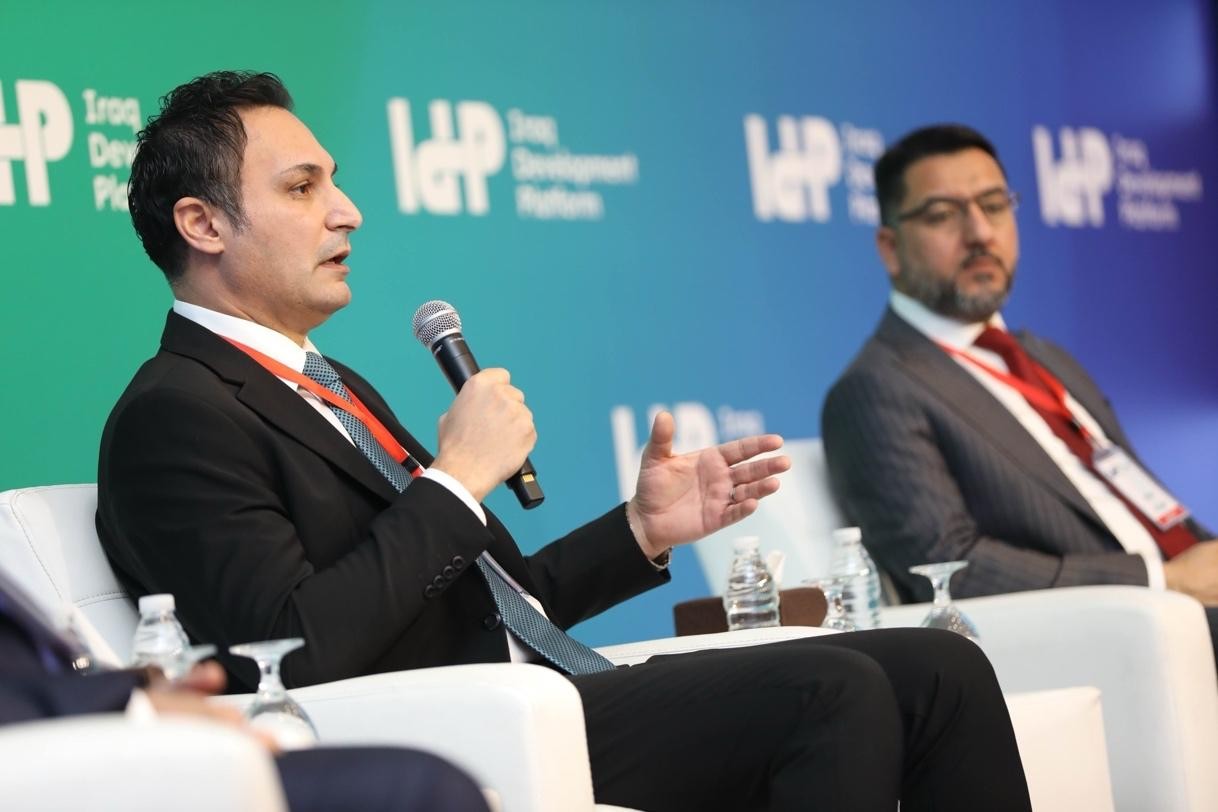 Haidar underscored the state’s responsibility to maximise returns from natural resources in service of the national economy. He called for an authentic and just partnership in oil management to ensure equitable development opportunities across Iraq.
He criticised the selective application of constitutional provisions, noting that political climates often determine which articles are enforced. This inconsistency, he argued, impedes institutional stability and economic reform. Haidar emphasised that a fair and cooperative relationship between the central government and the KRG is not only key to resolving disputes but also essential for securing economic stability, increasing sovereign revenues, supporting sustainable development, and improving public services.
Fazil Nabi, Former Deputy Minister of Finance, Republic of Iraq
Former Deputy Minister of Finance Mr. Fazil Nabi criticised the federal government’s financial policies, particularly the exclusion of the KRG from participating in their formulation, despite the significance of the oil dossier to the region. He pointed out that the KRG has no influence over Iraq’s oil export strategy, raising concerns about the fairness of resource management.
Haidar underscored the state’s responsibility to maximise returns from natural resources in service of the national economy. He called for an authentic and just partnership in oil management to ensure equitable development opportunities across Iraq.
He criticised the selective application of constitutional provisions, noting that political climates often determine which articles are enforced. This inconsistency, he argued, impedes institutional stability and economic reform. Haidar emphasised that a fair and cooperative relationship between the central government and the KRG is not only key to resolving disputes but also essential for securing economic stability, increasing sovereign revenues, supporting sustainable development, and improving public services.
Fazil Nabi, Former Deputy Minister of Finance, Republic of Iraq
Former Deputy Minister of Finance Mr. Fazil Nabi criticised the federal government’s financial policies, particularly the exclusion of the KRG from participating in their formulation, despite the significance of the oil dossier to the region. He pointed out that the KRG has no influence over Iraq’s oil export strategy, raising concerns about the fairness of resource management.
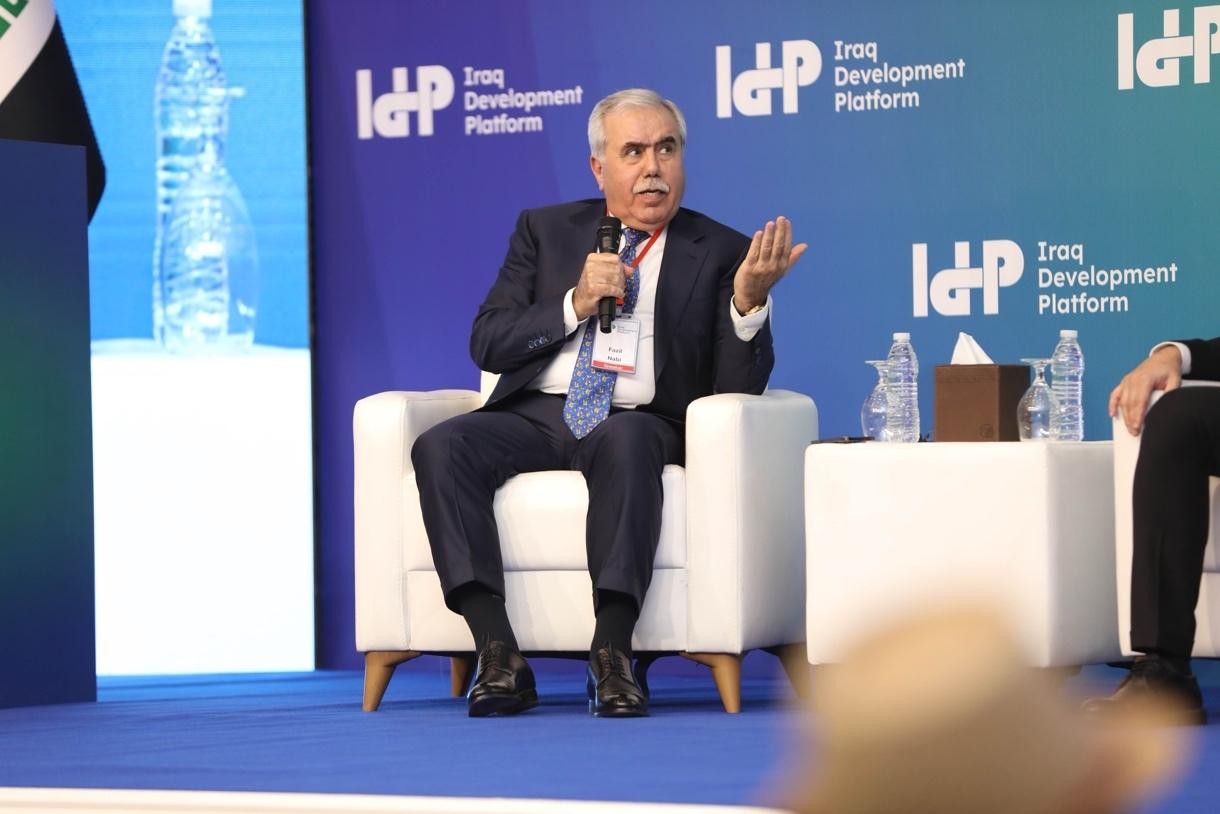 Nabi called for decoupling the issue of the KRG’s oil exports from that of salary payments to its employees. He emphasised that the KRG assumes full responsibility for extraction costs and contractual obligations with oil companies, while the federal government remains responsible for disbursing regional salaries and allocating investment funds.
He stressed that political disputes should not jeopardise citizens’ rights, particularly regarding salaries and economic security. Nabi advocated for separating political conflict from financial and social issues to ensure economic justice and maintain financial stability.
Nabi also criticised the politicisation of constitutional interpretation, accusing certain parties of manipulating legal provisions to serve factional agendas.
He warned that confrontational rhetoric by some parliamentarians exacerbates tensions and widens divisions between Baghdad and Erbil.
He concluded by urging a rational and responsible approach to addressing these challenges, one rooted in legal clarity and administrative fairness, rather than political rivalry. Such an approach, he argued, would help meet the needs of citizens and promote national cohesion.
Session Conclusion
The session highlighted the most pressing unresolved issues between the Federal Government and the Kurdistan Regional Government, particularly surrounding oil exports and employee salaries. The session concluded with a set of key recommendations, most notably the urgent need to enact the Oil and Gas Law as a foundational step toward clarifying the legal relationship between both parties. The session also emphasised the importance of building a genuine partnership based on cooperation and trust, especially within the oil sector, to facilitate national development, attract investment, and support a more robust and sustainable economy.
Nabi called for decoupling the issue of the KRG’s oil exports from that of salary payments to its employees. He emphasised that the KRG assumes full responsibility for extraction costs and contractual obligations with oil companies, while the federal government remains responsible for disbursing regional salaries and allocating investment funds.
He stressed that political disputes should not jeopardise citizens’ rights, particularly regarding salaries and economic security. Nabi advocated for separating political conflict from financial and social issues to ensure economic justice and maintain financial stability.
Nabi also criticised the politicisation of constitutional interpretation, accusing certain parties of manipulating legal provisions to serve factional agendas.
He warned that confrontational rhetoric by some parliamentarians exacerbates tensions and widens divisions between Baghdad and Erbil.
He concluded by urging a rational and responsible approach to addressing these challenges, one rooted in legal clarity and administrative fairness, rather than political rivalry. Such an approach, he argued, would help meet the needs of citizens and promote national cohesion.
Session Conclusion
The session highlighted the most pressing unresolved issues between the Federal Government and the Kurdistan Regional Government, particularly surrounding oil exports and employee salaries. The session concluded with a set of key recommendations, most notably the urgent need to enact the Oil and Gas Law as a foundational step toward clarifying the legal relationship between both parties. The session also emphasised the importance of building a genuine partnership based on cooperation and trust, especially within the oil sector, to facilitate national development, attract investment, and support a more robust and sustainable economy.
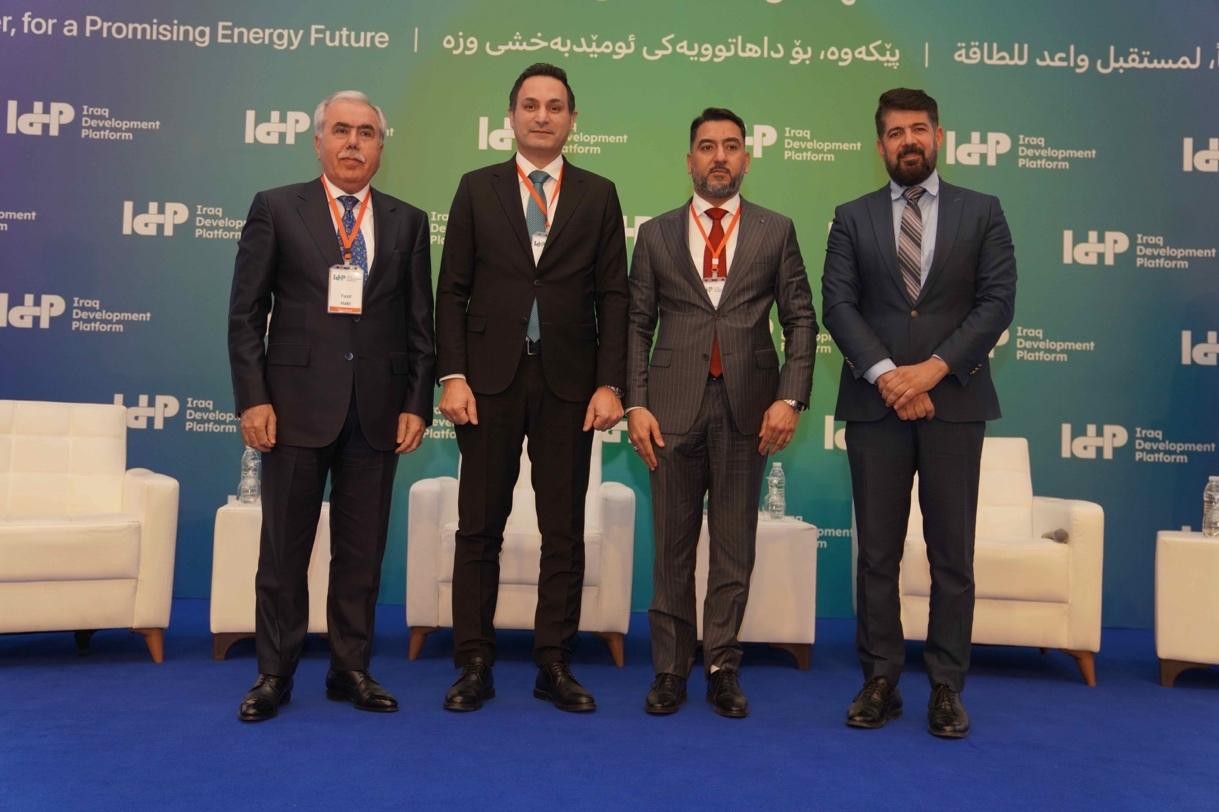
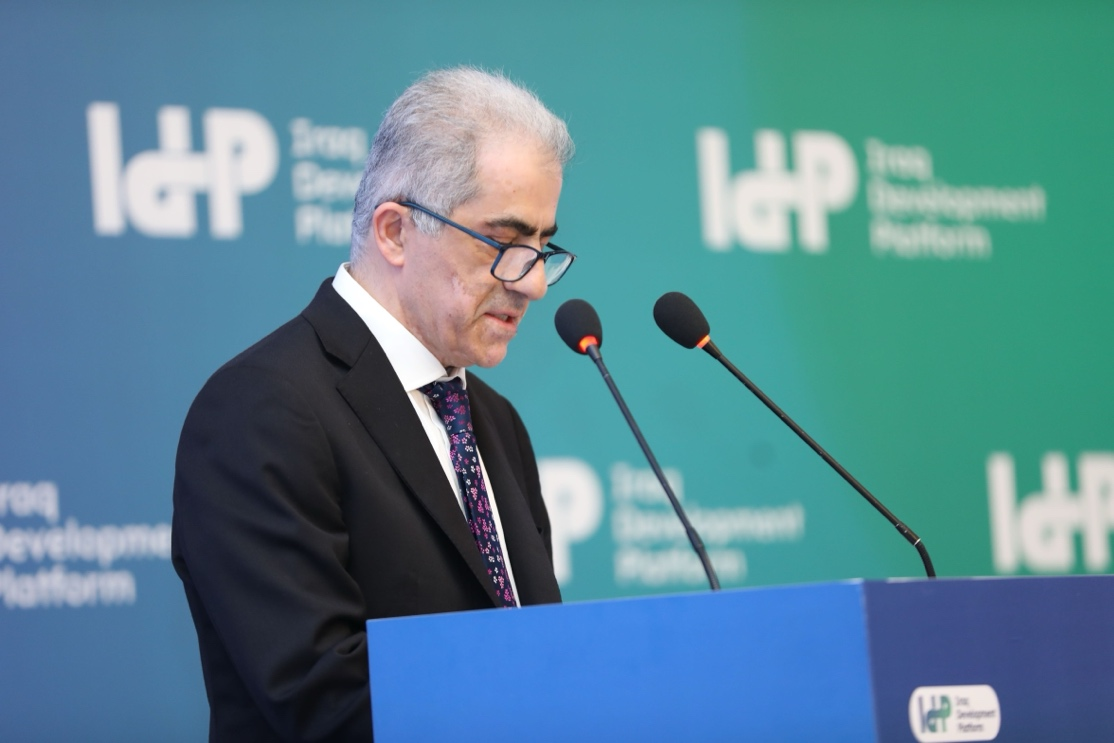 by the Iraq Development Platform.The Iraq Develpment Platform is dedicated to fostering constructive dialogue between local and international companies and between the public and private sectors.
The conference aimed to enhance collaboration between the government and private sector to advance investment in the energy sector, while also emphasising sustainable development and strengthening investment partnerships.
Key Outcomes and Recommendations:
by the Iraq Development Platform.The Iraq Develpment Platform is dedicated to fostering constructive dialogue between local and international companies and between the public and private sectors.
The conference aimed to enhance collaboration between the government and private sector to advance investment in the energy sector, while also emphasising sustainable development and strengthening investment partnerships.
Key Outcomes and Recommendations:
- Enhancing Gas Investment: Emphasise the importance of investing in associated gas from oil extraction to reduce dependence on traditional fuels, thereby improving environmental outcomes and resource efficiency.
- Transition to Renewable Energy: Develop strategic plans to increase reliance on renewable energy sources such as solar and wind to meet Iraq’s future energy needs.
- Encouraging Foreign Investment: Create a secure and attractive investment environment for international companies by improving infrastructure and simplifying bureaucratic procedures.
- Diversifying Economic Revenues: Work to diversify Iraq’s economy beyond its heavy reliance on oil by developing other sectors, including agriculture, industry, and tourism.
- Raising Environmental Awareness: Launch awareness campaigns to promote a culture of sustainability and environmental protection, with a focus on energy and water conservation.
- Oil and Gas Law Delay: The delay in enacting the Oil and Gas Law is due to complex political and technical issues that require consensus among all stakeholders. We hope joint efforts will be made to build political will and overcome these challenges, ensuring effective implementation of the constitution and safeguarding the national interest.
- Platinum Sponsor: South Kurdistan Company
- Gold Sponsors: TotalEnergies, BP, Shmara, and Crescent Petroleum
- Silver Sponsors: Taurus and Landvin
- Media Sponsors: Rudaw Media Network, Al Iraqiya News Channel